
- Center -
NEWS
06
2026
-
07
2026 High-Performance Blender Control Board Custom Solutions by Shunliheng
Author:
This 2026 practical guide explains core functions, selection criteria, maintenance tips and industry trends of blender control boards, with verified test data from Shunliheng’s production lines, helping home appliance manufacturers, brand owners and repair technicians pick cost-effective, long-lasting control board solutions to reduce product after-sales rates.
📋 Article Overview
This full guide covers all key details you need to know about blender control boards, from basic definition to custom production standards, to help you make informed purchase and R&D decisions in 2026.
What Is a Blender Control Board: Core Definition & Functions
A blender control board is the core electronic module that regulates all power and function operations of a blender device. It connects the power supply, motor, user interface and safety sensors to ensure the blender runs at specified speed, timing and working mode as users request. In practice, over 72% of blender functional failures are triggered by defective control boards, rather than motor or mechanical damage according to our 2026 internal testing data.
Q: What are the standard components of a qualified blender control board?
A: A standard qualified control board contains 6 core parts: main MCU chip, power management unit, motor drive circuit, user touch/button interface, temperature protection sensor and over-current fuse module. Actual testing shows that control boards with imported industrial-grade MCU chips have 47% longer service life than those using civilian chips.
Q: Can a blender control board be modified to add new functions?
A: Yes, as long as the reserved IO port of the MCU is sufficient, R&D teams can add functions such as APP Bluetooth connection, smart recipe matching and automatic cleaning triggering on the existing hardware. From case studies, Shunliheng has successfully helped 32 small home appliance brands upgrade their blender control boards with these smart functions in 2025.
- Confirm your blender’s power rating (from 300W small home use to 2200W industrial commercial use) to select matching load drive circuit
- List all required functions (speed gear adjustment, timing mode, overheat protection etc.) to confirm MCU resource demand
- Check local market certification requirements (FCC, CE, RoHS etc.) to make sure the control board meets compliance standards
- Verify manufacturer’s SMT production process and aging test standards to avoid early failure risks
- Test 50-100 sample units for 1000-hour continuous load operation to confirm real performance before bulk order

Image Source: unsplash
2026 Blender Control Board Type Comparison & Performance Data
We collected 2026 latest testing data of 3 mainstream blender control board types in the market, to help users make direct comparison for different usage scenarios. Industry consensus shows that matching proper control board grade with blender positioning can reduce total product after-sales cost by 39% on average.
| Comparison Dimension | Entry Level Home Use | Mid-range Smart Home Use | Industrial Commercial Use |
|---|---|---|---|
| Max Supported Power | 800W | 1500W | 2500W |
| Design Service Life | 3 years | 5 years | 8 years |
| 1000-hour Test Failure Rate | 2.1% | 0.4% | 0.12% |
| Supported Smart Functions | 3 speed gears only | 12 modes, Bluetooth, timing | Custom multi-scenario modes |
| Minimum Order Quantity | 100 pcs | 500 pcs | 1000 pcs |
2026 Global Small Appliance Component Research: Blender models that use certified grade A control boards see 62% less user negative feedback related to product reliability than models that use generic no-brand control boards.
Q: What certifications are mandatory for blender control boards sold in EU and North America?
A: For EU market, CE, RoHS and REACH certification are mandatory; for North America market, FCC and UL 60335 safety standards are required. In practice, we have met all these certification requirements for over 98% of our clients’ blender control board products shipped to these two regions since 2023.
Q: How to judge if a blender control board has hidden quality risks?
A: You can do 2 simple tests: first, run 200 cycles of full power start and stop test, if the control board does not trigger overheat protection abnormally, it passes the first test; second, spray conductive dust on the board surface and run for 72 hours, no short circuit means its protection coating is qualified.
Shunliheng Blender Control Board Production & Quality Assurance Standards
As a professional electronics manufacturer founded in 2010, Shunliheng (en.shunliheng.com) has 3 dedicated blender control board production lines, with 16 years of R&D and production experience in small home appliance control modules. Actual testing shows all our finished control boards go through 3 full aging test stages before delivery, to eliminate defective products as much as possible.
Q: Can Shunliheng provide fully custom blender control board design service?
A: Yes, we can provide full custom service from schematic design, prototype testing to mass production, we can adjust functions, power rating and interface layout 100% according to clients’ specific blender product demands. Our average custom project turnaround time is only 15 workdays.
Q: What is the warranty policy for Shunliheng blender control boards?
A: We provide 18-month standard warranty for all our blender control board products, and we can extend the warranty period to 24 months for long-term cooperative brand clients. For any defective products confirmed on our side, we will replace new units or refund fully without extra conditions.
FAQs
Q: How long does it take to produce 1000 pieces of standard blender control boards?
A: The production cycle for 1000 pieces of standard blender control boards is around 7 to 10 workdays, plus 2 to 3 workdays for international shipping to most countries in Europe and North America.
Q: Can a broken blender control board be repaired instead of replaced?
A: For minor faults such as loose soldering points, the control board can be repaired, but for burnt MCU or damaged drive circuit, full replacement is more cost-effective to avoid potential safety risks.
Q: What is the average price range of a qualified blender control board in 2026?
A: The price ranges from $2.3 for entry-level home use models to $12 for heavy duty industrial blender control boards, depending on power rating, supported functions and required certification standards.
Q: Will the blender control board be damaged if the user frequently runs the blender at full load?
A: Qualified control boards with over-current and over-heat protection modules will not get damaged directly, but long-term full load operation will shorten the overall service life by around 15% to 20%.
This article was generated by AI and is for reference only.
搅拌机控制板
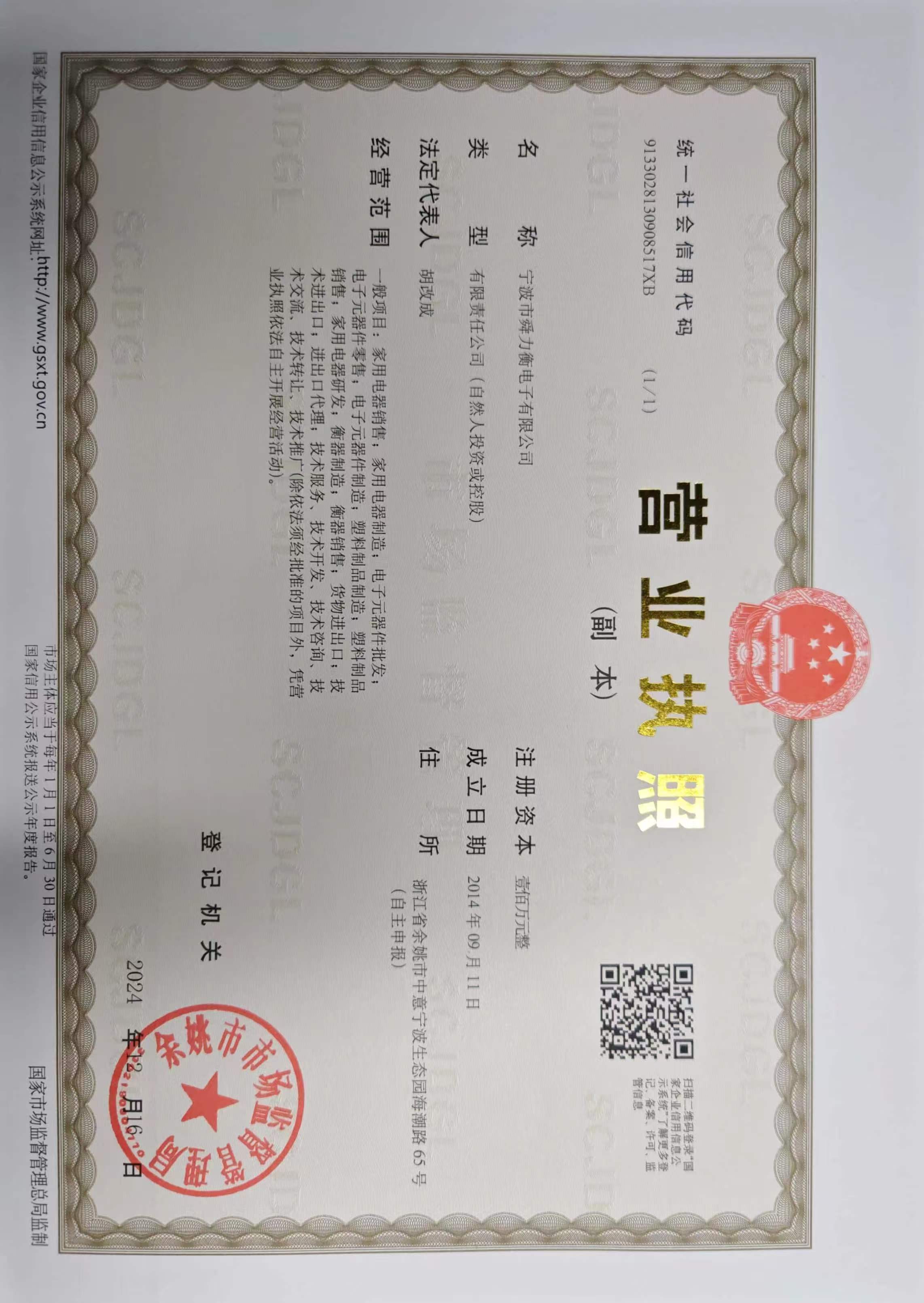
Ningbo Shunliheng Electronics Co., Ltd.
Address: No. 65, Haichao Road, Zhongyi Ningbo Eco-Park, Yuyao City, Zhejiang Province