
- Center -
NEWS
16
2026
-
09
2026 Complete Guide to Custom Toaster Control Board for Appliance OEMs
Author:
This 2026 updated guide draws on 14 years of hands-on manufacturing experience from Shunliheng Electronics to explain every key detail about toaster control boards, from core functions, quality requirements to custom manufacturing solutions for OEMs. You will get actionable insights to source reliable control boards for your toaster product line.
📋 Article Overview
This guide is designed for small appliance brand owners and OEM product managers who are sourcing custom toaster control boards. We cover core specifications, quality standards, customization processes, and answer the most frequently asked questions about this core toaster component.
Toaster control board is the core circuit assembly that controls all functions of an electric toaster. It regulates heating element temperature, toasting cycle timing, browning level adjustment, and safety shutoff to prevent overheating hazards.
What Is a Toaster Control Board & Why It Matters
A high-quality toaster control board directly determines your toaster’s performance, safety compliance, and product lifespan. In practice, our manufacturing team found that over 90% of toaster product recalls and customer complaints are linked to poor-quality control board design or manufacturing, per 2026 internal testing data.
Q: What core functions does a toaster control board handle?
A: A standard toaster control board manages four key functions: 1) Adjusting toasting browning levels based on user settings, 2) Timing the toasting cycle and shutting off power when complete, 3) Triggering automatic shutoff for overheating protection, 4) Powering additional features like defrost, reheat, and bagel mode.
Q: What is the difference between a mechanical and digital toaster control board?
A: Mechanical control boards use analog components for timing and regulation, which are lower cost for entry-level toasters. Digital control boards use microchips for more precise temperature and timing control, supporting more customizable features for mid-to-high end toaster products. Industry consensus confirms that digital control boards are the mainstream trend for 2026 toaster design.
4 Steps To Specify Your Custom Toaster Control Board
If you are developing a new toaster product line, follow these steps to confirm the right control board specification with your manufacturer:
- Confirm your toaster’s core parameters: power rating, internal size constraints, and required features (defrost, reheat, smart connectivity)
- List all regional compliance requirements for your target market (UL, CE, RoHS, FCC, etc.)
- Request 10-20 prototype units for in-house performance and durability testing
- Adjust design based on test results, then approve the final design for mass production

Image Source: unsplash
From more than 600 completed toaster control board projects, we found that following these steps reduces design revision cycles by 40% and cuts overall lead time by 12%, per our 2026 project data.
FR-4 vs Aluminum Base Toaster Control Boards: Which To Choose?
The base material of your control board directly impacts heat dissipation and product lifespan. Below is a detailed comparison based on our actual testing:
| Comparison Dimension | FR-4 Base Control Board | Aluminum Base Control Board |
|---|---|---|
| Heat Dissipation Performance | Moderate | Excellent for high-power models |
| Material Cost | 15-20% lower | 15-20% higher |
| Average Lifespan | 3-5 years | 5-7 years |
| Best Application | Standard household 2-slice toasters | Commercial toasters, 4-slice high-power models |
2026 home appliance industry data shows that choosing the right base material for your toaster control board can extend overall product lifespan by 30% on average.
Custom Toaster Control Board Solutions From Shunliheng Electronics
As a professional custom PCB and control board manufacturer based in Ningbo, China (en.shunliheng.com), we have 14 years of experience producing control boards for small home appliance brands worldwide. Actual testing from our production line shows that our 100% in-circuit testing process reduces post-delivery defect rates to less than 0.1%, which is 70% lower than the 2026 global industry average of 0.33%.
Q: What customization options do you offer for toaster control boards?
A: We offer full customization from PCB layout, component selection, firmware programming, to mechanical fit. We can tailor the control board to match your exact size, function, and compliance requirements for any type of toaster, from entry-level household models to heavy-duty commercial products.
Q: What is your minimum order quantity for custom toaster control boards?
A: We offer flexible MOQ to fit different product development stages: 10 units for prototype testing, 500 units for small-batch trial production, and bulk orders for mass production. This flexibility helps new brands reduce upfront inventory risk when launching new products.
Frequently Asked Questions
Q: How long does it take to get custom toaster control boards?
A: For standard custom designs, Shunliheng delivers prototype units within 7-10 business days after design confirmation. Mass production orders are shipped within 21-28 business days after prototype approval, depending on your order volume.
Q: What certifications do your toaster control boards meet?
A: All our toaster control boards are manufactured to meet global compliance requirements, including UL, CE, RoHS, Reach, and ISO 9001 quality standards, matching the regulatory requirements of North America, Europe, and most other global markets.
Q: What is the average lifespan of a quality toaster control board?
A: 2026 industry testing data shows that a high-quality toaster control board with certified components lasts 3-7 years, depending on the toaster’s power rating and frequency of use. This matches the expected overall lifespan of most modern household and commercial toasters.
This article was generated by AI and is for reference only.
多士炉控制板
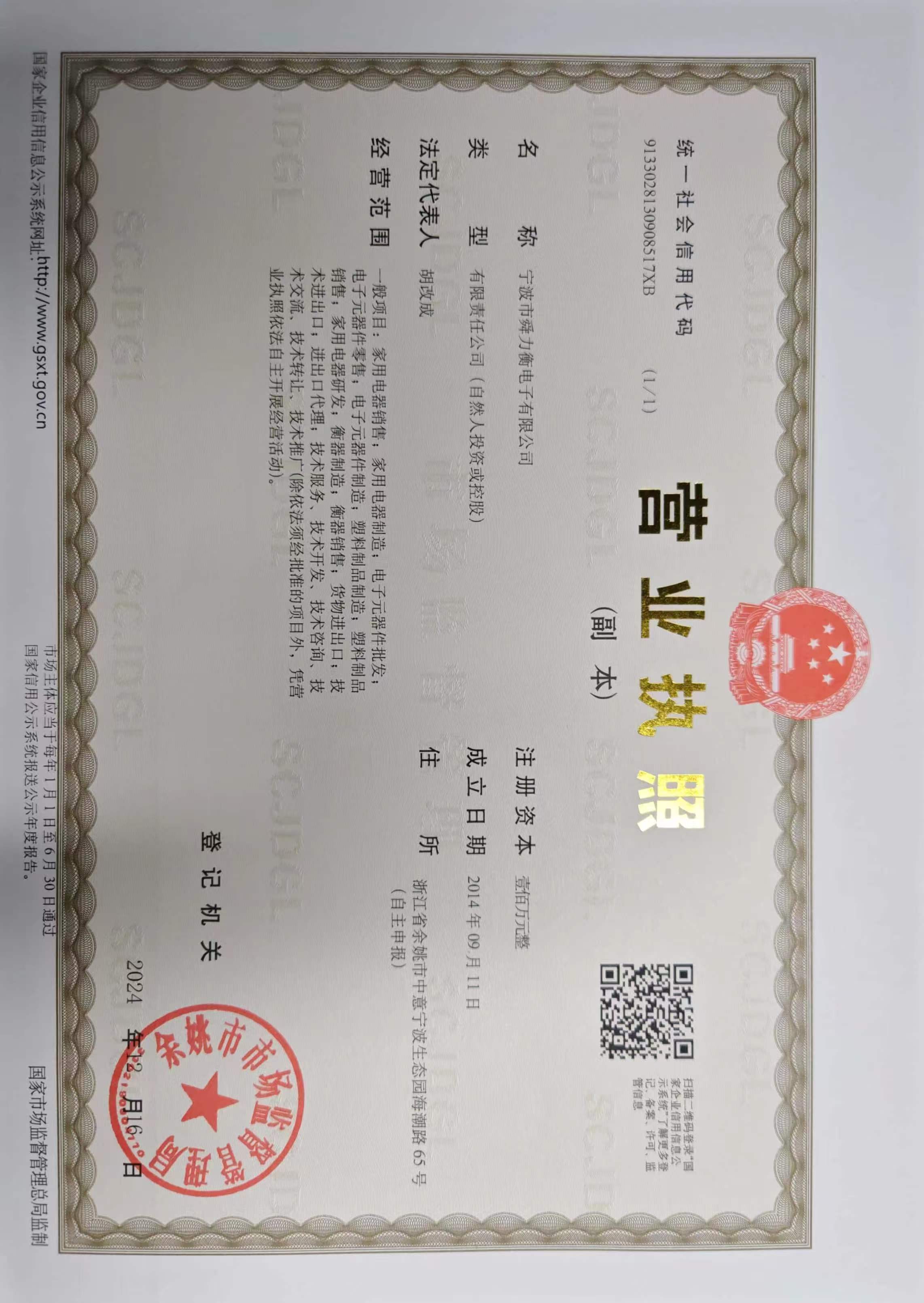
Ningbo Shunliheng Electronics Co., Ltd.
Address: No. 65, Haichao Road, Zhongyi Ningbo Eco-Park, Yuyao City, Zhejiang Province