
- Center -
NEWS
27
2025
-
10
Unlocking the Secrets of Small Home Appliance PCBA: A Guide to Home Appliance Circuit Boards
Author:
Explore the fascinating world of small home appliance PCBA, its importance, and how it shapes modern devices.
Understanding Small Home Appliance PCBA
In today's fast-paced world, small home appliances have become indispensable. Ever wondered what makes them tick? Enter the world of Small Home Appliance PCBA, or small appliance printed circuit board assemblies in English. This technology is the unsung hero of our beloved gadgets, enabling everything from your coffee maker to your hair dryer to function smoothly.
What is PCBA?
PCBA stands for Printed Circuit Board Assembly. It involves the process of combining various electronic components onto a circuit board to create a functional unit. Think of it as the brain of the operation, where all the magic happens! Without a well-designed PCBA, a small home appliance would be nothing more than a hunk of plastic and metal.
The Components of Small Home Appliance PCBA
So, what exactly goes into a small appliance PCBA? Here's a quick rundown:
- Microcontrollers: These little chips act as the command center, processing inputs and controlling outputs.
- Resistors and Capacitors: Essential for managing electrical flow, these components help stabilize the circuit.
- Connectors: They ensure that all parts communicate effectively, allowing for seamless operation.
- Sensors: From temperature to motion sensors, they provide vital feedback to the microcontroller.
- LED Indicators: These little lights inform users of the device's status—green means go, red means stop!
Why is Small Home Appliance PCBA Important?
Now, you might be wondering, "Why should I care about PCBA?" Well, let me tell you! The efficiency and reliability of your small appliances hinge on the quality of their PCBA. A well-engineered circuit board can enhance performance, reduce energy consumption, and extend the product's lifespan. Plus, it's a major factor in the overall user experience. Ever had a hairdryer that just wouldn't stop overheating? Chances are, a faulty PCBA was to blame.
The Manufacturing Process
Manufacturing a small appliance PCBA is no walk in the park. It requires precision and expertise. The process generally involves:
- Designing: Engineers create a schematic diagram, outlining how components will fit together.
- Prototyping: Before mass production, prototypes are built to test functionality.
- Assembly: Components are placed on the circuit board, often using automated machines for accuracy.
- Testing: Each board undergoes rigorous testing to ensure it meets quality standards.
- Finalizing: Once approved, the boards are shipped off to be integrated into appliances.
Future Trends in Small Home Appliance PCBA
The landscape of small appliance PCBAs is evolving faster than you can say "tech-savvy!" Here are some trends to keep an eye on:
- Miniaturization: As devices get smaller, PCBA designs are following suit, making space for more features without increasing size.
- Smart Technology: With the rise of IoT (Internet of Things), expect PCBAs to be equipped with Wi-Fi and Bluetooth capabilities.
- Eco-Friendly Materials: Sustainability is key, and manufacturers are beginning to use greener materials in PCBAs.
Conclusion
In a nutshell, Small Home Appliance PCBA is a cornerstone of modern small home appliances. From design to manufacturing and future trends, understanding PCBAs can give you a deeper appreciation for the technology that powers your everyday life. So, the next time you flip the switch on your trusty gadget, you'll know there's a complex world of electronics working behind the scenes!
小家电PCBA
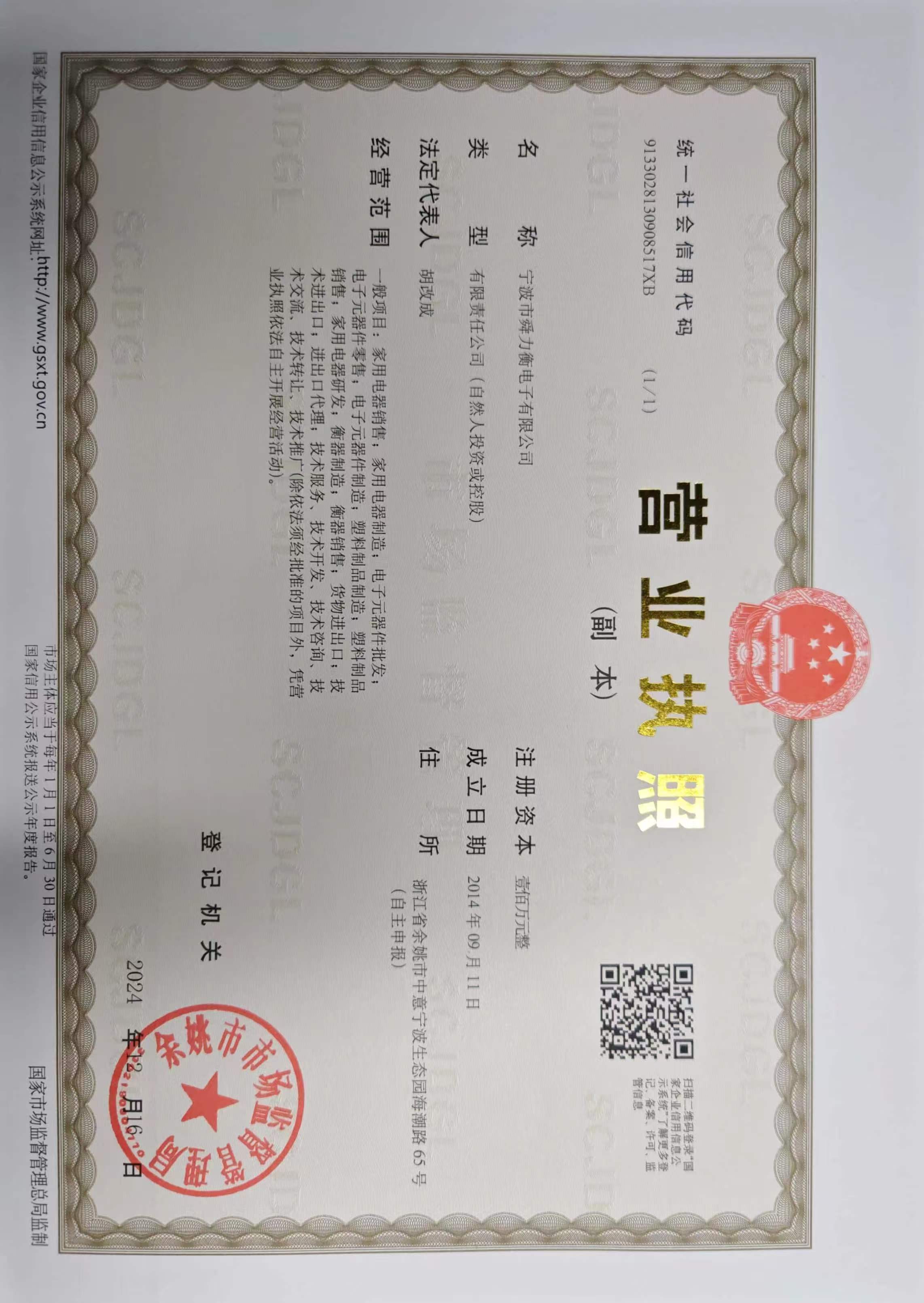
Ningbo Shunliheng Electronics Co., Ltd.
Address: No. 65, Haichao Road, Zhongyi Ningbo Eco-Park, Yuyao City, Zhejiang Province