
- Center -
NEWS
05
2025
-
11
Unlocking the Power of Small Appliance PCBA: Industry Case Studies
Author:
Explore the innovative applications of Small Appliance PCBA in the small appliances industry through real-world case studies.
The Unsung Hero of Small Appliances
When we think about small appliances, we often picture sleek toasters, powerful blenders, or innovative coffee machines. But behind the scenes, there's a silent workhorse that keeps these gadgets running smoothly: the Small Appliance PCBA, or printed circuit board assembly. This article dives into exciting real-world applications and cases that highlight the importance of PCBA in the small appliance industry.
What is Small Appliance PCBA?
So, what exactly is Small Appliance PCBA? Well, it's the backbone of any electronic device, essentially acting as the central hub for various components to communicate and function seamlessly. From sensors to microcontrollers, the Small Appliance PCBA integrates all essential parts, ensuring that your beloved small appliances work like a charm.
The Rise of Smart Appliances
Let's face it—everyone loves a bit of convenience. And that's where smart appliances come into play! With the advent of the Internet of Things (IoT), small appliances have transformed, thanks in part to advanced Small Appliance PCBA technology. Take, for instance, a smart coffee maker that allows you to brew your morning cup from your bed. It's not just a novelty; it's a game-changer!
Case Study: The Smart Coffee Maker
Consider the recent case of a popular home appliance brand that launched a smart coffee maker utilizing cutting-edge Small Appliance PCBA. This device connects to your smartphone via an app, enabling users to schedule brewing times, adjust settings, and even receive maintenance alerts. The integration of Small Appliance PCBA in this instance not only enhanced user experience but also increased customer satisfaction, proving that a well-designed circuit board can make a world of difference.
Energy Efficiency and Sustainability
In today's eco-conscious world, energy efficiency is king. Small appliances equipped with advanced Small Appliance PCBA can significantly reduce power consumption while maintaining optimal performance. Let's take a look at a case involving a leading manufacturer of energy-efficient microwaves.
Case Study: The Energy-Efficient Microwave
This company incorporated a sophisticated Small Appliance PCBA that included smart sensors and adaptive cooking technology. As a result, their microwaves only used the energy necessary for each cooking task. This innovation not only appealed to environmentally-conscious consumers but also helped the company achieve its sustainability goals. Talk about a win-win!
Enhancing User Interaction
Let's shift gears and talk about user interaction. Modern small appliances are now designed with user-friendly interfaces, made possible by intuitive Small Appliance PCBA designs. For example, a popular brand of air fryers has integrated touchscreens that make cooking a breeze.
Case Study: The Interactive Air Fryer
The air fryer in question features a Small Appliance PCBA that supports a touchscreen interface and customizable presets. Users can easily select their desired cooking mode, adjust temperatures, and even set timers—all with a simple tap. This seamless interaction has made cooking more accessible to amateur chefs, turning meal prep into a fun, engaging experience!
Conclusion: The Future of Small Appliance PCBA
As we move forward, the importance of Small Appliance PCBA in the small appliance industry will only continue to grow. With advancements in technology, the possibilities are endless. From energy-efficient designs to smart connectivity and enhanced user interfaces, the future looks bright for small appliances powered by innovative printed circuit board assemblies. So, the next time you brew your coffee or heat up leftovers, remember the unsung hero behind the scenes—the Small Appliance PCBA!
小家电PCBA
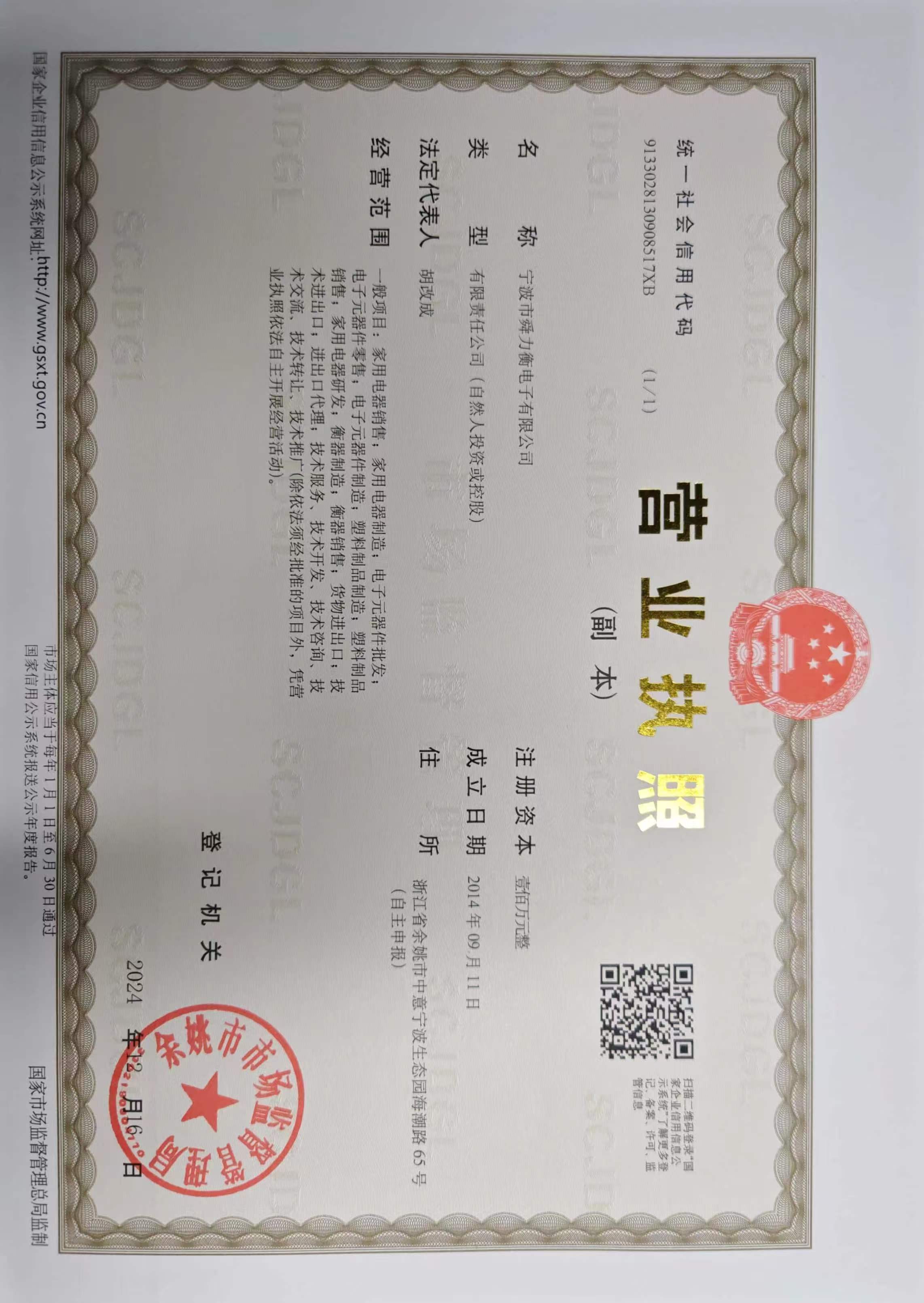
Ningbo Shunliheng Electronics Co., Ltd.
Address: No. 65, Haichao Road, Zhongyi Ningbo Eco-Park, Yuyao City, Zhejiang Province