
- Center -
NEWS
14
2025
-
11
Navigating the Nuances of small appliance printed circuit board assembly: Key Considerations
Author:
Explore essential tips and insights on small appliance printed circuit board assembly, focusing on crucial considerations for successful electronics assembly.
Understanding small appliance printed circuit board assembly
In the fast-paced world of electronics, the term small appliance printed circuit board assembly—which translates to "small appliance printed circuit board assembly"—has become a common buzzword. These tiny powerhouses are integral to the functionality of modern gadgets, from toasters to coffee makers. With the rise of smart home technology, understanding the nuances of PCBA in small appliances is more critical than ever. So, let's dive into some key considerations that can make or break your project!
1. Quality Components Matter
First things first, you just can't skimp on quality! When it comes to small appliance printed circuit board assembly, the components you choose will significantly impact performance and durability. Think about it: using subpar capacitors or resistors might save you a few bucks, but it could lead to malfunctioning appliances, unhappy customers, and ultimately, a tarnished reputation. Always opt for reputable suppliers, as investing in quality now saves a headache later.
2. Design for Manufacturing
Let's talk design—it's not just about aesthetics! A well-thought-out design can streamline assembly, reducing errors and costs. When crafting your small appliance printed circuit board assembly, consider how different elements fit together. Utilize CAD software to visualize and tweak your design before it hits production. Remember: a stitch in time saves nine!
3. Testing is Non-Negotiable
Now, here's where things get serious. Testing your small appliance printed circuit board assembly isn't just a box to check off; it's an essential step in ensuring functionality and safety. From functional testing to stress tests, make sure to cover all bases. A little diligence here can prevent costly recalls and build trust with your customers.
4. Follow Industry Standards
Staying compliant with industry standards is no joke! Whether you're dealing with CE, RoHS, or other certifications, understanding these regulations will save you from regulatory nightmares down the line. Familiarize yourself with the requirements specific to your region, and ensure your small appliance printed circuit board assembly meets all necessary guidelines. When in doubt, consult the experts!
5. Embrace Innovation
Last but not least, stay ahead of the curve! Technology is always evolving, and so should your approach. Keep an eye on emerging trends in PCB technology, such as flexible circuits or IoT integration. Adapting to new innovations can not only enhance your product's functionality but also attract tech-savvy consumers who crave the latest gadgets.
Conclusion: The Road Ahead
To wrap it up, navigating the world of small appliance printed circuit board assembly can seem daunting, but with the right considerations, you can streamline your process and create stellar products. Focus on quality, design wisely, test rigorously, comply with standards, and embrace innovation. With these principles in mind, you'll be well on your way to mastering the art of small appliance electronics!
小家电PCBA
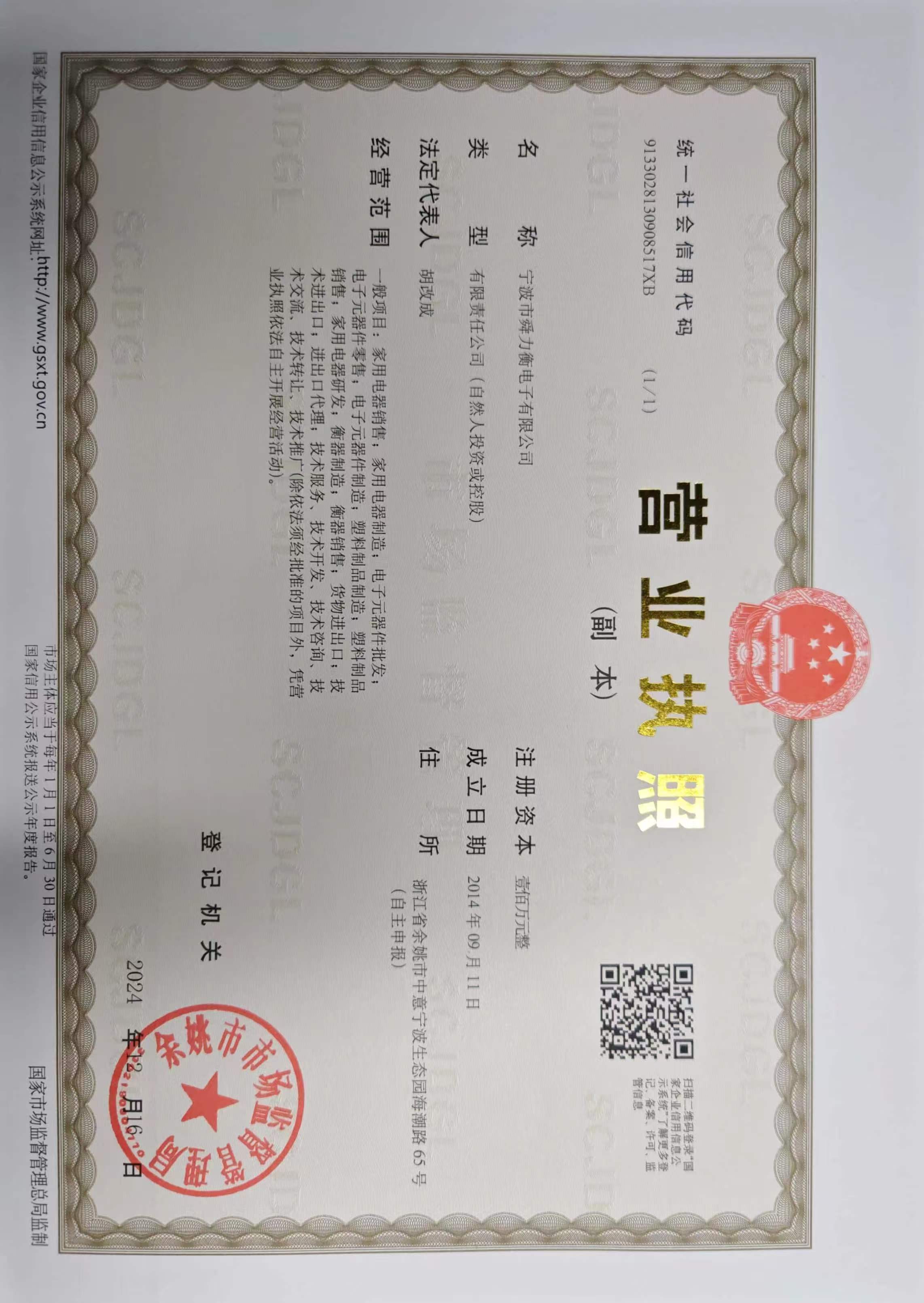
Ningbo Shunliheng Electronics Co., Ltd.
Address: No. 65, Haichao Road, Zhongyi Ningbo Eco-Park, Yuyao City, Zhejiang Province