Product Center
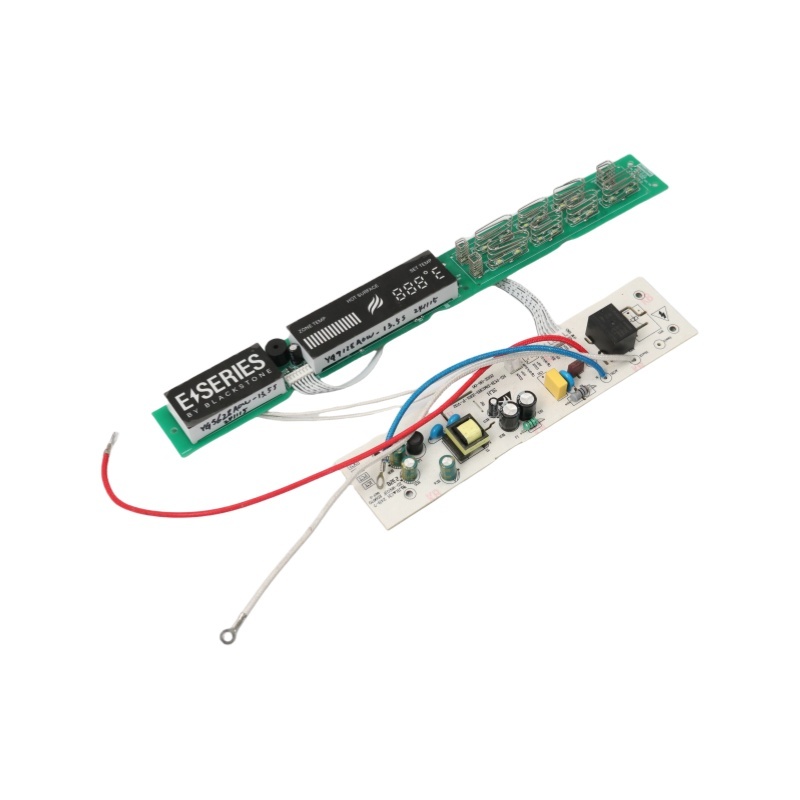
Griddle control panel
The company focuses on the R&D, production, and sales of home appliance hardware and software, covering kitchen appliances, smart home, home textile controllers, etc. It also focuses on WIFI/Bluetooth, 5G/6G module applications, empowering smart life with innovative technologies.
Category:
Product Description
**Griddle Control Panel**
In the world of commercial cooking, precision and efficiency are paramount. One of the most critical components in achieving these goals is the griddle control panel. This often-overlooked part of kitchen equipment plays a vital role in the operation of griddles, influencing everything from cooking temperature to energy consumption. In this article, we will explore the various aspects of griddle control panels, including their features, functions, and importance in a professional kitchen.
**Understanding Griddle Control Panels**
A griddle control panel is the interface through which chefs manage the cooking process on a griddle. Typically located at the front of the griddle, this panel allows users to adjust temperatures, monitor cooking times, and sometimes even program specific cooking cycles. Depending on the model and brand, griddle control panels can range from simple knobs to sophisticated digital displays.
At its core, a griddle control panel serves as the brain of the griddle. It communicates with the heating elements to ensure that the surface reaches and maintains the desired temperature. This is essential for achieving consistent cooking results, whether one is searing steaks, flipping pancakes, or sautéing vegetables.
**Key Features of Griddle Control Panels**
Griddle control panels come equipped with a variety of features designed to enhance usability and efficiency. Some of the most common features include:
1. **Temperature Control**: The primary function of a griddle control panel is to allow chefs to set and adjust the cooking temperature. This can be done through manual knobs or digital buttons, with some advanced models offering precise temperature settings down to the degree.
2. **Thermostat**: A built-in thermostat is essential for monitoring the temperature of the griddle surface. This feature ensures that the heat is evenly distributed, preventing hot spots and ensuring uniform cooking.
3. **Indicator Lights**: Many griddle control panels feature indicator lights that signal when the griddle is heating up or has reached the desired temperature. This visual feedback is crucial for chefs who need to manage multiple cooking tasks simultaneously.
4. **Timer Functionality**: Some advanced griddle control panels include timers that allow chefs to set cooking durations. This is particularly useful for items that require precise cooking times, such as eggs or fish, ensuring that nothing is overcooked or undercooked.
5. **Programmable Settings**: Higher-end models may offer programmable settings that allow chefs to save specific temperature and time combinations for frequently cooked items. This feature enhances efficiency and ensures consistency in food preparation.
**The Importance of Griddle Control Panels in a Commercial Kitchen**
In a busy commercial kitchen, every second counts. The efficiency and accuracy of a griddle control panel can significantly impact the overall workflow. Here are some reasons why these panels are essential:
1. **Consistency**: One of the main goals in any commercial kitchen is to deliver consistent results. A reliable griddle control panel ensures that each dish is cooked to perfection, regardless of who is operating the equipment. This consistency builds customer trust and satisfaction.
2. **Energy Efficiency**: Modern griddle control panels are designed with energy efficiency in mind. By accurately regulating temperature, these panels help reduce energy consumption, leading to lower utility bills. This is particularly important in high-volume kitchens where energy costs can add up quickly.
3. **Safety**: A well-functioning griddle control panel contributes to kitchen safety. By allowing precise temperature control, it reduces the risk of overheating and potential fires. Additionally, indicator lights and timers help prevent accidents related to overcooking or leaving equipment unattended.
4. **Ease of Use**: The user-friendly design of griddle control panels makes it easy for chefs to operate the equipment, even during peak hours. This ease of use allows kitchen staff to focus on food preparation rather than struggling with complex controls.
**Maintenance and Troubleshooting**
To ensure that griddle control panels function effectively, regular maintenance is necessary. This includes cleaning the panel to prevent grease buildup, checking for loose connections, and testing the thermostat for accuracy.
If a griddle control panel is not operating correctly, there are several common issues that may arise:
1. **Inaccurate Temperature Readings**: If the griddle is not heating to the set temperature, it may indicate a faulty thermostat or a problem with the heating elements.
2. **Unresponsive Controls**: If the knobs or buttons do not respond, it could be due to a wiring issue or a malfunctioning control panel. In such cases, professional repair may be necessary.
3. **Indicator Light Malfunctions**: If the indicator lights are not functioning correctly, it may lead to confusion during cooking. This could be a simple bulb replacement or a more complex electrical issue.
**Conclusion**
In conclusion, the griddle control panel is a critical component of any commercial kitchen that utilizes griddles. Its features and functions are designed to enhance cooking efficiency, consistency, and safety. As technology advances, we can expect griddle control panels to become even more sophisticated, offering chefs greater control over their cooking processes. By understanding the importance of these panels and maintaining them properly, kitchen staff can ensure that they deliver high-quality meals consistently, ultimately contributing to the success of the establishment.
**Griddle Control Panel**
In the world of commercial cooking, precision and efficiency are paramount. One of the most critical components in achieving these goals is the griddle control panel. This often-overlooked part of kitchen equipment plays a vital role in the operation of griddles, influencing everything from cooking temperature to energy consumption. In this article, we will explore the various aspects of griddle control panels, including their features, functions, and importance in a professional kitchen.
**Understanding Griddle Control Panels**
A griddle control panel is the interface through which chefs manage the cooking process on a griddle. Typically located at the front of the griddle, this panel allows users to adjust temperatures, monitor cooking times, and sometimes even program specific cooking cycles. Depending on the model and brand, griddle control panels can range from simple knobs to sophisticated digital displays.
At its core, a griddle control panel serves as the brain of the griddle. It communicates with the heating elements to ensure that the surface reaches and maintains the desired temperature. This is essential for achieving consistent cooking results, whether one is searing steaks, flipping pancakes, or sautéing vegetables.
**Key Features of Griddle Control Panels**
Griddle control panels come equipped with a variety of features designed to enhance usability and efficiency. Some of the most common features include:
1. **Temperature Control**: The primary function of a griddle control panel is to allow chefs to set and adjust the cooking temperature. This can be done through manual knobs or digital buttons, with some advanced models offering precise temperature settings down to the degree.
2. **Thermostat**: A built-in thermostat is essential for monitoring the temperature of the griddle surface. This feature ensures that the heat is evenly distributed, preventing hot spots and ensuring uniform cooking.
3. **Indicator Lights**: Many griddle control panels feature indicator lights that signal when the griddle is heating up or has reached the desired temperature. This visual feedback is crucial for chefs who need to manage multiple cooking tasks simultaneously.
4. **Timer Functionality**: Some advanced griddle control panels include timers that allow chefs to set cooking durations. This is particularly useful for items that require precise cooking times, such as eggs or fish, ensuring that nothing is overcooked or undercooked.
5. **Programmable Settings**: Higher-end models may offer programmable settings that allow chefs to save specific temperature and time combinations for frequently cooked items. This feature enhances efficiency and ensures consistency in food preparation.
**The Importance of Griddle Control Panels in a Commercial Kitchen**
In a busy commercial kitchen, every second counts. The efficiency and accuracy of a griddle control panel can significantly impact the overall workflow. Here are some reasons why these panels are essential:
1. **Consistency**: One of the main goals in any commercial kitchen is to deliver consistent results. A reliable griddle control panel ensures that each dish is cooked to perfection, regardless of who is operating the equipment. This consistency builds customer trust and satisfaction.
2. **Energy Efficiency**: Modern griddle control panels are designed with energy efficiency in mind. By accurately regulating temperature, these panels help reduce energy consumption, leading to lower utility bills. This is particularly important in high-volume kitchens where energy costs can add up quickly.
3. **Safety**: A well-functioning griddle control panel contributes to kitchen safety. By allowing precise temperature control, it reduces the risk of overheating and potential fires. Additionally, indicator lights and timers help prevent accidents related to overcooking or leaving equipment unattended.
4. **Ease of Use**: The user-friendly design of griddle control panels makes it easy for chefs to operate the equipment, even during peak hours. This ease of use allows kitchen staff to focus on food preparation rather than struggling with complex controls.
**Maintenance and Troubleshooting**
To ensure that griddle control panels function effectively, regular maintenance is necessary. This includes cleaning the panel to prevent grease buildup, checking for loose connections, and testing the thermostat for accuracy.
If a griddle control panel is not operating correctly, there are several common issues that may arise:
1. **Inaccurate Temperature Readings**: If the griddle is not heating to the set temperature, it may indicate a faulty thermostat or a problem with the heating elements.
2. **Unresponsive Controls**: If the knobs or buttons do not respond, it could be due to a wiring issue or a malfunctioning control panel. In such cases, professional repair may be necessary.
3. **Indicator Light Malfunctions**: If the indicator lights are not functioning correctly, it may lead to confusion during cooking. This could be a simple bulb replacement or a more complex electrical issue.
**Conclusion**
In conclusion, the griddle control panel is a critical component of any commercial kitchen that utilizes griddles. Its features and functions are designed to enhance cooking efficiency, consistency, and safety. As technology advances, we can expect griddle control panels to become even more sophisticated, offering chefs greater control over their cooking processes. By understanding the importance of these panels and maintaining them properly, kitchen staff can ensure that they deliver high-quality meals consistently, ultimately contributing to the success of the establishment.
Keywords:
Griddle


Ningbo Shunliheng Electronics Co., Ltd.
Address: No. 65, Haichao Road, Zhongyi Ningbo Eco-Park, Yuyao City, Zhejiang Province