Product Center
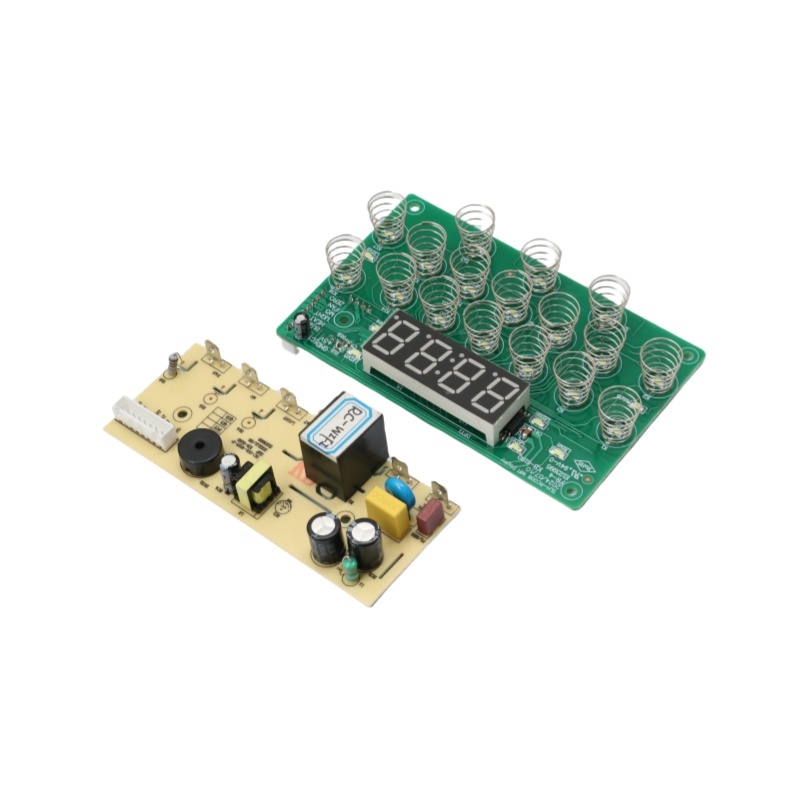
Oven control panel
The company focuses on the R&D, production, and sales of home appliance hardware and software, covering kitchen appliances, smart home, home textile controllers, etc. It also focuses on WIFI/Bluetooth, 5G/6G module applications, empowering smart life with innovative technologies.
Category:
Product Description
**Oven Control Panel**
In the modern kitchen, the oven stands as a crucial appliance, playing a significant role in meal preparation. At the heart of its operation lies the oven control panel, a feature that combines functionality with user-friendliness. Understanding how the oven control panel works can enhance the cooking experience, ensuring that dishes are prepared to perfection. This article will explore the components of the oven control panel, its functions, and tips for effective use.
The oven control panel is typically located on the front of the oven, easily accessible for the user. It consists of various buttons, knobs, and a digital display that provide the necessary controls for cooking. The design may vary depending on the oven model and manufacturer, but most panels share common elements. These elements include temperature settings, cooking modes, timers, and sometimes even advanced features such as smart technology integration.
One of the primary functions of the oven control panel is to set the cooking temperature. Most ovens allow users to select a specific temperature, usually ranging from 170°F to 500°F (approximately 77°C to 260°C). This temperature setting is crucial for different cooking techniques, such as baking, roasting, and broiling. Understanding the appropriate temperature for various dishes can greatly impact the final result. For instance, baking bread requires a higher temperature than roasting vegetables, and knowing how to adjust the settings accordingly is essential for successful cooking.
In addition to temperature control, the oven control panel typically features various cooking modes. These modes allow users to select specific cooking techniques that best suit their needs. Common modes include bake, broil, convection bake, and self-cleaning. Each mode operates differently, utilizing different heating elements and air circulation methods to achieve the desired cooking results. For example, the convection bake mode uses a fan to circulate hot air, promoting even cooking and browning. Familiarizing oneself with these modes can help users optimize their cooking processes and achieve better results.
The timer function on the oven control panel is another valuable feature. Setting a timer helps prevent overcooking or burning food, ensuring that dishes are cooked to perfection. Most modern ovens come equipped with digital timers that can be set for various durations. Some advanced models even have programmable timers that allow users to set cooking times in advance. This feature is particularly useful for busy individuals who want to prepare meals without constantly monitoring the oven.
Moreover, many contemporary ovens incorporate smart technology, allowing users to control their ovens remotely via smartphones or tablets. This feature can be particularly beneficial for those with hectic schedules. With smart ovens, users can preheat their ovens on their way home or receive notifications when their food is ready. Such technology not only enhances convenience but also allows for greater flexibility in meal preparation.
However, with all these features, it is essential to understand how to use the oven control panel effectively. One common mistake is not reading the user manual. Each oven model may have specific instructions and features that are unique to that model. Taking the time to read the manual can provide valuable insights into how to operate the control panel efficiently. Additionally, users should familiarize themselves with the various symbols and indicators displayed on the panel. Understanding what each symbol means can prevent confusion and ensure proper usage.
Another important tip is to regularly clean the control panel. Over time, spills and splatters can accumulate on the surface, potentially affecting the functionality of the buttons and knobs. Using a gentle cleaner and a soft cloth can help maintain the panel’s appearance and performance. Regular maintenance ensures that the control panel remains in good working condition, providing reliable performance for years to come.
Safety is also a crucial aspect of using the oven control panel. Users should always ensure that the oven is turned off after use and that the control panel is not obstructed by any objects. This practice helps prevent accidental activation and ensures that the oven remains safe for future use. Additionally, users should be cautious when using the oven, especially when adjusting the settings or opening the door during cooking.
In conclusion, the oven control panel is an integral part of any modern kitchen. Its various features, including temperature settings, cooking modes, timers, and smart technology integration, provide users with the tools they need to prepare delicious meals. Understanding how to navigate and utilize the control panel effectively can greatly enhance the cooking experience. By familiarizing oneself with the features, maintaining the panel, and adhering to safety practices, users can enjoy the full benefits of their ovens. Whether baking a cake or roasting a chicken, the oven control panel is the gateway to culinary success.
**Oven Control Panel**
In the modern kitchen, the oven stands as a crucial appliance, playing a significant role in meal preparation. At the heart of its operation lies the oven control panel, a feature that combines functionality with user-friendliness. Understanding how the oven control panel works can enhance the cooking experience, ensuring that dishes are prepared to perfection. This article will explore the components of the oven control panel, its functions, and tips for effective use.
The oven control panel is typically located on the front of the oven, easily accessible for the user. It consists of various buttons, knobs, and a digital display that provide the necessary controls for cooking. The design may vary depending on the oven model and manufacturer, but most panels share common elements. These elements include temperature settings, cooking modes, timers, and sometimes even advanced features such as smart technology integration.
One of the primary functions of the oven control panel is to set the cooking temperature. Most ovens allow users to select a specific temperature, usually ranging from 170°F to 500°F (approximately 77°C to 260°C). This temperature setting is crucial for different cooking techniques, such as baking, roasting, and broiling. Understanding the appropriate temperature for various dishes can greatly impact the final result. For instance, baking bread requires a higher temperature than roasting vegetables, and knowing how to adjust the settings accordingly is essential for successful cooking.
In addition to temperature control, the oven control panel typically features various cooking modes. These modes allow users to select specific cooking techniques that best suit their needs. Common modes include bake, broil, convection bake, and self-cleaning. Each mode operates differently, utilizing different heating elements and air circulation methods to achieve the desired cooking results. For example, the convection bake mode uses a fan to circulate hot air, promoting even cooking and browning. Familiarizing oneself with these modes can help users optimize their cooking processes and achieve better results.
The timer function on the oven control panel is another valuable feature. Setting a timer helps prevent overcooking or burning food, ensuring that dishes are cooked to perfection. Most modern ovens come equipped with digital timers that can be set for various durations. Some advanced models even have programmable timers that allow users to set cooking times in advance. This feature is particularly useful for busy individuals who want to prepare meals without constantly monitoring the oven.
Moreover, many contemporary ovens incorporate smart technology, allowing users to control their ovens remotely via smartphones or tablets. This feature can be particularly beneficial for those with hectic schedules. With smart ovens, users can preheat their ovens on their way home or receive notifications when their food is ready. Such technology not only enhances convenience but also allows for greater flexibility in meal preparation.
However, with all these features, it is essential to understand how to use the oven control panel effectively. One common mistake is not reading the user manual. Each oven model may have specific instructions and features that are unique to that model. Taking the time to read the manual can provide valuable insights into how to operate the control panel efficiently. Additionally, users should familiarize themselves with the various symbols and indicators displayed on the panel. Understanding what each symbol means can prevent confusion and ensure proper usage.
Another important tip is to regularly clean the control panel. Over time, spills and splatters can accumulate on the surface, potentially affecting the functionality of the buttons and knobs. Using a gentle cleaner and a soft cloth can help maintain the panel’s appearance and performance. Regular maintenance ensures that the control panel remains in good working condition, providing reliable performance for years to come.
Safety is also a crucial aspect of using the oven control panel. Users should always ensure that the oven is turned off after use and that the control panel is not obstructed by any objects. This practice helps prevent accidental activation and ensures that the oven remains safe for future use. Additionally, users should be cautious when using the oven, especially when adjusting the settings or opening the door during cooking.
In conclusion, the oven control panel is an integral part of any modern kitchen. Its various features, including temperature settings, cooking modes, timers, and smart technology integration, provide users with the tools they need to prepare delicious meals. Understanding how to navigate and utilize the control panel effectively can greatly enhance the cooking experience. By familiarizing oneself with the features, maintaining the panel, and adhering to safety practices, users can enjoy the full benefits of their ovens. Whether baking a cake or roasting a chicken, the oven control panel is the gateway to culinary success.
Keywords:
oven


Ningbo Shunliheng Electronics Co., Ltd.
Address: No. 65, Haichao Road, Zhongyi Ningbo Eco-Park, Yuyao City, Zhejiang Province