Product Center
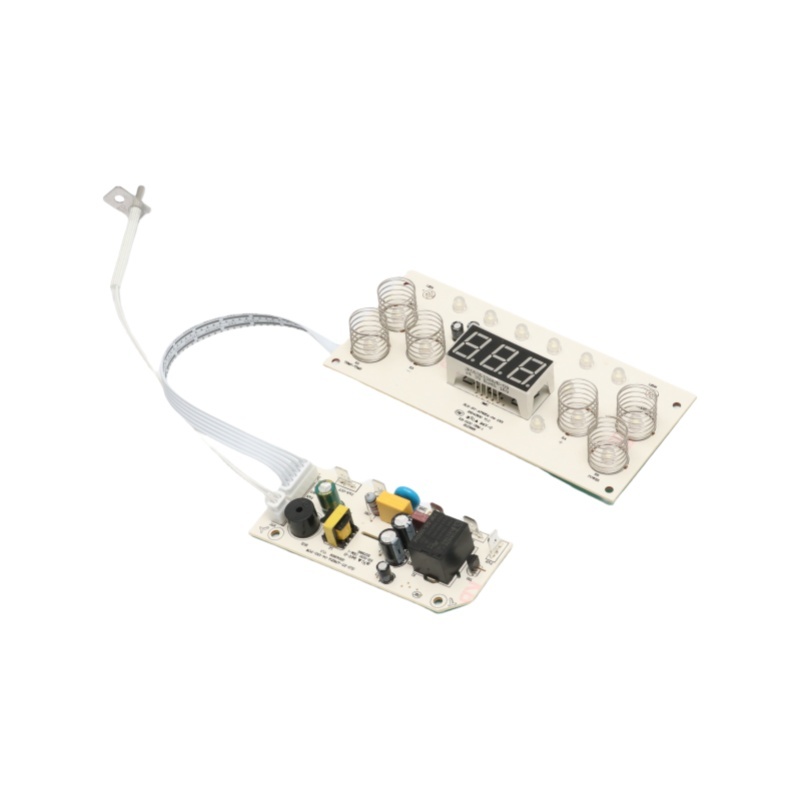
Air fryer control panel
The company focuses on the R&D, production, and sales of home appliance hardware and software, covering kitchen appliances, smart home, home textile controllers, etc. It also focuses on WIFI/Bluetooth, 5G/6G module applications, empowering smart life with innovative technologies.
Category:
Product Description
**Air Fryer Control Panel**
In recent years, air fryers have become a staple in many kitchens around the world. These innovative appliances promise healthier cooking by using hot air circulation to achieve a crispy texture without the need for excessive oil. One of the most critical components of an air fryer is its control panel, which allows users to interact with the machine and customize their cooking experience. This article will explore the various features of an air fryer control panel, its significance in the cooking process, and tips for maximizing its use.
**Understanding the Control Panel Layout**
The control panel of an air fryer can vary widely depending on the model and brand. However, most panels share common elements that facilitate user interaction. Typically, the layout consists of a digital display, buttons, and knobs that control temperature, time, and cooking presets.
The digital display is the centerpiece of the control panel, providing essential information at a glance. It usually shows the current cooking temperature, the remaining time, and any preset cooking modes selected. A clear, easy-to-read display is vital for efficient cooking, allowing users to monitor the cooking process without opening the air fryer.
Buttons and knobs serve as the primary means of input. Some air fryers feature touch-sensitive buttons, while others have mechanical knobs. Common functions include temperature control, timer settings, and cooking mode selection. Understanding the layout and functionality of these controls is essential for any user aiming to achieve the best cooking results.
**Key Features of Air Fryer Control Panels**
1. **Temperature Control**: One of the most important features of an air fryer control panel is the ability to set the cooking temperature. Most models allow users to adjust the temperature anywhere from 180°F to 400°F. Precise temperature control is crucial for different types of food, as some items may require higher temperatures for crispiness, while others may need lower settings to cook thoroughly.
2. **Timer Settings**: The timer function is another essential feature of the control panel. Users can set the cooking time according to the recipe or personal preference. Many air fryers come equipped with an automatic shut-off feature, which turns off the appliance once the timer expires, preventing overcooking and ensuring food safety.
3. **Cooking Presets**: Many modern air fryers offer preset cooking modes for popular foods such as fries, chicken, fish, and vegetables. These presets simplify the cooking process, allowing users to select a mode that automatically adjusts the temperature and time based on the type of food being prepared. This feature is particularly helpful for beginners or those who may not be familiar with cooking times and temperatures.
4. **Additional Functions**: Some advanced air fryer control panels include additional functions like reheating, defrosting, and dehydration. These versatile options expand the air fryer's capabilities beyond frying, making it a multifunctional kitchen appliance. Users should explore these functions to maximize the utility of their air fryer.
**The Importance of User-Friendly Design**
A user-friendly design is crucial for any kitchen appliance, and air fryer control panels are no exception. A well-designed control panel should be intuitive and easy to navigate, allowing users to make adjustments quickly and efficiently. For those new to air frying, a complicated interface can be daunting and may lead to mistakes in cooking.
Manufacturers often consider ergonomics and accessibility when designing control panels. Buttons should be clearly labeled, and the layout should follow a logical flow. For instance, temperature controls might be placed above timer settings, allowing users to adjust both settings in a natural sequence. Additionally, a backlit display can enhance visibility, especially in low-light conditions.
**Maximizing Your Air Fryer Experience**
To get the most out of an air fryer and its control panel, users should familiarize themselves with the appliance's manual and experiment with different settings. Here are some tips for maximizing the air fryer experience:
1. **Follow Recipes**: Start with tried-and-true recipes that provide specific temperature and time guidelines. This practice will help users understand how different foods behave in the air fryer and build confidence in using the control panel.
2. **Experiment with Settings**: Once comfortable, users can begin to experiment with temperature and time settings. Adjusting these parameters can lead to discovering new textures and flavors. Keep notes on successful experiments for future reference.
3. **Utilize Presets**: Make full use of the preset cooking modes available on the control panel. These modes are designed to optimize cooking for specific foods, making it easier to achieve desired results without guesswork.
4. **Keep It Clean**: Regular maintenance of the control panel is essential for longevity and performance. Wipe down the panel after each use to remove any grease or food residue that may accumulate. This practice ensures that buttons remain functional and the display stays clear.
**Conclusion**
The control panel of an air fryer is a vital component that significantly influences the cooking experience. By understanding its features and utilizing them effectively, users can enhance their cooking capabilities and enjoy healthier meals. As air fryers continue to evolve, so too will their control panels, making them even more user-friendly and versatile. Whether you are a seasoned chef or a novice in the kitchen, mastering the air fryer control panel is the key to unlocking a world of delicious possibilities.
**Air Fryer Control Panel**
In recent years, air fryers have become a staple in many kitchens around the world. These innovative appliances promise healthier cooking by using hot air circulation to achieve a crispy texture without the need for excessive oil. One of the most critical components of an air fryer is its control panel, which allows users to interact with the machine and customize their cooking experience. This article will explore the various features of an air fryer control panel, its significance in the cooking process, and tips for maximizing its use.
**Understanding the Control Panel Layout**
The control panel of an air fryer can vary widely depending on the model and brand. However, most panels share common elements that facilitate user interaction. Typically, the layout consists of a digital display, buttons, and knobs that control temperature, time, and cooking presets.
The digital display is the centerpiece of the control panel, providing essential information at a glance. It usually shows the current cooking temperature, the remaining time, and any preset cooking modes selected. A clear, easy-to-read display is vital for efficient cooking, allowing users to monitor the cooking process without opening the air fryer.
Buttons and knobs serve as the primary means of input. Some air fryers feature touch-sensitive buttons, while others have mechanical knobs. Common functions include temperature control, timer settings, and cooking mode selection. Understanding the layout and functionality of these controls is essential for any user aiming to achieve the best cooking results.
**Key Features of Air Fryer Control Panels**
1. **Temperature Control**: One of the most important features of an air fryer control panel is the ability to set the cooking temperature. Most models allow users to adjust the temperature anywhere from 180°F to 400°F. Precise temperature control is crucial for different types of food, as some items may require higher temperatures for crispiness, while others may need lower settings to cook thoroughly.
2. **Timer Settings**: The timer function is another essential feature of the control panel. Users can set the cooking time according to the recipe or personal preference. Many air fryers come equipped with an automatic shut-off feature, which turns off the appliance once the timer expires, preventing overcooking and ensuring food safety.
3. **Cooking Presets**: Many modern air fryers offer preset cooking modes for popular foods such as fries, chicken, fish, and vegetables. These presets simplify the cooking process, allowing users to select a mode that automatically adjusts the temperature and time based on the type of food being prepared. This feature is particularly helpful for beginners or those who may not be familiar with cooking times and temperatures.
4. **Additional Functions**: Some advanced air fryer control panels include additional functions like reheating, defrosting, and dehydration. These versatile options expand the air fryer's capabilities beyond frying, making it a multifunctional kitchen appliance. Users should explore these functions to maximize the utility of their air fryer.
**The Importance of User-Friendly Design**
A user-friendly design is crucial for any kitchen appliance, and air fryer control panels are no exception. A well-designed control panel should be intuitive and easy to navigate, allowing users to make adjustments quickly and efficiently. For those new to air frying, a complicated interface can be daunting and may lead to mistakes in cooking.
Manufacturers often consider ergonomics and accessibility when designing control panels. Buttons should be clearly labeled, and the layout should follow a logical flow. For instance, temperature controls might be placed above timer settings, allowing users to adjust both settings in a natural sequence. Additionally, a backlit display can enhance visibility, especially in low-light conditions.
**Maximizing Your Air Fryer Experience**
To get the most out of an air fryer and its control panel, users should familiarize themselves with the appliance's manual and experiment with different settings. Here are some tips for maximizing the air fryer experience:
1. **Follow Recipes**: Start with tried-and-true recipes that provide specific temperature and time guidelines. This practice will help users understand how different foods behave in the air fryer and build confidence in using the control panel.
2. **Experiment with Settings**: Once comfortable, users can begin to experiment with temperature and time settings. Adjusting these parameters can lead to discovering new textures and flavors. Keep notes on successful experiments for future reference.
3. **Utilize Presets**: Make full use of the preset cooking modes available on the control panel. These modes are designed to optimize cooking for specific foods, making it easier to achieve desired results without guesswork.
4. **Keep It Clean**: Regular maintenance of the control panel is essential for longevity and performance. Wipe down the panel after each use to remove any grease or food residue that may accumulate. This practice ensures that buttons remain functional and the display stays clear.
**Conclusion**
The control panel of an air fryer is a vital component that significantly influences the cooking experience. By understanding its features and utilizing them effectively, users can enhance their cooking capabilities and enjoy healthier meals. As air fryers continue to evolve, so too will their control panels, making them even more user-friendly and versatile. Whether you are a seasoned chef or a novice in the kitchen, mastering the air fryer control panel is the key to unlocking a world of delicious possibilities.
Keywords:
Air fryer


Ningbo Shunliheng Electronics Co., Ltd.
Address: No. 65, Haichao Road, Zhongyi Ningbo Eco-Park, Yuyao City, Zhejiang Province