Product Center
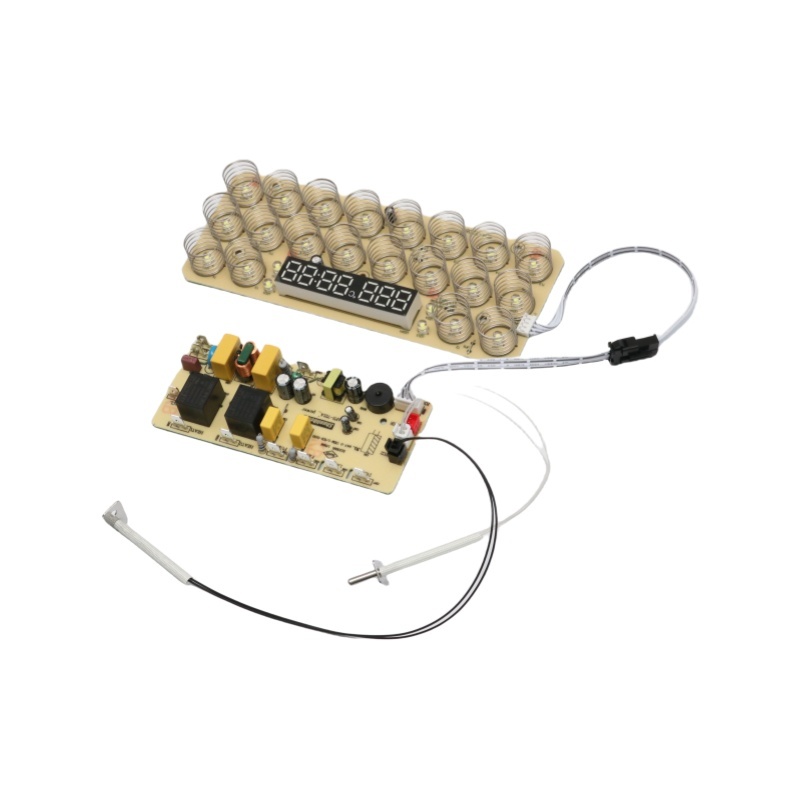
Air fryer control panel
The company focuses on the R&D, production, and sales of home appliance hardware and software, covering kitchen appliances, smart home, home textile controllers, etc. It also focuses on WIFI/Bluetooth, 5G/6G module applications, empowering smart life with innovative technologies.
Category:
Product Description
**Air Fryer Control Panel**
Air fryers have revolutionized the way we cook, offering a healthier alternative to traditional frying methods while still delivering delicious, crispy food. One of the key features of an air fryer is its control panel, which allows users to operate the appliance efficiently. This article will explore the various components of an air fryer control panel, how to use it effectively, and tips for maximizing your cooking experience.
**Understanding the Control Panel**
At first glance, the control panel of an air fryer may seem intimidating due to its array of buttons and settings. However, once you familiarize yourself with its layout, you will find that it is designed for user convenience. Most air fryer control panels consist of several essential components: temperature control, timer settings, cooking presets, and a start/stop button.
The temperature control allows users to set the desired cooking temperature, typically ranging from 180°F to 400°F. This feature is crucial for achieving the right level of crispiness and doneness for various foods.
The timer settings enable you to set the cooking duration, which can range from a few minutes to over an hour, depending on the recipe.
Many air fryers also come with cooking presets for popular dishes such as fries, chicken, and vegetables. These presets automatically adjust the temperature and cooking time based on the type of food being prepared, making it easier for novice cooks to achieve optimal results.
Finally, the start/stop button is a simple yet essential feature that initiates or pauses the cooking process.
**Navigating the Control Panel**
When using an air fryer for the first time, it is important to read the user manual to understand the specific functions of your model’s control panel. Each air fryer may have slightly different settings, but the general principles remain the same.
To begin cooking, first plug in the air fryer and ensure that the basket is properly inserted. Next, select your desired cooking preset or manually adjust the temperature and timer using the corresponding buttons. Once you have set the parameters, press the start button to begin cooking.
Throughout the cooking process, it is advisable to check on your food periodically. Many air fryers allow you to pause the cooking cycle by simply pulling out the basket. This feature not only lets you monitor the progress but also enables you to shake or flip the food for even cooking.
**Maximizing Your Cooking Experience**
To get the most out of your air fryer, consider the following tips:
1. **Preheat the Air Fryer**: Some models require preheating, while others do not. Check your user manual for specific instructions. Preheating can help achieve better cooking results, especially for frozen foods.
2. **Don’t Overcrowd the Basket**: For optimal air circulation, avoid overcrowding the basket. This ensures that the hot air can circulate evenly around the food, resulting in a crispier texture.
3. **Experiment with Cooking Times and Temperatures**: While presets are convenient, feel free to experiment with cooking times and temperatures based on your preferences. Keep a cooking journal to track successful adjustments for future reference.
4. **Use Minimal Oil**: One of the main benefits of an air fryer is the ability to cook with little to no oil. However, a light spray or brush of oil can enhance flavor and crispiness.
5. **Regular Cleaning**: To maintain the performance of your air fryer, clean the basket and control panel regularly. Most baskets are dishwasher safe, but hand washing is often recommended to prolong their lifespan.
**Common Issues and Troubleshooting**
While air fryers are generally user-friendly, you may encounter some common issues. If your food is not cooking evenly, ensure that you are not overcrowding the basket and that the temperature is set correctly. If your air fryer is not turning on, check the power source and ensure that the basket is properly inserted.
Another common issue is food sticking to the basket. To prevent this, consider using parchment paper or a non-stick spray. If your air fryer emits smoke, it may be due to excess oil or food debris in the bottom. Regular cleaning can help prevent this problem.
**Conclusion**
The control panel of an air fryer is designed to make cooking simple and efficient. By understanding its features and functions, you can take full advantage of this versatile kitchen appliance. Whether you are preparing crispy fries, tender chicken, or roasted vegetables, mastering the control panel will enhance your cooking experience. With practice, you will discover that the air fryer is not just a gadget, but a valuable tool that can help you create healthy and delicious meals with ease. Embrace the air fryer and enjoy the journey of culinary exploration!
**Air Fryer Control Panel**
Air fryers have revolutionized the way we cook, offering a healthier alternative to traditional frying methods while still delivering delicious, crispy food. One of the key features of an air fryer is its control panel, which allows users to operate the appliance efficiently. This article will explore the various components of an air fryer control panel, how to use it effectively, and tips for maximizing your cooking experience.
**Understanding the Control Panel**
At first glance, the control panel of an air fryer may seem intimidating due to its array of buttons and settings. However, once you familiarize yourself with its layout, you will find that it is designed for user convenience. Most air fryer control panels consist of several essential components: temperature control, timer settings, cooking presets, and a start/stop button.
The temperature control allows users to set the desired cooking temperature, typically ranging from 180°F to 400°F. This feature is crucial for achieving the right level of crispiness and doneness for various foods.
The timer settings enable you to set the cooking duration, which can range from a few minutes to over an hour, depending on the recipe.
Many air fryers also come with cooking presets for popular dishes such as fries, chicken, and vegetables. These presets automatically adjust the temperature and cooking time based on the type of food being prepared, making it easier for novice cooks to achieve optimal results.
Finally, the start/stop button is a simple yet essential feature that initiates or pauses the cooking process.
**Navigating the Control Panel**
When using an air fryer for the first time, it is important to read the user manual to understand the specific functions of your model’s control panel. Each air fryer may have slightly different settings, but the general principles remain the same.
To begin cooking, first plug in the air fryer and ensure that the basket is properly inserted. Next, select your desired cooking preset or manually adjust the temperature and timer using the corresponding buttons. Once you have set the parameters, press the start button to begin cooking.
Throughout the cooking process, it is advisable to check on your food periodically. Many air fryers allow you to pause the cooking cycle by simply pulling out the basket. This feature not only lets you monitor the progress but also enables you to shake or flip the food for even cooking.
**Maximizing Your Cooking Experience**
To get the most out of your air fryer, consider the following tips:
1. **Preheat the Air Fryer**: Some models require preheating, while others do not. Check your user manual for specific instructions. Preheating can help achieve better cooking results, especially for frozen foods.
2. **Don’t Overcrowd the Basket**: For optimal air circulation, avoid overcrowding the basket. This ensures that the hot air can circulate evenly around the food, resulting in a crispier texture.
3. **Experiment with Cooking Times and Temperatures**: While presets are convenient, feel free to experiment with cooking times and temperatures based on your preferences. Keep a cooking journal to track successful adjustments for future reference.
4. **Use Minimal Oil**: One of the main benefits of an air fryer is the ability to cook with little to no oil. However, a light spray or brush of oil can enhance flavor and crispiness.
5. **Regular Cleaning**: To maintain the performance of your air fryer, clean the basket and control panel regularly. Most baskets are dishwasher safe, but hand washing is often recommended to prolong their lifespan.
**Common Issues and Troubleshooting**
While air fryers are generally user-friendly, you may encounter some common issues. If your food is not cooking evenly, ensure that you are not overcrowding the basket and that the temperature is set correctly. If your air fryer is not turning on, check the power source and ensure that the basket is properly inserted.
Another common issue is food sticking to the basket. To prevent this, consider using parchment paper or a non-stick spray. If your air fryer emits smoke, it may be due to excess oil or food debris in the bottom. Regular cleaning can help prevent this problem.
**Conclusion**
The control panel of an air fryer is designed to make cooking simple and efficient. By understanding its features and functions, you can take full advantage of this versatile kitchen appliance. Whether you are preparing crispy fries, tender chicken, or roasted vegetables, mastering the control panel will enhance your cooking experience. With practice, you will discover that the air fryer is not just a gadget, but a valuable tool that can help you create healthy and delicious meals with ease. Embrace the air fryer and enjoy the journey of culinary exploration!
Keywords:
Air fryer


Ningbo Shunliheng Electronics Co., Ltd.
Address: No. 65, Haichao Road, Zhongyi Ningbo Eco-Park, Yuyao City, Zhejiang Province