Product Center
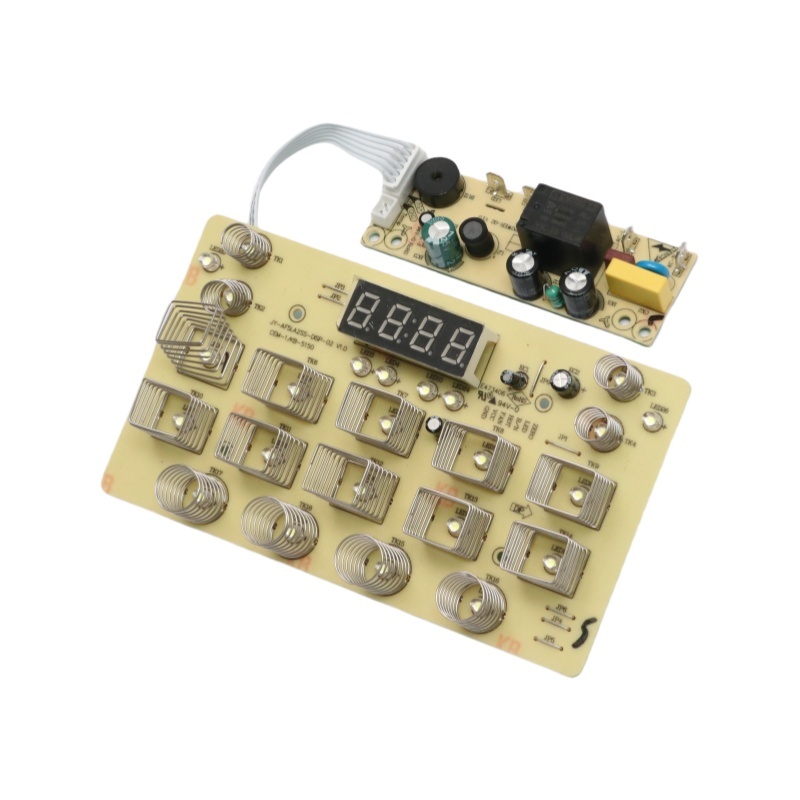
Air fryer control panel
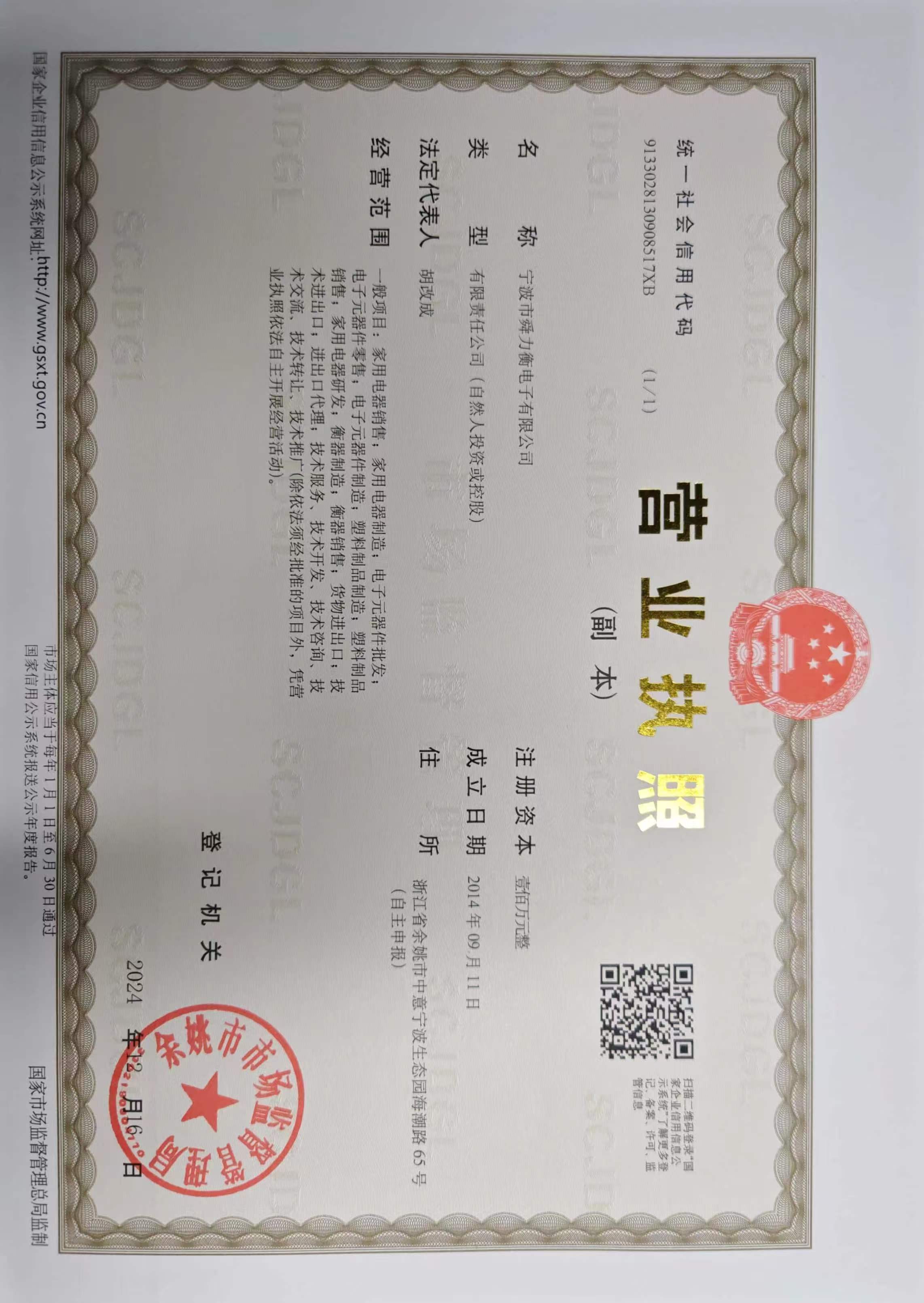
The company focuses on the R&D, production, and sales of home appliance hardware and software, covering kitchen appliances, smart home, home textile controllers, etc. It also focuses on WIFI/Bluetooth, 5G/6G module applications, empowering smart life with innovative technologies.
Category:
Product Description
**Air Fryer Control Panel**
The air fryer has revolutionized the way we cook, providing a healthier alternative to traditional frying methods. One of the key components that makes air frying convenient and efficient is the control panel. Understanding how to navigate this control panel can significantly enhance your cooking experience. In this article, we will explore the various features of the air fryer control panel, how to use it effectively, and some tips for maximizing your air frying results.
**Understanding the Control Panel Layout**
The control panel of an air fryer typically features a variety of buttons and knobs, each designed for specific functions. While the design may vary depending on the brand and model, most air fryers include the following components:
1. **Power Button**: This is the main switch that turns the air fryer on and off. It's usually located prominently on the control panel for easy access.
2. **Temperature Control**: This feature allows you to set the cooking temperature, which is crucial for achieving the desired results. Most air fryers offer a temperature range from 180°F to 400°F, enabling you to cook a variety of foods.
3. **Time Control**: This function allows you to set the cooking time. Depending on the model, you may find a digital display that shows the remaining cooking time, or you may need to rely on a timer dial.
4. **Cooking Presets**: Many air fryers come with pre-programmed cooking settings for popular dishes such as fries, chicken, fish, and baked goods. These presets automatically adjust the temperature and time, making cooking easier for beginners.
5. **Start/Pause Button**: This button lets you start or pause the cooking process. It's especially useful if you want to check on your food or shake the basket for even cooking.
6. **Additional Features**: Some advanced models may include features like a dehydrator function, rotisserie option, or a built-in food thermometer. These added features can expand your cooking possibilities.
**Using the Control Panel Effectively**
To get the most out of your air fryer, it's essential to familiarize yourself with the control panel. Here are some tips for using it effectively:
1. **Read the Manual**: Before using your air fryer, take the time to read the user manual. It will provide valuable information about the specific functions of your model's control panel.
2. **Experiment with Temperature and Time**: Cooking times and temperatures may vary based on the type and thickness of the food. Start with recommended settings and adjust as needed for your personal taste and texture preferences.
3. **Use Cooking Presets Wisely**: While presets are convenient, they may not always yield the best results for every dish. Use them as a guideline, but don't hesitate to make adjustments based on your experience.
4. **Monitor Your Food**: If your air fryer has a transparent window, use it to check on your food without opening the basket. This helps maintain the cooking temperature and ensures even cooking.
5. **Practice Safety**: Always ensure that the air fryer is placed on a flat, stable surface, and keep the control panel dry to avoid any electrical hazards.
**Tips for Maximizing Air Frying Results**
Once you are comfortable with the control panel, here are some additional tips to help you achieve the best results:
1. **Preheat the Air Fryer**: Just like an oven, preheating your air fryer can help achieve better cooking results. Preheat it for a few minutes before adding your food.
2. **Don’t Overcrowd the Basket**: For optimal air circulation, avoid overcrowding the basket. Cook in batches if necessary to ensure even cooking and crispiness.
3. **Use Minimal Oil**: One of the advantages of air frying is the ability to use less oil than traditional frying. A light spray or brush of oil can enhance the flavor and texture of your food without adding excessive calories.
4. **Shake or Turn Food**: For even cooking, shake the basket or turn the food halfway through the cooking process. This ensures that all sides are evenly exposed to the hot air.
5. **Experiment with Recipes**: The versatility of the air fryer means you can try a wide range of recipes, from savory to sweet. Don’t be afraid to experiment and find what works best for you.
**Conclusion**
The air fryer control panel is a crucial element that can greatly influence your cooking experience. By understanding its features and functions, you can make the most of this innovative kitchen appliance. With practice and experimentation, you'll discover the joys of air frying, from crispy vegetables to perfectly cooked meats. Embrace the convenience and health benefits of air frying, and let the control panel guide you on your culinary adventures. Happy cooking!
**Air Fryer Control Panel**
The air fryer has revolutionized the way we cook, providing a healthier alternative to traditional frying methods. One of the key components that makes air frying convenient and efficient is the control panel. Understanding how to navigate this control panel can significantly enhance your cooking experience. In this article, we will explore the various features of the air fryer control panel, how to use it effectively, and some tips for maximizing your air frying results.
**Understanding the Control Panel Layout**
The control panel of an air fryer typically features a variety of buttons and knobs, each designed for specific functions. While the design may vary depending on the brand and model, most air fryers include the following components:
1. **Power Button**: This is the main switch that turns the air fryer on and off. It's usually located prominently on the control panel for easy access.
2. **Temperature Control**: This feature allows you to set the cooking temperature, which is crucial for achieving the desired results. Most air fryers offer a temperature range from 180°F to 400°F, enabling you to cook a variety of foods.
3. **Time Control**: This function allows you to set the cooking time. Depending on the model, you may find a digital display that shows the remaining cooking time, or you may need to rely on a timer dial.
4. **Cooking Presets**: Many air fryers come with pre-programmed cooking settings for popular dishes such as fries, chicken, fish, and baked goods. These presets automatically adjust the temperature and time, making cooking easier for beginners.
5. **Start/Pause Button**: This button lets you start or pause the cooking process. It's especially useful if you want to check on your food or shake the basket for even cooking.
6. **Additional Features**: Some advanced models may include features like a dehydrator function, rotisserie option, or a built-in food thermometer. These added features can expand your cooking possibilities.
**Using the Control Panel Effectively**
To get the most out of your air fryer, it's essential to familiarize yourself with the control panel. Here are some tips for using it effectively:
1. **Read the Manual**: Before using your air fryer, take the time to read the user manual. It will provide valuable information about the specific functions of your model's control panel.
2. **Experiment with Temperature and Time**: Cooking times and temperatures may vary based on the type and thickness of the food. Start with recommended settings and adjust as needed for your personal taste and texture preferences.
3. **Use Cooking Presets Wisely**: While presets are convenient, they may not always yield the best results for every dish. Use them as a guideline, but don't hesitate to make adjustments based on your experience.
4. **Monitor Your Food**: If your air fryer has a transparent window, use it to check on your food without opening the basket. This helps maintain the cooking temperature and ensures even cooking.
5. **Practice Safety**: Always ensure that the air fryer is placed on a flat, stable surface, and keep the control panel dry to avoid any electrical hazards.
**Tips for Maximizing Air Frying Results**
Once you are comfortable with the control panel, here are some additional tips to help you achieve the best results:
1. **Preheat the Air Fryer**: Just like an oven, preheating your air fryer can help achieve better cooking results. Preheat it for a few minutes before adding your food.
2. **Don’t Overcrowd the Basket**: For optimal air circulation, avoid overcrowding the basket. Cook in batches if necessary to ensure even cooking and crispiness.
3. **Use Minimal Oil**: One of the advantages of air frying is the ability to use less oil than traditional frying. A light spray or brush of oil can enhance the flavor and texture of your food without adding excessive calories.
4. **Shake or Turn Food**: For even cooking, shake the basket or turn the food halfway through the cooking process. This ensures that all sides are evenly exposed to the hot air.
5. **Experiment with Recipes**: The versatility of the air fryer means you can try a wide range of recipes, from savory to sweet. Don’t be afraid to experiment and find what works best for you.
**Conclusion**
The air fryer control panel is a crucial element that can greatly influence your cooking experience. By understanding its features and functions, you can make the most of this innovative kitchen appliance. With practice and experimentation, you'll discover the joys of air frying, from crispy vegetables to perfectly cooked meats. Embrace the convenience and health benefits of air frying, and let the control panel guide you on your culinary adventures. Happy cooking!
Keywords:
Air fryer


Ningbo Shunliheng Electronics Co., Ltd.
Address: No. 65, Haichao Road, Zhongyi Ningbo Eco-Park, Yuyao City, Zhejiang Province