Product Center
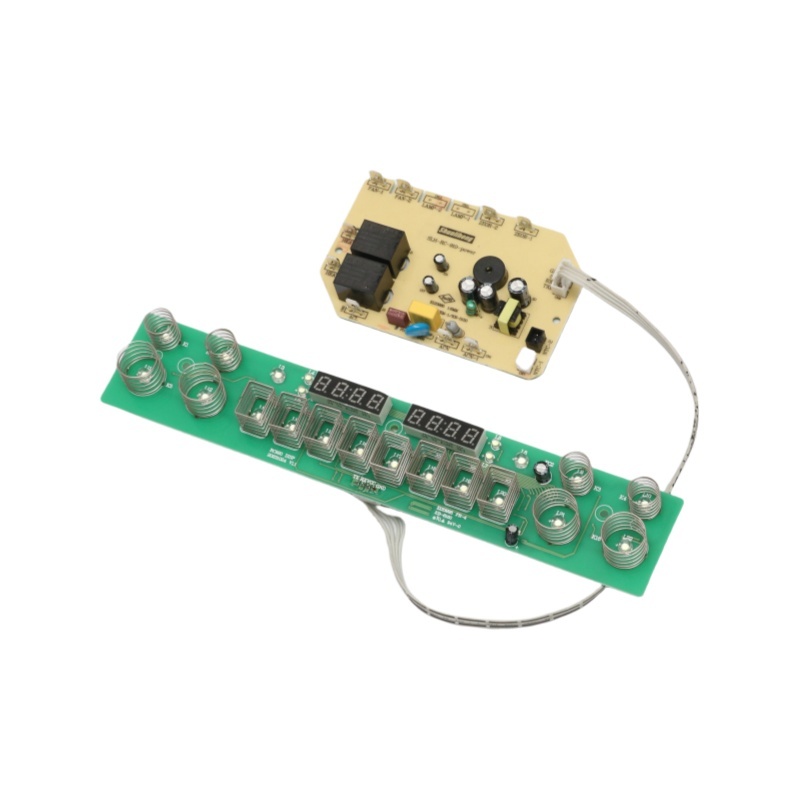
Air fryer control panel
The company focuses on the R&D, production, and sales of home appliance hardware and software, covering kitchen appliances, smart home, home textile controllers, etc. It also focuses on WIFI/Bluetooth, 5G/6G module applications, empowering smart life with innovative technologies.
Category:
Product Description
**Air Fryer Control Panel**
Air fryers have revolutionized the way we cook, offering a healthier alternative to traditional frying methods. One of the key features that make air fryers so user-friendly is their control panel. Understanding how to navigate and utilize the control panel can significantly enhance your cooking experience. This article will delve into the various components of an air fryer control panel, how to use it effectively, and tips for maximizing its potential.
**Understanding the Control Panel Layout**
The control panel of an air fryer typically consists of a digital display and several buttons or dials. While designs may vary among different brands and models, most air fryers share common features. The digital display shows the cooking temperature, time remaining, and sometimes the cooking mode. The buttons or dials allow users to adjust these settings according to their cooking needs.
Most air fryers will include a power button to turn the appliance on and off. This is usually the first step in the cooking process. Following this, you will find buttons to set the cooking temperature and time. These are crucial for achieving the desired level of crispiness and doneness in your food.
**Temperature Settings**
Temperature control is vital when using an air fryer. The control panel usually allows you to set the temperature anywhere from 180°F to 400°F (about 82°C to 204°C). Different foods require different temperatures for optimal cooking. For example, chicken wings might need a higher temperature for crispiness, while vegetables may cook better at a lower setting.
Many air fryers come with pre-programmed settings for popular dishes such as fries, chicken, and fish. These presets take the guesswork out of cooking, as they automatically adjust the temperature and time for you. However, it’s essential to understand that these presets are merely guidelines. Depending on the size and thickness of your food, you may need to make adjustments.
**Time Settings**
Setting the cooking time is equally important as adjusting the temperature. Most air fryers allow you to set the timer for anywhere from 1 to 60 minutes. When using the control panel, you can usually press a button to increase or decrease the time.
It's advisable to check your food a few minutes before the timer goes off, especially when trying a new recipe. Air fryers cook food faster than traditional ovens, and you may find that your dish is ready before the timer indicates.
**Additional Features**
Some air fryers come equipped with advanced features that enhance usability. These may include a pause button, which allows you to check on your food without restarting the cooking process. Another useful feature is a shake reminder, which alerts you to shake or flip your food halfway through the cooking time for even crispiness.
More advanced models may include Wi-Fi connectivity or app integration, allowing you to control your air fryer from your smartphone. This feature can be particularly handy for busy individuals who want to monitor their cooking without being in the kitchen.
**Cleaning and Maintenance**
Maintaining your air fryer is crucial for its longevity and performance. The control panel is usually easy to clean, but you should avoid using abrasive materials that could scratch the surface. Most air fryers have removable parts, such as the basket and tray, which should be washed regularly.
Be sure to consult the user manual for specific cleaning instructions related to your model. Some air fryers may be dishwasher safe, while others require hand washing. Keeping the control panel clean not only enhances its appearance but also ensures that all buttons function correctly.
**Conclusion**
The air fryer control panel is an essential component that significantly impacts your cooking experience. Understanding its layout and functions can help you take full advantage of this versatile appliance. By mastering temperature and time settings, utilizing pre-programmed features, and maintaining the device properly, you can elevate your cooking skills and enjoy healthier meals.
As air fryers continue to gain popularity, manufacturers are likely to innovate further, introducing new features and functionalities. Staying informed about these advancements will enable you to make the most out of your air fryer, ensuring delicious results every time. Whether you are a seasoned chef or a novice in the kitchen, familiarizing yourself with the control panel is the first step toward culinary success with an air fryer.
**Air Fryer Control Panel**
Air fryers have revolutionized the way we cook, offering a healthier alternative to traditional frying methods. One of the key features that make air fryers so user-friendly is their control panel. Understanding how to navigate and utilize the control panel can significantly enhance your cooking experience. This article will delve into the various components of an air fryer control panel, how to use it effectively, and tips for maximizing its potential.
**Understanding the Control Panel Layout**
The control panel of an air fryer typically consists of a digital display and several buttons or dials. While designs may vary among different brands and models, most air fryers share common features. The digital display shows the cooking temperature, time remaining, and sometimes the cooking mode. The buttons or dials allow users to adjust these settings according to their cooking needs.
Most air fryers will include a power button to turn the appliance on and off. This is usually the first step in the cooking process. Following this, you will find buttons to set the cooking temperature and time. These are crucial for achieving the desired level of crispiness and doneness in your food.
**Temperature Settings**
Temperature control is vital when using an air fryer. The control panel usually allows you to set the temperature anywhere from 180°F to 400°F (about 82°C to 204°C). Different foods require different temperatures for optimal cooking. For example, chicken wings might need a higher temperature for crispiness, while vegetables may cook better at a lower setting.
Many air fryers come with pre-programmed settings for popular dishes such as fries, chicken, and fish. These presets take the guesswork out of cooking, as they automatically adjust the temperature and time for you. However, it’s essential to understand that these presets are merely guidelines. Depending on the size and thickness of your food, you may need to make adjustments.
**Time Settings**
Setting the cooking time is equally important as adjusting the temperature. Most air fryers allow you to set the timer for anywhere from 1 to 60 minutes. When using the control panel, you can usually press a button to increase or decrease the time.
It's advisable to check your food a few minutes before the timer goes off, especially when trying a new recipe. Air fryers cook food faster than traditional ovens, and you may find that your dish is ready before the timer indicates.
**Additional Features**
Some air fryers come equipped with advanced features that enhance usability. These may include a pause button, which allows you to check on your food without restarting the cooking process. Another useful feature is a shake reminder, which alerts you to shake or flip your food halfway through the cooking time for even crispiness.
More advanced models may include Wi-Fi connectivity or app integration, allowing you to control your air fryer from your smartphone. This feature can be particularly handy for busy individuals who want to monitor their cooking without being in the kitchen.
**Cleaning and Maintenance**
Maintaining your air fryer is crucial for its longevity and performance. The control panel is usually easy to clean, but you should avoid using abrasive materials that could scratch the surface. Most air fryers have removable parts, such as the basket and tray, which should be washed regularly.
Be sure to consult the user manual for specific cleaning instructions related to your model. Some air fryers may be dishwasher safe, while others require hand washing. Keeping the control panel clean not only enhances its appearance but also ensures that all buttons function correctly.
**Conclusion**
The air fryer control panel is an essential component that significantly impacts your cooking experience. Understanding its layout and functions can help you take full advantage of this versatile appliance. By mastering temperature and time settings, utilizing pre-programmed features, and maintaining the device properly, you can elevate your cooking skills and enjoy healthier meals.
As air fryers continue to gain popularity, manufacturers are likely to innovate further, introducing new features and functionalities. Staying informed about these advancements will enable you to make the most out of your air fryer, ensuring delicious results every time. Whether you are a seasoned chef or a novice in the kitchen, familiarizing yourself with the control panel is the first step toward culinary success with an air fryer.
Keywords:
Air fryer


Ningbo Shunliheng Electronics Co., Ltd.
Address: No. 65, Haichao Road, Zhongyi Ningbo Eco-Park, Yuyao City, Zhejiang Province