Product Center
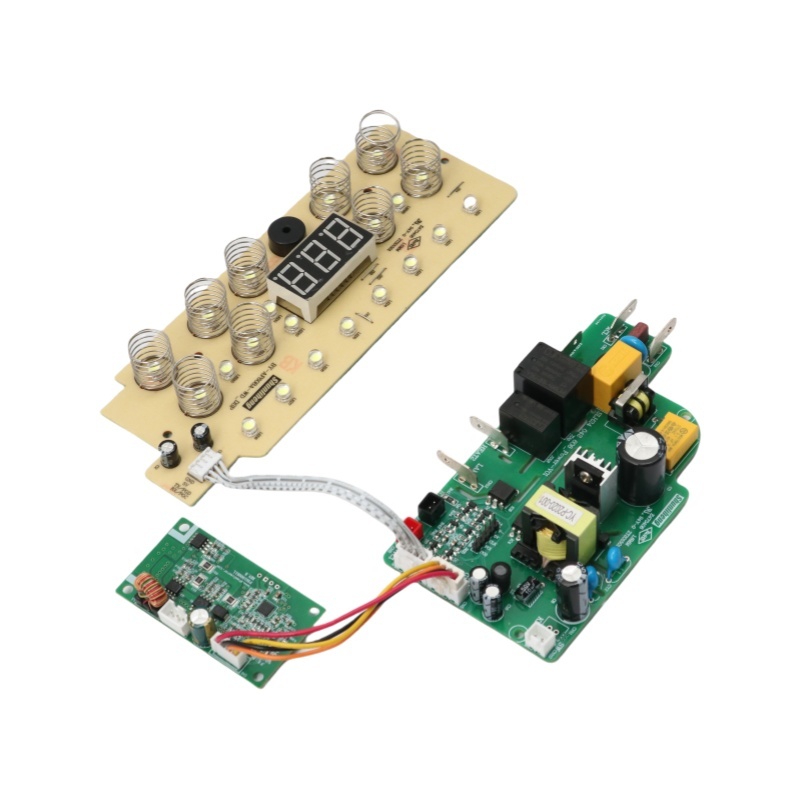
Air fryer control panel
The company focuses on the R&D, production, and sales of home appliance hardware and software, covering kitchen appliances, smart home, home textile controllers, etc. It also focuses on WIFI/Bluetooth, 5G/6G module applications, empowering smart life with innovative technologies.
Category:
Product Description
# Air Fryer Control Panel
In recent years, air fryers have gained immense popularity in kitchens around the world. They offer a healthier alternative to traditional frying methods by using hot air circulation to cook food. One of the most critical components of an air fryer is its control panel. Understanding the control panel is essential for maximizing the efficiency and versatility of this kitchen appliance. This article will explore the various features and functionalities of an air fryer control panel, helping users make the most of their cooking experience.
## Overview of the Control Panel
The control panel of an air fryer typically consists of buttons, dials, and a digital display. The design may vary from model to model, but the fundamental functions remain largely the same. The panel allows users to set cooking temperatures, adjust cooking times, and select various cooking modes. Familiarizing oneself with these controls is crucial for effective air frying.
## Temperature Control
One of the most important features of the air fryer control panel is temperature control. Most air fryers allow users to set temperatures ranging from 180°F to 400°F. This range provides flexibility for cooking different types of food, from delicate items like fish to heartier foods like chicken wings or fries.
When using the control panel, users can typically press a "+" or "-" button to increase or decrease the temperature. Some advanced models may even have preset temperatures for specific foods, making it easier for novice cooks to achieve perfect results. Understanding how to adjust the temperature can significantly impact the texture and flavor of the food being cooked.
## Time Settings
Along with temperature, the cooking time is another critical aspect that users can control through the panel. Most air fryers have a timer that can be set for various durations, typically ranging from a few minutes to an hour. The timer is essential for preventing overcooking or burning food, which can happen quickly in an air fryer due to its rapid cooking capabilities.
Users can usually set the timer by turning a dial or pressing buttons. Many models also come equipped with an automatic shut-off feature, which turns off the appliance once the timer reaches zero. This feature not only adds convenience but also enhances safety, as it reduces the risk of accidents in the kitchen.
## Cooking Modes
Modern air fryers often come with various cooking modes that can be selected through the control panel. These modes are designed to simplify the cooking process by providing pre-set temperature and time combinations for specific types of food. Common modes include frying, baking, roasting, and grilling.
For example, the "fry" mode might be set to 400°F for 15 minutes, ideal for crispy French fries. In contrast, the "bake" mode may adjust the temperature to 350°F for a longer duration, perfect for cakes or muffins. Understanding these modes can help users choose the best settings for their meals, ensuring optimal results with minimal effort.
## Additional Features
Many air fryers come equipped with additional features that enhance the cooking experience. Some control panels include a pause function, allowing users to check on their food without restarting the cooking process. Others might offer a preheat function, which heats the air fryer to the desired temperature before cooking begins.
Moreover, some advanced models feature a digital display that provides real-time updates on cooking progress. This display may show the remaining time, current temperature, and even cooking instructions. Such features make it easier for users to monitor their food, ensuring a more successful cooking experience.
## User-Friendly Design
A well-designed control panel is crucial for user-friendliness. Most air fryers are designed with intuitive controls that are easy to understand, even for those who may not be technologically savvy. Clear labeling of buttons and icons can help users quickly identify the functions they need.
In addition, some models feature touch screens, which can provide a modern and sleek look. However, traditional buttons and dials remain popular for their tactile feedback and simplicity. Regardless of the design, the goal is to create an accessible interface that allows users to operate the air fryer with ease.
## Maintenance and Care
Understanding the control panel also involves knowing how to maintain it. Regular cleaning is essential to ensure that the buttons and display remain functional. Most air fryer control panels can be wiped down with a damp cloth to remove any food splatters or grease. Users should avoid using harsh chemicals that could damage the panel.
Additionally, it's essential to keep the air fryer itself clean, as a dirty appliance can affect performance. Regularly checking for any malfunctioning buttons or display issues can help catch problems early, ensuring the air fryer continues to function effectively.
## Conclusion
The control panel of an air fryer plays a pivotal role in its operation. By understanding its various features, users can enhance their cooking experience and achieve better results. From temperature and time settings to specialized cooking modes, the control panel provides the tools necessary for a versatile and efficient cooking process.
As air fryers continue to evolve, so too will their control panels. Future models may incorporate even more advanced technology, making cooking easier and more enjoyable. For now, taking the time to understand the current control panel features can significantly impact the quality of meals prepared with this popular kitchen appliance. Whether you are a novice cook or an experienced chef, mastering the air fryer control panel is a step toward culinary success.
# Air Fryer Control Panel
In recent years, air fryers have gained immense popularity in kitchens around the world. They offer a healthier alternative to traditional frying methods by using hot air circulation to cook food. One of the most critical components of an air fryer is its control panel. Understanding the control panel is essential for maximizing the efficiency and versatility of this kitchen appliance. This article will explore the various features and functionalities of an air fryer control panel, helping users make the most of their cooking experience.
## Overview of the Control Panel
The control panel of an air fryer typically consists of buttons, dials, and a digital display. The design may vary from model to model, but the fundamental functions remain largely the same. The panel allows users to set cooking temperatures, adjust cooking times, and select various cooking modes. Familiarizing oneself with these controls is crucial for effective air frying.
## Temperature Control
One of the most important features of the air fryer control panel is temperature control. Most air fryers allow users to set temperatures ranging from 180°F to 400°F. This range provides flexibility for cooking different types of food, from delicate items like fish to heartier foods like chicken wings or fries.
When using the control panel, users can typically press a "+" or "-" button to increase or decrease the temperature. Some advanced models may even have preset temperatures for specific foods, making it easier for novice cooks to achieve perfect results. Understanding how to adjust the temperature can significantly impact the texture and flavor of the food being cooked.
## Time Settings
Along with temperature, the cooking time is another critical aspect that users can control through the panel. Most air fryers have a timer that can be set for various durations, typically ranging from a few minutes to an hour. The timer is essential for preventing overcooking or burning food, which can happen quickly in an air fryer due to its rapid cooking capabilities.
Users can usually set the timer by turning a dial or pressing buttons. Many models also come equipped with an automatic shut-off feature, which turns off the appliance once the timer reaches zero. This feature not only adds convenience but also enhances safety, as it reduces the risk of accidents in the kitchen.
## Cooking Modes
Modern air fryers often come with various cooking modes that can be selected through the control panel. These modes are designed to simplify the cooking process by providing pre-set temperature and time combinations for specific types of food. Common modes include frying, baking, roasting, and grilling.
For example, the "fry" mode might be set to 400°F for 15 minutes, ideal for crispy French fries. In contrast, the "bake" mode may adjust the temperature to 350°F for a longer duration, perfect for cakes or muffins. Understanding these modes can help users choose the best settings for their meals, ensuring optimal results with minimal effort.
## Additional Features
Many air fryers come equipped with additional features that enhance the cooking experience. Some control panels include a pause function, allowing users to check on their food without restarting the cooking process. Others might offer a preheat function, which heats the air fryer to the desired temperature before cooking begins.
Moreover, some advanced models feature a digital display that provides real-time updates on cooking progress. This display may show the remaining time, current temperature, and even cooking instructions. Such features make it easier for users to monitor their food, ensuring a more successful cooking experience.
## User-Friendly Design
A well-designed control panel is crucial for user-friendliness. Most air fryers are designed with intuitive controls that are easy to understand, even for those who may not be technologically savvy. Clear labeling of buttons and icons can help users quickly identify the functions they need.
In addition, some models feature touch screens, which can provide a modern and sleek look. However, traditional buttons and dials remain popular for their tactile feedback and simplicity. Regardless of the design, the goal is to create an accessible interface that allows users to operate the air fryer with ease.
## Maintenance and Care
Understanding the control panel also involves knowing how to maintain it. Regular cleaning is essential to ensure that the buttons and display remain functional. Most air fryer control panels can be wiped down with a damp cloth to remove any food splatters or grease. Users should avoid using harsh chemicals that could damage the panel.
Additionally, it's essential to keep the air fryer itself clean, as a dirty appliance can affect performance. Regularly checking for any malfunctioning buttons or display issues can help catch problems early, ensuring the air fryer continues to function effectively.
## Conclusion
The control panel of an air fryer plays a pivotal role in its operation. By understanding its various features, users can enhance their cooking experience and achieve better results. From temperature and time settings to specialized cooking modes, the control panel provides the tools necessary for a versatile and efficient cooking process.
As air fryers continue to evolve, so too will their control panels. Future models may incorporate even more advanced technology, making cooking easier and more enjoyable. For now, taking the time to understand the current control panel features can significantly impact the quality of meals prepared with this popular kitchen appliance. Whether you are a novice cook or an experienced chef, mastering the air fryer control panel is a step toward culinary success.
Keywords:
Air fryer


Ningbo Shunliheng Electronics Co., Ltd.
Address: No. 65, Haichao Road, Zhongyi Ningbo Eco-Park, Yuyao City, Zhejiang Province