Product Center
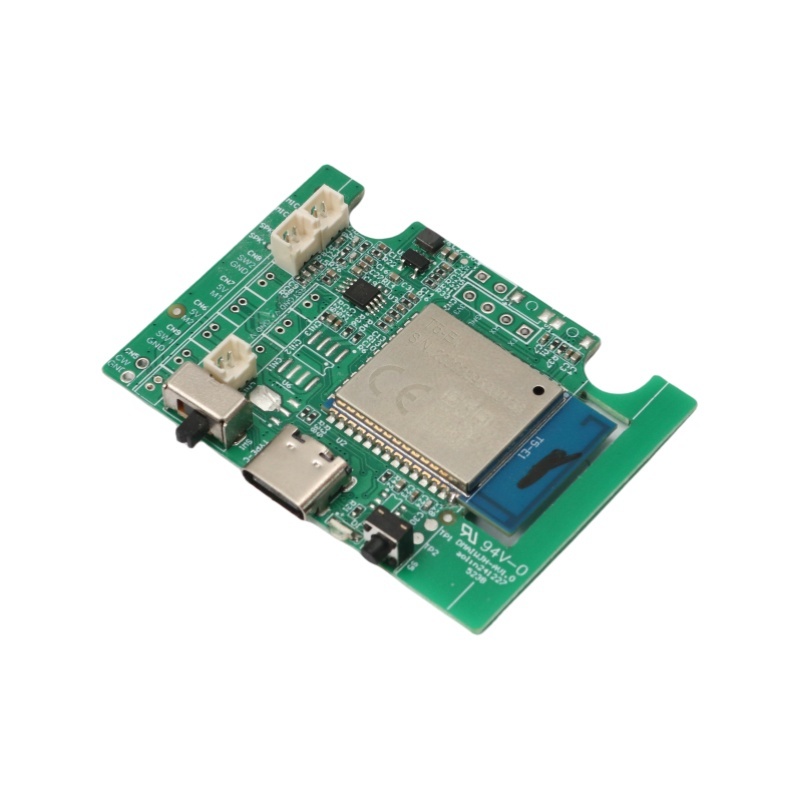
Smart irrigation equipment control board
The company focuses on the R&D, production, and sales of home appliance hardware and software, covering kitchen appliances, smart home, home textile controllers, etc. It also focuses on WIFI/Bluetooth, 5G/6G module applications, empowering smart life with innovative technologies.
Category:
Product Description
**Smart Irrigation Equipment Control Board**
In recent years, the agriculture sector has witnessed a technological revolution, driven by the need for more efficient water usage and sustainable farming practices. One of the most significant advancements in this area is the development of smart irrigation systems. At the heart of these systems lies the smart irrigation equipment control board, a crucial component that facilitates the automation and optimization of irrigation processes. This article explores the functionalities, benefits, and future prospects of smart irrigation equipment control boards.
**Understanding Smart Irrigation Control Boards**
A smart irrigation equipment control board serves as the brain of an irrigation system. It is equipped with various sensors, communication modules, and control interfaces that allow it to monitor environmental conditions and adjust irrigation schedules accordingly. Typically, these control boards are integrated with soil moisture sensors, weather stations, and flow meters to gather real-time data. This data is then analyzed to determine the optimal amount of water needed for crops, ensuring that plants receive adequate hydration while minimizing water waste.
**Key Features of Smart Irrigation Control Boards**
1. **Real-Time Monitoring**: Smart control boards continuously monitor soil moisture levels, temperature, humidity, and precipitation. This real-time data enables farmers to make informed decisions about when and how much to irrigate.
2. **Automated Irrigation Scheduling**: Based on the data collected, the control board can automate irrigation schedules. For instance, if soil moisture is adequate, the system can delay watering, conserving water and reducing costs.
3. **Remote Access and Control**: Many smart irrigation control boards come equipped with wireless communication capabilities, allowing farmers to access and control their irrigation systems remotely via smartphones or computers. This feature provides convenience and flexibility, especially for those managing large agricultural operations.
4. **Data Analytics**: Advanced control boards often include data analytics tools that help farmers analyze trends over time. This analysis can lead to better decision-making and improved crop yields.
5. **Integration with Other Systems**: Smart irrigation control boards can be integrated with other agricultural technologies, such as crop management systems and pest control solutions. This holistic approach to farm management enhances overall efficiency.
**Benefits of Smart Irrigation Control Boards**
The implementation of smart irrigation equipment control boards offers numerous benefits to farmers and the environment alike.
1. **Water Conservation**: One of the most significant advantages of smart irrigation systems is their ability to conserve water. By applying water only when necessary and in the right amounts, these systems reduce water waste and promote sustainable farming practices.
2. **Increased Crop Yields**: With precise irrigation, crops receive optimal hydration, leading to healthier plants and potentially higher yields. Farmers can maximize their output while using fewer resources.
3. **Cost Savings**: By minimizing water usage and reducing labor costs associated with manual irrigation, farmers can save money in the long run. The initial investment in smart irrigation technology is often offset by these savings.
4. **Environmental Benefits**: Efficient water usage not only benefits farmers but also helps protect local ecosystems. Reduced water runoff can lead to less erosion and lower contamination of nearby water sources.
5. **Adaptability to Climate Change**: As climate patterns become increasingly unpredictable, smart irrigation systems provide farmers with the tools they need to adapt. By utilizing real-time data, farmers can respond swiftly to changing conditions, ensuring their crops remain healthy.
**Challenges and Considerations**
While the advantages of smart irrigation control boards are clear, there are challenges to consider. The initial investment can be significant, particularly for small-scale farmers. Additionally, the complexity of these systems may require training and technical support to ensure proper implementation and maintenance.
Furthermore, the effectiveness of smart irrigation systems can be influenced by local environmental conditions. Farmers must ensure that the technology they choose is suitable for their specific crops and climate.
**Future Prospects**
As technology continues to advance, the future of smart irrigation equipment control boards looks promising. Innovations in artificial intelligence and machine learning are expected to enhance data analysis capabilities, allowing for even more precise irrigation management. Moreover, the integration of renewable energy sources, such as solar power, could further reduce the environmental impact of these systems.
The ongoing development of IoT (Internet of Things) technology will also play a crucial role in the evolution of smart irrigation. As more devices become interconnected, farmers will have access to an unprecedented amount of data, enabling them to make even more informed decisions.
**Conclusion**
Smart irrigation equipment control boards represent a significant leap forward in agricultural technology. By automating and optimizing irrigation processes, these systems offer numerous benefits, including water conservation, increased crop yields, and cost savings. Despite some challenges, the future of smart irrigation looks bright, with continued advancements poised to further enhance their effectiveness and accessibility. As the agriculture industry embraces these technologies, we can expect to see a more sustainable and efficient approach to farming, ultimately benefiting both farmers and the environment.
**Smart Irrigation Equipment Control Board**
In recent years, the agriculture sector has witnessed a technological revolution, driven by the need for more efficient water usage and sustainable farming practices. One of the most significant advancements in this area is the development of smart irrigation systems. At the heart of these systems lies the smart irrigation equipment control board, a crucial component that facilitates the automation and optimization of irrigation processes. This article explores the functionalities, benefits, and future prospects of smart irrigation equipment control boards.
**Understanding Smart Irrigation Control Boards**
A smart irrigation equipment control board serves as the brain of an irrigation system. It is equipped with various sensors, communication modules, and control interfaces that allow it to monitor environmental conditions and adjust irrigation schedules accordingly. Typically, these control boards are integrated with soil moisture sensors, weather stations, and flow meters to gather real-time data. This data is then analyzed to determine the optimal amount of water needed for crops, ensuring that plants receive adequate hydration while minimizing water waste.
**Key Features of Smart Irrigation Control Boards**
1. **Real-Time Monitoring**: Smart control boards continuously monitor soil moisture levels, temperature, humidity, and precipitation. This real-time data enables farmers to make informed decisions about when and how much to irrigate.
2. **Automated Irrigation Scheduling**: Based on the data collected, the control board can automate irrigation schedules. For instance, if soil moisture is adequate, the system can delay watering, conserving water and reducing costs.
3. **Remote Access and Control**: Many smart irrigation control boards come equipped with wireless communication capabilities, allowing farmers to access and control their irrigation systems remotely via smartphones or computers. This feature provides convenience and flexibility, especially for those managing large agricultural operations.
4. **Data Analytics**: Advanced control boards often include data analytics tools that help farmers analyze trends over time. This analysis can lead to better decision-making and improved crop yields.
5. **Integration with Other Systems**: Smart irrigation control boards can be integrated with other agricultural technologies, such as crop management systems and pest control solutions. This holistic approach to farm management enhances overall efficiency.
**Benefits of Smart Irrigation Control Boards**
The implementation of smart irrigation equipment control boards offers numerous benefits to farmers and the environment alike.
1. **Water Conservation**: One of the most significant advantages of smart irrigation systems is their ability to conserve water. By applying water only when necessary and in the right amounts, these systems reduce water waste and promote sustainable farming practices.
2. **Increased Crop Yields**: With precise irrigation, crops receive optimal hydration, leading to healthier plants and potentially higher yields. Farmers can maximize their output while using fewer resources.
3. **Cost Savings**: By minimizing water usage and reducing labor costs associated with manual irrigation, farmers can save money in the long run. The initial investment in smart irrigation technology is often offset by these savings.
4. **Environmental Benefits**: Efficient water usage not only benefits farmers but also helps protect local ecosystems. Reduced water runoff can lead to less erosion and lower contamination of nearby water sources.
5. **Adaptability to Climate Change**: As climate patterns become increasingly unpredictable, smart irrigation systems provide farmers with the tools they need to adapt. By utilizing real-time data, farmers can respond swiftly to changing conditions, ensuring their crops remain healthy.
**Challenges and Considerations**
While the advantages of smart irrigation control boards are clear, there are challenges to consider. The initial investment can be significant, particularly for small-scale farmers. Additionally, the complexity of these systems may require training and technical support to ensure proper implementation and maintenance.
Furthermore, the effectiveness of smart irrigation systems can be influenced by local environmental conditions. Farmers must ensure that the technology they choose is suitable for their specific crops and climate.
**Future Prospects**
As technology continues to advance, the future of smart irrigation equipment control boards looks promising. Innovations in artificial intelligence and machine learning are expected to enhance data analysis capabilities, allowing for even more precise irrigation management. Moreover, the integration of renewable energy sources, such as solar power, could further reduce the environmental impact of these systems.
The ongoing development of IoT (Internet of Things) technology will also play a crucial role in the evolution of smart irrigation. As more devices become interconnected, farmers will have access to an unprecedented amount of data, enabling them to make even more informed decisions.
**Conclusion**
Smart irrigation equipment control boards represent a significant leap forward in agricultural technology. By automating and optimizing irrigation processes, these systems offer numerous benefits, including water conservation, increased crop yields, and cost savings. Despite some challenges, the future of smart irrigation looks bright, with continued advancements poised to further enhance their effectiveness and accessibility. As the agriculture industry embraces these technologies, we can expect to see a more sustainable and efficient approach to farming, ultimately benefiting both farmers and the environment.
Keywords:
Smart irrigation equipment


Ningbo Shunliheng Electronics Co., Ltd.
Address: No. 65, Haichao Road, Zhongyi Ningbo Eco-Park, Yuyao City, Zhejiang Province