Product Center

Semiconductor-based ice cream maker
The company focuses on the R&D, production, and sales of home appliance hardware and software, covering kitchen appliances, smart home, home textile controllers, etc. It also focuses on WIFI/Bluetooth, 5G/6G module applications, empowering smart life with innovative technologies.
Category:
Product Description
**Semiconductor-based Ice Cream Maker**
In recent years, the culinary world has witnessed a wave of innovation, blending traditional cooking methods with cutting-edge technology. One of the most exciting developments in this arena is the semiconductor-based ice cream maker. This appliance not only promises to revolutionize how we make ice cream at home but also enhances the overall experience of creating and enjoying this beloved dessert.
**Understanding the Technology**
At the heart of the semiconductor-based ice cream maker is the use of semiconductor cooling technology, which is fundamentally different from traditional ice cream makers that rely on compressor or manual ice and salt methods. Semiconductor coolers, also known as thermoelectric coolers, utilize the Peltier effect to create a temperature difference. When an electric current passes through two different types of conductors, it creates a heat exchange effect that can either cool or heat an object.
This technology allows for precise temperature control, which is crucial for achieving the perfect texture and consistency in ice cream. Unlike traditional methods that may take longer and require more manual intervention, semiconductor-based ice cream makers can produce creamy, delicious ice cream in a fraction of the time, all while maintaining optimal temperatures throughout the process.
**Advantages of Semiconductor-Based Ice Cream Makers**
One of the most significant advantages of semiconductor-based ice cream makers is their compact design. Unlike bulky traditional machines, these devices are often lightweight and easy to store, making them ideal for home use. Their portability means they can be taken to parties or gatherings, allowing for fresh ice cream to be made on the spot.
Moreover, the energy efficiency of semiconductor technology is noteworthy. Traditional ice cream makers can consume a significant amount of electricity, especially when using compressors. In contrast, semiconductor coolers use less energy, making them a more sustainable option for environmentally conscious consumers.
Another remarkable feature is the simplicity of operation. Many semiconductor-based ice cream makers come equipped with intuitive controls and preset programs that allow users to create various flavors and textures with minimal effort. This user-friendly approach encourages creativity in the kitchen, enabling home cooks to experiment with different ingredients and flavors without the fear of complicated machinery.
**The Ice Cream Making Process**
The process of making ice cream with a semiconductor-based machine is straightforward and enjoyable. First, users prepare their ice cream base, which can range from classic vanilla to more adventurous flavors like lavender or matcha. Once the mixture is ready, it is poured into the machine's bowl, and the cooling process begins.
As the semiconductor technology activates, the temperature begins to drop, rapidly cooling the mixture while simultaneously churning it to incorporate air. This churning is essential for creating a light and fluffy texture, preventing the formation of large ice crystals. The result is a smooth, creamy ice cream that rivals store-bought options.
The entire process can take as little as 20 to 30 minutes, depending on the specific model and the ingredients used. Some machines even allow users to add mix-ins like chocolate chips or fruit during the last few minutes of churning, ensuring that every scoop is packed with flavor and texture.
**Flavor Customization and Healthier Options**
One of the most appealing aspects of using a semiconductor-based ice cream maker is the ability to customize flavors and ingredients. Home cooks can experiment with natural sweeteners, dairy alternatives, and unique flavor combinations that cater to specific dietary needs or preferences. This flexibility opens up a world of possibilities, from vegan and gluten-free options to indulgent, rich desserts.
Furthermore, by controlling the ingredients, consumers can create healthier versions of their favorite treats. For instance, using fresh fruits, low-fat dairy, or sugar substitutes allows for guilt-free indulgence without sacrificing flavor. This capability is particularly appealing in a health-conscious society where many are seeking ways to enjoy desserts without compromising their dietary goals.
**The Future of Ice Cream Making**
As technology continues to advance, we can expect further innovations in the realm of ice cream making. Semiconductor-based ice cream makers represent just the beginning of a new era in culinary appliances. With ongoing research and development, future models may integrate smart technology, allowing users to control their machines via smartphone apps or receive personalized recipe suggestions based on their preferences.
Moreover, as the popularity of homemade ice cream grows, we may see a rise in community ice cream-making events, where enthusiasts gather to share recipes, techniques, and flavors. This sense of community, combined with the ease of use offered by semiconductor technology, has the potential to transform how we experience this classic dessert.
**Conclusion**
In conclusion, semiconductor-based ice cream makers are not just a passing trend; they signify a significant leap forward in the world of culinary technology. By combining efficiency, convenience, and customization, these machines are poised to change how we think about making ice cream at home. As we embrace this innovative approach, we can look forward to a future filled with delicious, personalized treats that cater to our individual tastes and dietary needs. Whether you are a seasoned chef or a casual home cook, the joy of creating your ice cream has never been more accessible or exciting.
**Semiconductor-based Ice Cream Maker**
In recent years, the culinary world has witnessed a wave of innovation, blending traditional cooking methods with cutting-edge technology. One of the most exciting developments in this arena is the semiconductor-based ice cream maker. This appliance not only promises to revolutionize how we make ice cream at home but also enhances the overall experience of creating and enjoying this beloved dessert.
**Understanding the Technology**
At the heart of the semiconductor-based ice cream maker is the use of semiconductor cooling technology, which is fundamentally different from traditional ice cream makers that rely on compressor or manual ice and salt methods. Semiconductor coolers, also known as thermoelectric coolers, utilize the Peltier effect to create a temperature difference. When an electric current passes through two different types of conductors, it creates a heat exchange effect that can either cool or heat an object.
This technology allows for precise temperature control, which is crucial for achieving the perfect texture and consistency in ice cream. Unlike traditional methods that may take longer and require more manual intervention, semiconductor-based ice cream makers can produce creamy, delicious ice cream in a fraction of the time, all while maintaining optimal temperatures throughout the process.
**Advantages of Semiconductor-Based Ice Cream Makers**
One of the most significant advantages of semiconductor-based ice cream makers is their compact design. Unlike bulky traditional machines, these devices are often lightweight and easy to store, making them ideal for home use. Their portability means they can be taken to parties or gatherings, allowing for fresh ice cream to be made on the spot.
Moreover, the energy efficiency of semiconductor technology is noteworthy. Traditional ice cream makers can consume a significant amount of electricity, especially when using compressors. In contrast, semiconductor coolers use less energy, making them a more sustainable option for environmentally conscious consumers.
Another remarkable feature is the simplicity of operation. Many semiconductor-based ice cream makers come equipped with intuitive controls and preset programs that allow users to create various flavors and textures with minimal effort. This user-friendly approach encourages creativity in the kitchen, enabling home cooks to experiment with different ingredients and flavors without the fear of complicated machinery.
**The Ice Cream Making Process**
The process of making ice cream with a semiconductor-based machine is straightforward and enjoyable. First, users prepare their ice cream base, which can range from classic vanilla to more adventurous flavors like lavender or matcha. Once the mixture is ready, it is poured into the machine's bowl, and the cooling process begins.
As the semiconductor technology activates, the temperature begins to drop, rapidly cooling the mixture while simultaneously churning it to incorporate air. This churning is essential for creating a light and fluffy texture, preventing the formation of large ice crystals. The result is a smooth, creamy ice cream that rivals store-bought options.
The entire process can take as little as 20 to 30 minutes, depending on the specific model and the ingredients used. Some machines even allow users to add mix-ins like chocolate chips or fruit during the last few minutes of churning, ensuring that every scoop is packed with flavor and texture.
**Flavor Customization and Healthier Options**
One of the most appealing aspects of using a semiconductor-based ice cream maker is the ability to customize flavors and ingredients. Home cooks can experiment with natural sweeteners, dairy alternatives, and unique flavor combinations that cater to specific dietary needs or preferences. This flexibility opens up a world of possibilities, from vegan and gluten-free options to indulgent, rich desserts.
Furthermore, by controlling the ingredients, consumers can create healthier versions of their favorite treats. For instance, using fresh fruits, low-fat dairy, or sugar substitutes allows for guilt-free indulgence without sacrificing flavor. This capability is particularly appealing in a health-conscious society where many are seeking ways to enjoy desserts without compromising their dietary goals.
**The Future of Ice Cream Making**
As technology continues to advance, we can expect further innovations in the realm of ice cream making. Semiconductor-based ice cream makers represent just the beginning of a new era in culinary appliances. With ongoing research and development, future models may integrate smart technology, allowing users to control their machines via smartphone apps or receive personalized recipe suggestions based on their preferences.
Moreover, as the popularity of homemade ice cream grows, we may see a rise in community ice cream-making events, where enthusiasts gather to share recipes, techniques, and flavors. This sense of community, combined with the ease of use offered by semiconductor technology, has the potential to transform how we experience this classic dessert.
**Conclusion**
In conclusion, semiconductor-based ice cream makers are not just a passing trend; they signify a significant leap forward in the world of culinary technology. By combining efficiency, convenience, and customization, these machines are poised to change how we think about making ice cream at home. As we embrace this innovative approach, we can look forward to a future filled with delicious, personalized treats that cater to our individual tastes and dietary needs. Whether you are a seasoned chef or a casual home cook, the joy of creating your ice cream has never been more accessible or exciting.
Keywords:
Ice cream maker


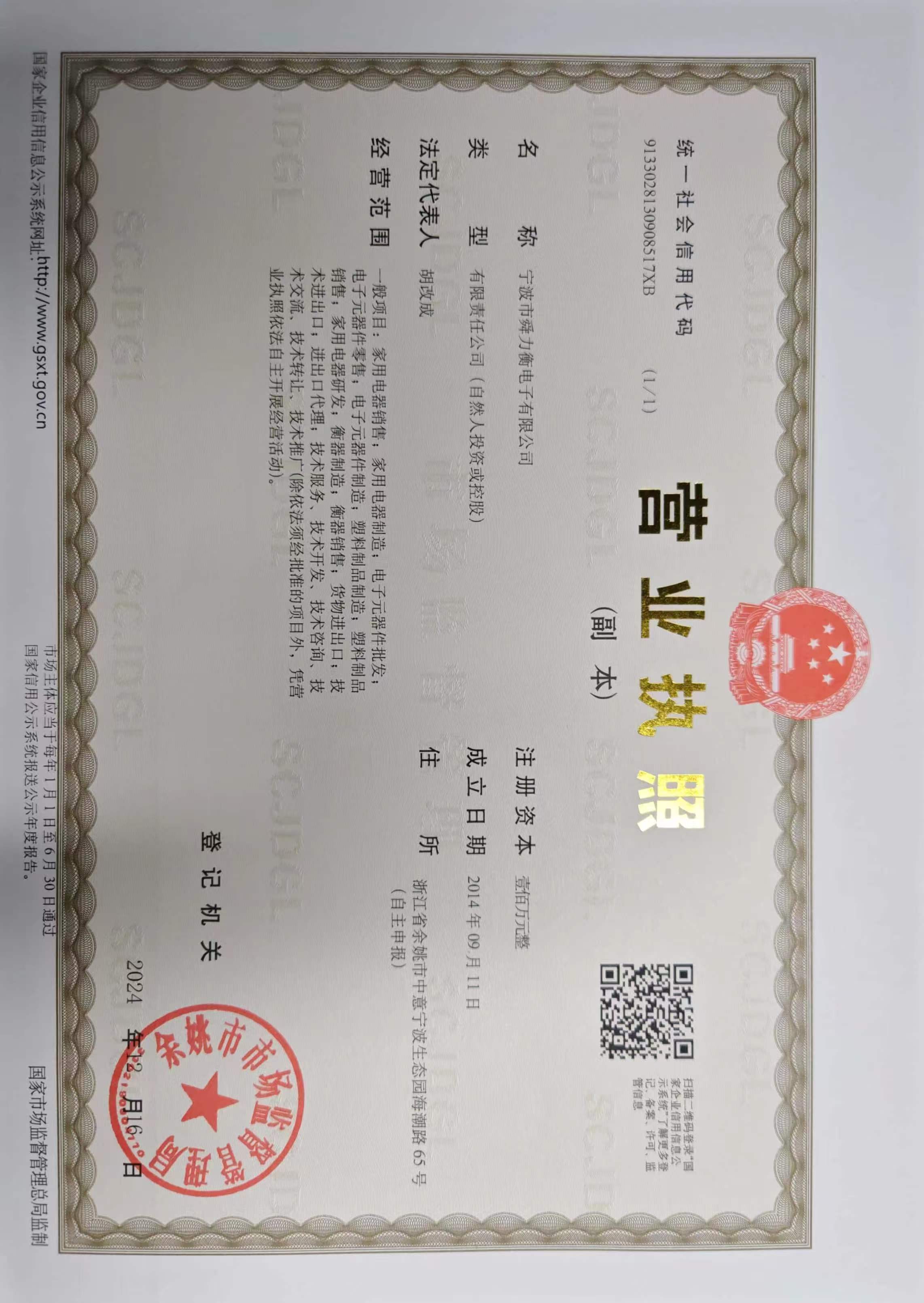
Ningbo Shunliheng Electronics Co., Ltd.
Address: No. 65, Haichao Road, Zhongyi Ningbo Eco-Park, Yuyao City, Zhejiang Province