Product Center
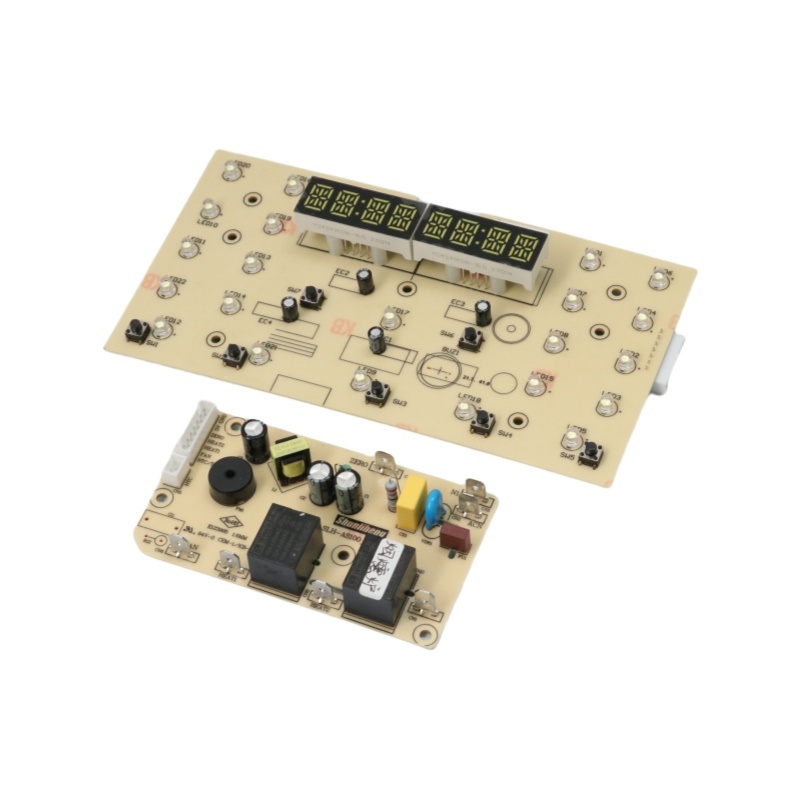
Smoking oven control panel
The company focuses on the R&D, production, and sales of home appliance hardware and software, covering kitchen appliances, smart home, home textile controllers, etc. It also focuses on WIFI/Bluetooth, 5G/6G module applications, empowering smart life with innovative technologies.
Category:
Product Description
**Smoking Oven Control Panel**
In recent years, smoking ovens have gained immense popularity among culinary enthusiasts and professional chefs alike. The ability to infuse food with rich, smoky flavors has transformed the way we prepare and enjoy various dishes. At the heart of this innovation lies the smoking oven control panel, a critical component that allows users to manage and customize the smoking process. This article will explore the various aspects of smoking oven control panels, including their functions, features, and the technology that drives them.
**Understanding the Basics of Smoking Ovens**
Before diving into the intricacies of the control panel, it is essential to understand what a smoking oven is and how it works. A smoking oven is designed to cook food using indirect heat while simultaneously imparting smoky flavors through the use of wood chips or pellets. Unlike traditional ovens, smoking ovens can maintain lower temperatures for extended periods, making them ideal for slow-cooking meats, fish, and vegetables.
The control panel of a smoking oven is the interface through which users interact with the appliance. It allows for precise control over various parameters such as temperature, humidity, and cooking time. Understanding how to use the control panel effectively can significantly enhance the smoking experience and lead to delicious results.
**Key Functions of the Control Panel**
The control panel typically includes several key functions that enable users to tailor their smoking experience. These functions may vary depending on the model and brand of the smoking oven, but the following features are commonly found:
1. **Temperature Control**: One of the most critical functions of the control panel is the ability to set and adjust the cooking temperature. Different types of food require different temperature settings for optimal smoking. For example, poultry may need to be smoked at a lower temperature than beef to achieve the desired tenderness and flavor.
2. **Timer Settings**: Smoking food is a time-consuming process, and the control panel usually includes a timer function that allows users to set the cooking duration. This feature is particularly useful for those who want to achieve specific levels of smokiness or tenderness.
3. **Smoke Generation Control**: Many modern smoking ovens come equipped with a smoke generation feature that allows users to control the amount of smoke produced during the cooking process. This can be adjusted based on personal preference or the type of food being smoked.
4. **Humidity Control**: Some advanced smoking ovens include humidity control settings, which can be crucial for certain types of meats and cheeses. Maintaining the right humidity levels helps to prevent the food from drying out while it absorbs smoke.
5. **Pre-Programmed Settings**: To simplify the smoking process, many control panels offer pre-programmed settings for various types of food. These settings take the guesswork out of smoking by providing recommended temperatures and times for popular items like ribs, brisket, and fish.
**User-Friendly Interface**
A user-friendly interface is essential for any control panel. Many modern smoking oven control panels feature digital displays with intuitive layouts that make it easy for users to navigate through the various functions. Touchscreen controls are becoming increasingly common, allowing for quick adjustments and easy readability. Some models even offer smartphone connectivity, enabling users to monitor and control their smoking ovens remotely.
**Safety Features**
Safety is a paramount concern when using any cooking appliance, and smoking ovens are no exception. The control panel often includes several safety features designed to protect users and prevent accidents. These may include:
1. **Automatic Shut-off**: Many smoking ovens are equipped with an automatic shut-off feature that kicks in after a certain period of inactivity or when the cooking cycle is complete. This helps prevent overheating and potential fire hazards.
2. **Temperature Alerts**: Some control panels come with temperature alerts that notify users if the internal temperature exceeds safe limits. This feature is particularly important for ensuring food safety and preventing overcooking.
3. **Child Lock**: For households with young children, a child lock feature can be a valuable addition. This prevents accidental adjustments to the control panel settings, ensuring that the smoking process remains uninterrupted.
**Maintenance and Troubleshooting**
Like any appliance, smoking ovens require regular maintenance to ensure optimal performance. The control panel plays a role in this as well. Users should familiarize themselves with the cleaning procedures for the control panel, which typically involve wiping down the surface with a damp cloth to remove any spills or residue.
In the event of a malfunction, understanding the common issues associated with smoking oven control panels can help users troubleshoot effectively. Problems such as unresponsive buttons or inaccurate temperature readings can often be resolved by resetting the unit or checking for loose connections.
**Conclusion**
The smoking oven control panel is a vital component that enhances the smoking experience by providing users with the tools they need to achieve flavorful and perfectly cooked dishes. With features such as temperature control, timer settings, and smoke generation control, the control panel empowers both novice and experienced cooks to experiment with smoking techniques. As technology continues to advance, we can expect to see even more innovative features that will further simplify the smoking process and elevate the culinary experience. Whether you are a home cook or a professional chef, mastering the control panel of your smoking oven will undoubtedly lead to delicious results and memorable meals.
**Smoking Oven Control Panel**
In recent years, smoking ovens have gained immense popularity among culinary enthusiasts and professional chefs alike. The ability to infuse food with rich, smoky flavors has transformed the way we prepare and enjoy various dishes. At the heart of this innovation lies the smoking oven control panel, a critical component that allows users to manage and customize the smoking process. This article will explore the various aspects of smoking oven control panels, including their functions, features, and the technology that drives them.
**Understanding the Basics of Smoking Ovens**
Before diving into the intricacies of the control panel, it is essential to understand what a smoking oven is and how it works. A smoking oven is designed to cook food using indirect heat while simultaneously imparting smoky flavors through the use of wood chips or pellets. Unlike traditional ovens, smoking ovens can maintain lower temperatures for extended periods, making them ideal for slow-cooking meats, fish, and vegetables.
The control panel of a smoking oven is the interface through which users interact with the appliance. It allows for precise control over various parameters such as temperature, humidity, and cooking time. Understanding how to use the control panel effectively can significantly enhance the smoking experience and lead to delicious results.
**Key Functions of the Control Panel**
The control panel typically includes several key functions that enable users to tailor their smoking experience. These functions may vary depending on the model and brand of the smoking oven, but the following features are commonly found:
1. **Temperature Control**: One of the most critical functions of the control panel is the ability to set and adjust the cooking temperature. Different types of food require different temperature settings for optimal smoking. For example, poultry may need to be smoked at a lower temperature than beef to achieve the desired tenderness and flavor.
2. **Timer Settings**: Smoking food is a time-consuming process, and the control panel usually includes a timer function that allows users to set the cooking duration. This feature is particularly useful for those who want to achieve specific levels of smokiness or tenderness.
3. **Smoke Generation Control**: Many modern smoking ovens come equipped with a smoke generation feature that allows users to control the amount of smoke produced during the cooking process. This can be adjusted based on personal preference or the type of food being smoked.
4. **Humidity Control**: Some advanced smoking ovens include humidity control settings, which can be crucial for certain types of meats and cheeses. Maintaining the right humidity levels helps to prevent the food from drying out while it absorbs smoke.
5. **Pre-Programmed Settings**: To simplify the smoking process, many control panels offer pre-programmed settings for various types of food. These settings take the guesswork out of smoking by providing recommended temperatures and times for popular items like ribs, brisket, and fish.
**User-Friendly Interface**
A user-friendly interface is essential for any control panel. Many modern smoking oven control panels feature digital displays with intuitive layouts that make it easy for users to navigate through the various functions. Touchscreen controls are becoming increasingly common, allowing for quick adjustments and easy readability. Some models even offer smartphone connectivity, enabling users to monitor and control their smoking ovens remotely.
**Safety Features**
Safety is a paramount concern when using any cooking appliance, and smoking ovens are no exception. The control panel often includes several safety features designed to protect users and prevent accidents. These may include:
1. **Automatic Shut-off**: Many smoking ovens are equipped with an automatic shut-off feature that kicks in after a certain period of inactivity or when the cooking cycle is complete. This helps prevent overheating and potential fire hazards.
2. **Temperature Alerts**: Some control panels come with temperature alerts that notify users if the internal temperature exceeds safe limits. This feature is particularly important for ensuring food safety and preventing overcooking.
3. **Child Lock**: For households with young children, a child lock feature can be a valuable addition. This prevents accidental adjustments to the control panel settings, ensuring that the smoking process remains uninterrupted.
**Maintenance and Troubleshooting**
Like any appliance, smoking ovens require regular maintenance to ensure optimal performance. The control panel plays a role in this as well. Users should familiarize themselves with the cleaning procedures for the control panel, which typically involve wiping down the surface with a damp cloth to remove any spills or residue.
In the event of a malfunction, understanding the common issues associated with smoking oven control panels can help users troubleshoot effectively. Problems such as unresponsive buttons or inaccurate temperature readings can often be resolved by resetting the unit or checking for loose connections.
**Conclusion**
The smoking oven control panel is a vital component that enhances the smoking experience by providing users with the tools they need to achieve flavorful and perfectly cooked dishes. With features such as temperature control, timer settings, and smoke generation control, the control panel empowers both novice and experienced cooks to experiment with smoking techniques. As technology continues to advance, we can expect to see even more innovative features that will further simplify the smoking process and elevate the culinary experience. Whether you are a home cook or a professional chef, mastering the control panel of your smoking oven will undoubtedly lead to delicious results and memorable meals.
Keywords:
Smoking oven


Ningbo Shunliheng Electronics Co., Ltd.
Address: No. 65, Haichao Road, Zhongyi Ningbo Eco-Park, Yuyao City, Zhejiang Province