Product Center
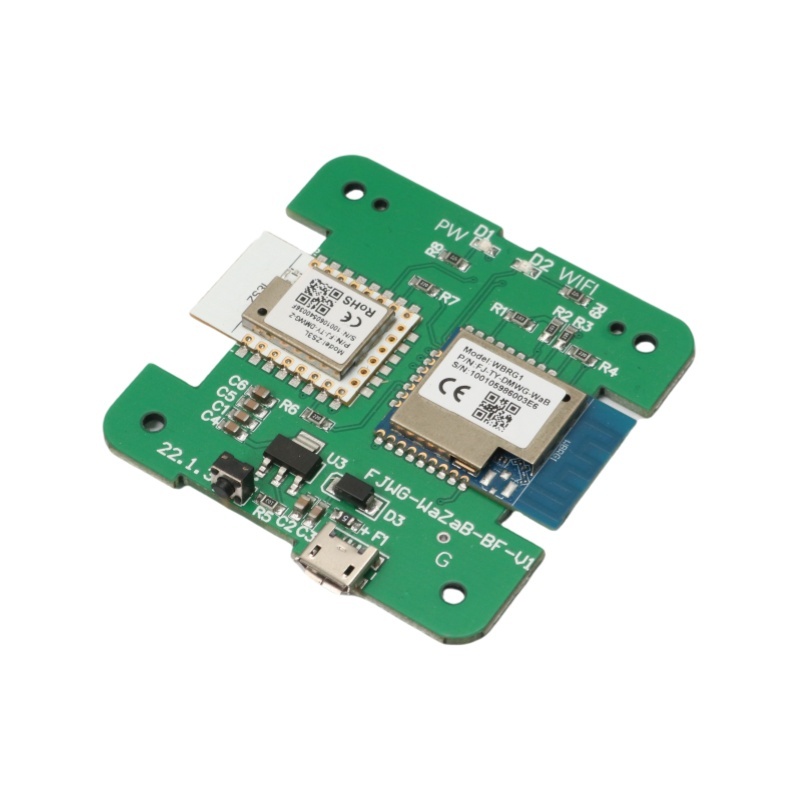
Smart irrigation equipment control board
The company focuses on the R&D, production, and sales of home appliance hardware and software, covering kitchen appliances, smart home, home textile controllers, etc. It also focuses on WIFI/Bluetooth, 5G/6G module applications, empowering smart life with innovative technologies.
Category:
Product Description
**Smart Irrigation Equipment Control Board**
In recent years, the advancement of technology has significantly transformed various sectors, including agriculture. One of the most critical innovations in this field is the development of smart irrigation systems. These systems utilize advanced technology to optimize water usage, ensuring that crops receive the right amount of water at the right time. At the heart of these systems lies the smart irrigation equipment control board, a vital component that integrates various technologies to automate and enhance irrigation practices.
**Understanding Smart Irrigation**
Before delving into the specifics of the control board, it is essential to understand what smart irrigation entails. Traditional irrigation methods often lead to water wastage due to overwatering or inefficient scheduling. In contrast, smart irrigation systems utilize sensors, weather data, and advanced algorithms to determine the precise watering needs of plants. This technology not only conserves water but also promotes healthier crop growth and increases agricultural productivity.
**Role of the Control Board**
The smart irrigation equipment control board serves as the brain of the irrigation system. It acts as a central hub that connects various components, including moisture sensors, weather stations, and valves. By processing data from these sources, the control board can make real-time decisions about when and how much water to deliver to the crops.
**Key Features of the Control Board**
1. **Data Integration**: The control board is equipped with the capability to integrate data from multiple sources. Moisture sensors placed in the soil provide information about the current moisture levels, while weather stations supply data on rainfall and evaporation rates. This integration allows the control board to make informed decisions, ensuring optimal irrigation.
2. **Remote Monitoring and Control**: One of the standout features of modern control boards is the ability to monitor and control the irrigation system remotely. Farmers can access the control board via smartphones or computers, allowing them to make adjustments from anywhere. This feature is particularly beneficial for large agricultural operations, where managing multiple fields can be challenging.
3. **Automated Scheduling**: The control board can automate irrigation schedules based on real-time data. For instance, if rain is forecasted, the system can delay watering, thus conserving water and preventing over-saturation of the soil. This automated scheduling not only saves water but also reduces the labor involved in manual irrigation.
4. **User-Friendly Interface**: Modern control boards come with user-friendly interfaces that make it easy for farmers to interact with the system. Intuitive dashboards display key information, such as soil moisture levels, weather forecasts, and irrigation schedules. This accessibility empowers farmers to make quick decisions and adjustments as needed.
**Benefits of Smart Irrigation Control Boards**
Implementing smart irrigation equipment control boards offers numerous benefits to farmers and the agricultural industry as a whole.
1. **Water Conservation**: The most significant advantage is the conservation of water. By delivering precise amounts of water based on actual needs, smart irrigation systems can reduce water usage by up to 50%. This is especially crucial in regions facing water scarcity.
2. **Increased Crop Yields**: Proper irrigation directly impacts crop health and yield. By ensuring that crops receive the right amount of water at the right time, farmers can enhance growth and improve overall yields. This increase in productivity can lead to higher profits for farmers.
3. **Cost Savings**: Although the initial investment in smart irrigation technology may be higher than traditional methods, the long-term savings can be substantial. Reduced water usage leads to lower water bills, and the automation of irrigation processes can decrease labor costs.
4. **Sustainability**: Smart irrigation contributes to sustainable farming practices. By minimizing water wastage and optimizing resource use, farmers can operate more sustainably, which is increasingly important in today’s environmentally conscious society.
**Challenges and Considerations**
While the benefits of smart irrigation equipment control boards are substantial, there are also challenges that farmers may face when adopting this technology.
1. **Initial Costs**: The upfront costs associated with purchasing and installing smart irrigation systems can be a barrier for some farmers, particularly those operating on smaller scales. However, it is essential to consider the long-term savings and benefits when evaluating these costs.
2. **Technical Expertise**: Farmers may require training to effectively use and maintain smart irrigation systems. This need for technical expertise can be a hurdle for some, particularly in regions with limited access to training resources.
3. **Dependence on Technology**: Relying heavily on technology can be risky. Systems can fail due to power outages, technical malfunctions, or software issues. Farmers must have contingency plans in place to address potential failures.
**Conclusion**
The smart irrigation equipment control board is a revolutionary advancement in agricultural technology. By integrating data from various sources and automating irrigation processes, it offers numerous benefits, including water conservation, increased crop yields, and cost savings. While challenges exist, the potential for sustainable farming practices and improved agricultural productivity makes the adoption of smart irrigation systems an essential step for the future of farming. As technology continues to evolve, the smart irrigation control board will undoubtedly play a crucial role in shaping the future of agriculture, ensuring that we can meet the demands of a growing population while preserving our precious water resources.
**Smart Irrigation Equipment Control Board**
In recent years, the advancement of technology has significantly transformed various sectors, including agriculture. One of the most critical innovations in this field is the development of smart irrigation systems. These systems utilize advanced technology to optimize water usage, ensuring that crops receive the right amount of water at the right time. At the heart of these systems lies the smart irrigation equipment control board, a vital component that integrates various technologies to automate and enhance irrigation practices.
**Understanding Smart Irrigation**
Before delving into the specifics of the control board, it is essential to understand what smart irrigation entails. Traditional irrigation methods often lead to water wastage due to overwatering or inefficient scheduling. In contrast, smart irrigation systems utilize sensors, weather data, and advanced algorithms to determine the precise watering needs of plants. This technology not only conserves water but also promotes healthier crop growth and increases agricultural productivity.
**Role of the Control Board**
The smart irrigation equipment control board serves as the brain of the irrigation system. It acts as a central hub that connects various components, including moisture sensors, weather stations, and valves. By processing data from these sources, the control board can make real-time decisions about when and how much water to deliver to the crops.
**Key Features of the Control Board**
1. **Data Integration**: The control board is equipped with the capability to integrate data from multiple sources. Moisture sensors placed in the soil provide information about the current moisture levels, while weather stations supply data on rainfall and evaporation rates. This integration allows the control board to make informed decisions, ensuring optimal irrigation.
2. **Remote Monitoring and Control**: One of the standout features of modern control boards is the ability to monitor and control the irrigation system remotely. Farmers can access the control board via smartphones or computers, allowing them to make adjustments from anywhere. This feature is particularly beneficial for large agricultural operations, where managing multiple fields can be challenging.
3. **Automated Scheduling**: The control board can automate irrigation schedules based on real-time data. For instance, if rain is forecasted, the system can delay watering, thus conserving water and preventing over-saturation of the soil. This automated scheduling not only saves water but also reduces the labor involved in manual irrigation.
4. **User-Friendly Interface**: Modern control boards come with user-friendly interfaces that make it easy for farmers to interact with the system. Intuitive dashboards display key information, such as soil moisture levels, weather forecasts, and irrigation schedules. This accessibility empowers farmers to make quick decisions and adjustments as needed.
**Benefits of Smart Irrigation Control Boards**
Implementing smart irrigation equipment control boards offers numerous benefits to farmers and the agricultural industry as a whole.
1. **Water Conservation**: The most significant advantage is the conservation of water. By delivering precise amounts of water based on actual needs, smart irrigation systems can reduce water usage by up to 50%. This is especially crucial in regions facing water scarcity.
2. **Increased Crop Yields**: Proper irrigation directly impacts crop health and yield. By ensuring that crops receive the right amount of water at the right time, farmers can enhance growth and improve overall yields. This increase in productivity can lead to higher profits for farmers.
3. **Cost Savings**: Although the initial investment in smart irrigation technology may be higher than traditional methods, the long-term savings can be substantial. Reduced water usage leads to lower water bills, and the automation of irrigation processes can decrease labor costs.
4. **Sustainability**: Smart irrigation contributes to sustainable farming practices. By minimizing water wastage and optimizing resource use, farmers can operate more sustainably, which is increasingly important in today’s environmentally conscious society.
**Challenges and Considerations**
While the benefits of smart irrigation equipment control boards are substantial, there are also challenges that farmers may face when adopting this technology.
1. **Initial Costs**: The upfront costs associated with purchasing and installing smart irrigation systems can be a barrier for some farmers, particularly those operating on smaller scales. However, it is essential to consider the long-term savings and benefits when evaluating these costs.
2. **Technical Expertise**: Farmers may require training to effectively use and maintain smart irrigation systems. This need for technical expertise can be a hurdle for some, particularly in regions with limited access to training resources.
3. **Dependence on Technology**: Relying heavily on technology can be risky. Systems can fail due to power outages, technical malfunctions, or software issues. Farmers must have contingency plans in place to address potential failures.
**Conclusion**
The smart irrigation equipment control board is a revolutionary advancement in agricultural technology. By integrating data from various sources and automating irrigation processes, it offers numerous benefits, including water conservation, increased crop yields, and cost savings. While challenges exist, the potential for sustainable farming practices and improved agricultural productivity makes the adoption of smart irrigation systems an essential step for the future of farming. As technology continues to evolve, the smart irrigation control board will undoubtedly play a crucial role in shaping the future of agriculture, ensuring that we can meet the demands of a growing population while preserving our precious water resources.
Keywords:
Smart irrigation equipment


Ningbo Shunliheng Electronics Co., Ltd.
Address: No. 65, Haichao Road, Zhongyi Ningbo Eco-Park, Yuyao City, Zhejiang Province