Product Center
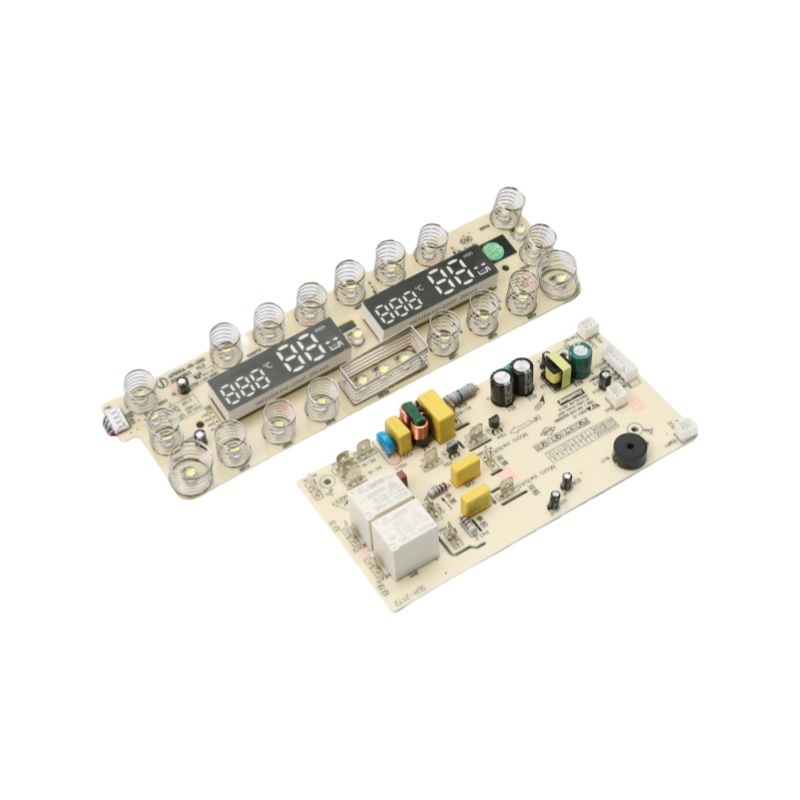
Air fryer control panel
The company focuses on the R&D, production, and sales of home appliance hardware and software, covering kitchen appliances, smart home, home textile controllers, etc. It also focuses on WIFI/Bluetooth, 5G/6G module applications, empowering smart life with innovative technologies.
Category:
Product Description
**Air Fryer Control Panel**
In recent years, air fryers have gained immense popularity in kitchens around the world. These innovative appliances allow users to prepare healthier meals by using hot air circulation to cook food, giving it a crispy texture similar to frying but with significantly less oil. A key component of any air fryer is its control panel, which plays a vital role in determining how effectively the appliance operates. This article will explore the various features of air fryer control panels, their importance, and tips for optimal usage.
**Understanding the Basics**
The control panel of an air fryer is the interface through which users interact with the appliance. It typically consists of buttons, dials, and sometimes a digital display that allows for precise control over cooking settings. Most air fryer control panels include options for temperature settings, cooking time, and various cooking modes. Understanding how to navigate these controls is essential for achieving the desired cooking results.
**Temperature Control**
One of the most critical functions of the air fryer control panel is temperature control. Most models allow users to set temperatures ranging from around 180°F to 400°F (approximately 82°C to 204°C). The ability to adjust the temperature is crucial because different foods require different cooking temperatures for optimal results. For example, vegetables may need lower temperatures to roast perfectly, while meats often benefit from higher temperatures to achieve a crispy exterior.
Users should familiarize themselves with the temperature settings on their specific model. Many air fryers also come with preset temperature options for common foods like chicken wings, fries, and fish. These presets can be incredibly helpful for beginners who may not yet understand the best temperatures for various dishes.
**Time Settings**
In addition to temperature, the cooking time is another essential parameter controlled via the air fryer panel. Cooking times can vary significantly based on the type and quantity of food being prepared. Most air fryers allow users to set cooking times anywhere from a few minutes to over an hour.
It is important to note that many air fryers also have a built-in timer that automatically shuts off the appliance once the cooking time has elapsed. This feature helps prevent overcooking and ensures that meals are cooked to perfection. Users should pay attention to the recommended cooking times for different foods and adjust them based on personal preferences, such as how crispy they want their fries or how well-done they prefer their meat.
**Cooking Modes**
Modern air fryers often come equipped with various cooking modes that cater to different culinary needs. These modes may include options like baking, grilling, roasting, and dehydrating. Each mode adjusts the temperature and cooking time to suit the specific requirements of the selected cooking method.
For instance, the baking mode might use a lower temperature and longer cooking time to ensure even cooking for baked goods, while the grilling mode may employ higher temperatures for a shorter duration to achieve that sought-after grilled flavor. Understanding these modes can significantly enhance the versatility of the air fryer, allowing users to experiment with a broader range of recipes.
**User-Friendly Features**
Many air fryer control panels are designed with user convenience in mind. Some models feature touchscreen controls that are easy to navigate, while others use a combination of buttons and dials. Regardless of the design, the goal is to make the cooking process as straightforward as possible.
Additional features that enhance user experience include pre-programmed cooking functions, which simplify meal preparation by allowing users to select a food type and automatically adjust the settings. Some air fryers even come with recipe books or apps that provide guidance on cooking times and temperatures for various dishes, making it easier for users to explore new culinary adventures.
**Safety Features**
Safety is another critical aspect of air fryer design, and the control panel plays a role in ensuring safe operation. Many air fryers come with built-in safety features, such as automatic shut-off mechanisms that activate if the appliance overheats or if the cooking time exceeds the set limit.
Additionally, some models include cool-touch handles and non-slip feet to prevent accidents during use. Users should always refer to the instruction manual to understand the safety features specific to their air fryer model, ensuring a safe cooking experience.
**Cleaning and Maintenance**
The control panel is not only about functionality; it also requires regular cleaning and maintenance. Food splatters and grease can accumulate on the panel, potentially affecting its performance. Most air fryers have removable parts that are dishwasher safe, making cleanup easier. Users should wipe down the control panel with a damp cloth after each use to keep it clean and functioning properly.
**Conclusion**
The control panel of an air fryer is a vital component that significantly influences the cooking experience. By understanding the various features, including temperature control, time settings, cooking modes, and user-friendly aspects, users can maximize their air fryer’s potential. Safety features also play an essential role in ensuring a worry-free cooking environment. With a little practice and experimentation, anyone can become adept at using their air fryer to create delicious and healthy meals. As air fryers continue to evolve, so too will the technology behind their control panels, making cooking even more accessible and enjoyable for home chefs everywhere.
**Air Fryer Control Panel**
In recent years, air fryers have gained immense popularity in kitchens around the world. These innovative appliances allow users to prepare healthier meals by using hot air circulation to cook food, giving it a crispy texture similar to frying but with significantly less oil. A key component of any air fryer is its control panel, which plays a vital role in determining how effectively the appliance operates. This article will explore the various features of air fryer control panels, their importance, and tips for optimal usage.
**Understanding the Basics**
The control panel of an air fryer is the interface through which users interact with the appliance. It typically consists of buttons, dials, and sometimes a digital display that allows for precise control over cooking settings. Most air fryer control panels include options for temperature settings, cooking time, and various cooking modes. Understanding how to navigate these controls is essential for achieving the desired cooking results.
**Temperature Control**
One of the most critical functions of the air fryer control panel is temperature control. Most models allow users to set temperatures ranging from around 180°F to 400°F (approximately 82°C to 204°C). The ability to adjust the temperature is crucial because different foods require different cooking temperatures for optimal results. For example, vegetables may need lower temperatures to roast perfectly, while meats often benefit from higher temperatures to achieve a crispy exterior.
Users should familiarize themselves with the temperature settings on their specific model. Many air fryers also come with preset temperature options for common foods like chicken wings, fries, and fish. These presets can be incredibly helpful for beginners who may not yet understand the best temperatures for various dishes.
**Time Settings**
In addition to temperature, the cooking time is another essential parameter controlled via the air fryer panel. Cooking times can vary significantly based on the type and quantity of food being prepared. Most air fryers allow users to set cooking times anywhere from a few minutes to over an hour.
It is important to note that many air fryers also have a built-in timer that automatically shuts off the appliance once the cooking time has elapsed. This feature helps prevent overcooking and ensures that meals are cooked to perfection. Users should pay attention to the recommended cooking times for different foods and adjust them based on personal preferences, such as how crispy they want their fries or how well-done they prefer their meat.
**Cooking Modes**
Modern air fryers often come equipped with various cooking modes that cater to different culinary needs. These modes may include options like baking, grilling, roasting, and dehydrating. Each mode adjusts the temperature and cooking time to suit the specific requirements of the selected cooking method.
For instance, the baking mode might use a lower temperature and longer cooking time to ensure even cooking for baked goods, while the grilling mode may employ higher temperatures for a shorter duration to achieve that sought-after grilled flavor. Understanding these modes can significantly enhance the versatility of the air fryer, allowing users to experiment with a broader range of recipes.
**User-Friendly Features**
Many air fryer control panels are designed with user convenience in mind. Some models feature touchscreen controls that are easy to navigate, while others use a combination of buttons and dials. Regardless of the design, the goal is to make the cooking process as straightforward as possible.
Additional features that enhance user experience include pre-programmed cooking functions, which simplify meal preparation by allowing users to select a food type and automatically adjust the settings. Some air fryers even come with recipe books or apps that provide guidance on cooking times and temperatures for various dishes, making it easier for users to explore new culinary adventures.
**Safety Features**
Safety is another critical aspect of air fryer design, and the control panel plays a role in ensuring safe operation. Many air fryers come with built-in safety features, such as automatic shut-off mechanisms that activate if the appliance overheats or if the cooking time exceeds the set limit.
Additionally, some models include cool-touch handles and non-slip feet to prevent accidents during use. Users should always refer to the instruction manual to understand the safety features specific to their air fryer model, ensuring a safe cooking experience.
**Cleaning and Maintenance**
The control panel is not only about functionality; it also requires regular cleaning and maintenance. Food splatters and grease can accumulate on the panel, potentially affecting its performance. Most air fryers have removable parts that are dishwasher safe, making cleanup easier. Users should wipe down the control panel with a damp cloth after each use to keep it clean and functioning properly.
**Conclusion**
The control panel of an air fryer is a vital component that significantly influences the cooking experience. By understanding the various features, including temperature control, time settings, cooking modes, and user-friendly aspects, users can maximize their air fryer’s potential. Safety features also play an essential role in ensuring a worry-free cooking environment. With a little practice and experimentation, anyone can become adept at using their air fryer to create delicious and healthy meals. As air fryers continue to evolve, so too will the technology behind their control panels, making cooking even more accessible and enjoyable for home chefs everywhere.
Keywords:
Air fryer


Ningbo Shunliheng Electronics Co., Ltd.
Address: No. 65, Haichao Road, Zhongyi Ningbo Eco-Park, Yuyao City, Zhejiang Province