Product Center
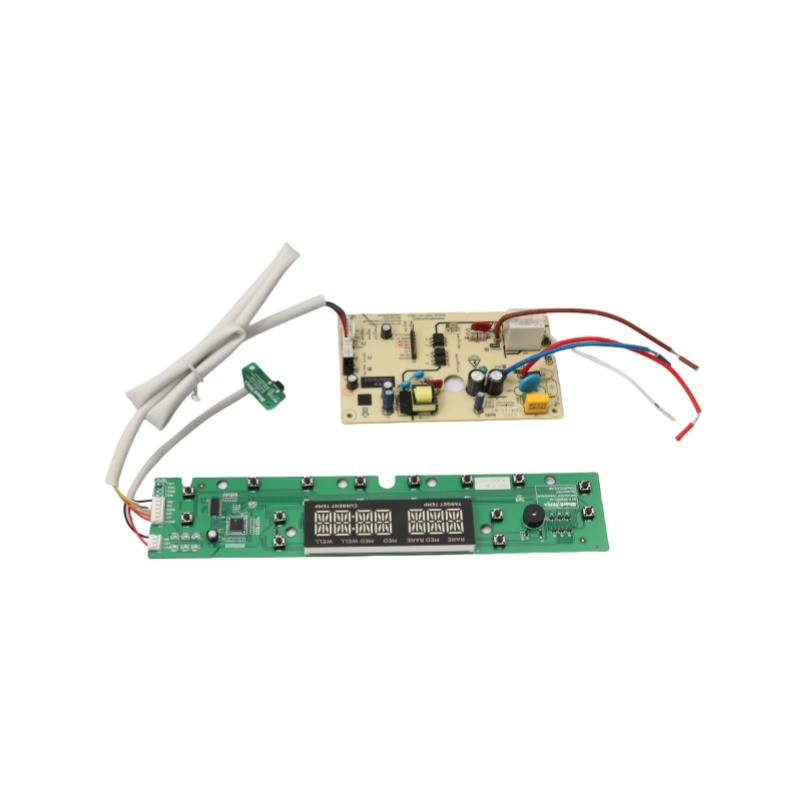
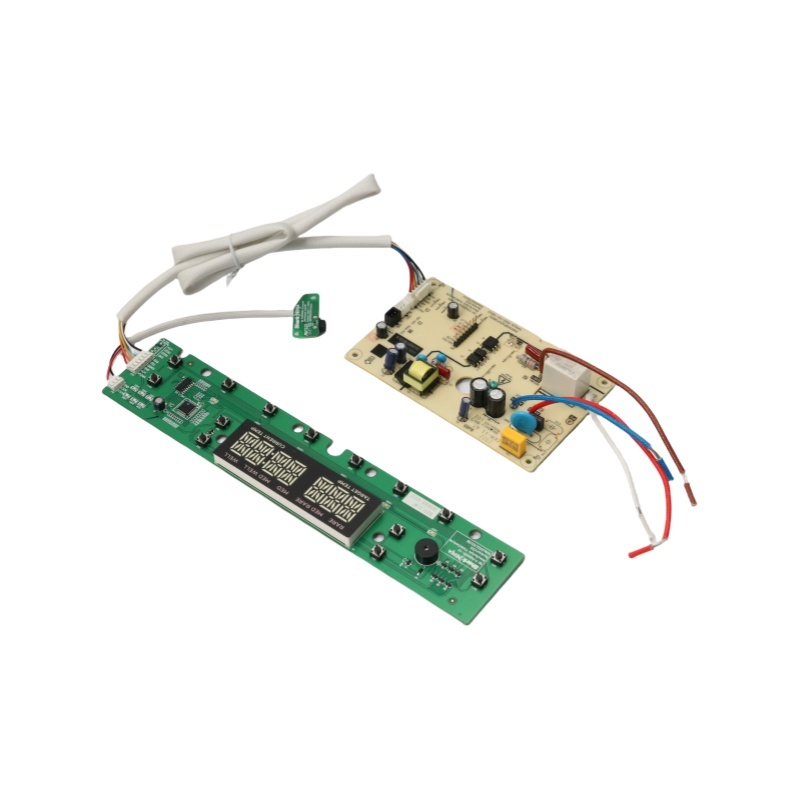
Air fryer control panel
The company focuses on the R&D, production, and sales of home appliance hardware and software, covering kitchen appliances, smart home, home textile controllers, etc. It also focuses on WIFI/Bluetooth, 5G/6G module applications, empowering smart life with innovative technologies.
Category:
Product Description
**Air Fryer Control Panel**
In recent years, air fryers have gained immense popularity in kitchens around the world. These versatile appliances offer a healthier alternative to traditional frying by using hot air to cook food, resulting in crispy textures without the need for excessive oil. One of the key features that enhances the usability of an air fryer is its control panel. Understanding the control panel is essential for maximizing the benefits of your air fryer and achieving perfect cooking results every time.
**Understanding the Basics of the Control Panel**
The control panel of an air fryer typically consists of a variety of buttons and a display screen. The buttons allow users to set cooking times, temperatures, and specific cooking functions. The display screen provides vital information, such as the selected temperature, cooking time remaining, and sometimes even preset cooking modes. Familiarizing yourself with these elements is the first step towards mastering your air fryer.
Most air fryers have a simple interface, making them user-friendly. The buttons are usually clearly labeled, often with symbols representing different functions. For example, there may be buttons for "power," "temperature," "time," and specific cooking presets like "fries," "chicken," or "fish." These presets are particularly useful for beginners, as they provide guidance on optimal cooking times and temperatures for various types of food.
**Setting Temperature and Time**
One of the primary functions of the control panel is to allow users to set the cooking temperature and time. The temperature setting is crucial, as it determines how quickly and evenly the food will cook. Most air fryers have a temperature range between 180°F (82°C) and 400°F (204°C). It’s important to note that different foods require different temperatures for optimal cooking. For example, vegetables may cook best at a lower temperature, while meats often require higher settings to achieve a crispy exterior.
Setting the cooking time is equally important. Most air fryers come with a timer that can range from a few minutes to over an hour, depending on the model. It’s essential to monitor the cooking process, especially when trying out a new recipe. Many air fryers emit a signal when the cooking time is complete, which helps prevent overcooking or burning.
**Utilizing Preset Functions**
Many modern air fryers come equipped with preset cooking functions that simplify the cooking process. These presets are designed to optimize cooking times and temperatures for specific foods. For example, if you want to make French fries, you can simply press the “fries” button, and the air fryer will automatically adjust the temperature and time for that dish.
Using these presets is a great way to save time and ensure consistent results, especially for those who may not be familiar with cooking times and temperatures. However, it’s important to remember that these presets may not always be perfect for your specific model or the quantity of food you are preparing. Adjustments may be necessary based on personal preferences or variations in food size.
**Additional Features of the Control Panel**
Beyond the basic temperature and time settings, many air fryers feature additional functionalities that enhance their versatility. Some models include a “preheat” option, which helps ensure that the air fryer reaches the desired cooking temperature before adding food. This feature can improve cooking results and reduce overall cooking time.
Another common feature is the “shake” reminder, which prompts users to shake or turn their food halfway through the cooking process. This is particularly useful for achieving even cooking and crispiness, especially for items like fries or chicken wings.
Advanced models may also include digital touchscreens, Wi-Fi connectivity, or compatibility with mobile apps. These features allow users to control their air fryer remotely, access a wider range of recipes, and even receive cooking notifications on their smartphones. While these advanced features can be convenient, they may also complicate the user experience for those who prefer a more straightforward approach.
**Cleaning and Maintenance of the Control Panel**
Maintaining the control panel is an essential part of ensuring the longevity and functionality of your air fryer. After each use, it’s a good practice to wipe down the control panel with a damp cloth to remove any food splatters or grease. Avoid using abrasive cleaners or scrubbing pads, as these can damage the surface of the control panel.
In addition to cleaning, it’s important to periodically check for any signs of wear or malfunction. If any buttons become unresponsive or if the display screen shows irregular behavior, it may be time to consult the manufacturer’s guidelines or seek professional repair.
**Conclusion**
The control panel of an air fryer is a vital component that greatly influences the cooking experience. By understanding how to navigate the various settings and functions, users can make the most of their air fryers, preparing delicious and healthier meals with ease. Whether you are a novice cook or a seasoned chef, mastering the control panel will enhance your culinary skills and allow you to explore the full potential of this remarkable kitchen appliance. As air fryers continue to evolve, staying informed about their features will ensure you can take advantage of all the innovations that come with them.
**Air Fryer Control Panel**
In recent years, air fryers have gained immense popularity in kitchens around the world. These versatile appliances offer a healthier alternative to traditional frying by using hot air to cook food, resulting in crispy textures without the need for excessive oil. One of the key features that enhances the usability of an air fryer is its control panel. Understanding the control panel is essential for maximizing the benefits of your air fryer and achieving perfect cooking results every time.
**Understanding the Basics of the Control Panel**
The control panel of an air fryer typically consists of a variety of buttons and a display screen. The buttons allow users to set cooking times, temperatures, and specific cooking functions. The display screen provides vital information, such as the selected temperature, cooking time remaining, and sometimes even preset cooking modes. Familiarizing yourself with these elements is the first step towards mastering your air fryer.
Most air fryers have a simple interface, making them user-friendly. The buttons are usually clearly labeled, often with symbols representing different functions. For example, there may be buttons for "power," "temperature," "time," and specific cooking presets like "fries," "chicken," or "fish." These presets are particularly useful for beginners, as they provide guidance on optimal cooking times and temperatures for various types of food.
**Setting Temperature and Time**
One of the primary functions of the control panel is to allow users to set the cooking temperature and time. The temperature setting is crucial, as it determines how quickly and evenly the food will cook. Most air fryers have a temperature range between 180°F (82°C) and 400°F (204°C). It’s important to note that different foods require different temperatures for optimal cooking. For example, vegetables may cook best at a lower temperature, while meats often require higher settings to achieve a crispy exterior.
Setting the cooking time is equally important. Most air fryers come with a timer that can range from a few minutes to over an hour, depending on the model. It’s essential to monitor the cooking process, especially when trying out a new recipe. Many air fryers emit a signal when the cooking time is complete, which helps prevent overcooking or burning.
**Utilizing Preset Functions**
Many modern air fryers come equipped with preset cooking functions that simplify the cooking process. These presets are designed to optimize cooking times and temperatures for specific foods. For example, if you want to make French fries, you can simply press the “fries” button, and the air fryer will automatically adjust the temperature and time for that dish.
Using these presets is a great way to save time and ensure consistent results, especially for those who may not be familiar with cooking times and temperatures. However, it’s important to remember that these presets may not always be perfect for your specific model or the quantity of food you are preparing. Adjustments may be necessary based on personal preferences or variations in food size.
**Additional Features of the Control Panel**
Beyond the basic temperature and time settings, many air fryers feature additional functionalities that enhance their versatility. Some models include a “preheat” option, which helps ensure that the air fryer reaches the desired cooking temperature before adding food. This feature can improve cooking results and reduce overall cooking time.
Another common feature is the “shake” reminder, which prompts users to shake or turn their food halfway through the cooking process. This is particularly useful for achieving even cooking and crispiness, especially for items like fries or chicken wings.
Advanced models may also include digital touchscreens, Wi-Fi connectivity, or compatibility with mobile apps. These features allow users to control their air fryer remotely, access a wider range of recipes, and even receive cooking notifications on their smartphones. While these advanced features can be convenient, they may also complicate the user experience for those who prefer a more straightforward approach.
**Cleaning and Maintenance of the Control Panel**
Maintaining the control panel is an essential part of ensuring the longevity and functionality of your air fryer. After each use, it’s a good practice to wipe down the control panel with a damp cloth to remove any food splatters or grease. Avoid using abrasive cleaners or scrubbing pads, as these can damage the surface of the control panel.
In addition to cleaning, it’s important to periodically check for any signs of wear or malfunction. If any buttons become unresponsive or if the display screen shows irregular behavior, it may be time to consult the manufacturer’s guidelines or seek professional repair.
**Conclusion**
The control panel of an air fryer is a vital component that greatly influences the cooking experience. By understanding how to navigate the various settings and functions, users can make the most of their air fryers, preparing delicious and healthier meals with ease. Whether you are a novice cook or a seasoned chef, mastering the control panel will enhance your culinary skills and allow you to explore the full potential of this remarkable kitchen appliance. As air fryers continue to evolve, staying informed about their features will ensure you can take advantage of all the innovations that come with them.
Keywords:
Air fryer


Ningbo Shunliheng Electronics Co., Ltd.
Address: No. 65, Haichao Road, Zhongyi Ningbo Eco-Park, Yuyao City, Zhejiang Province