Product Center
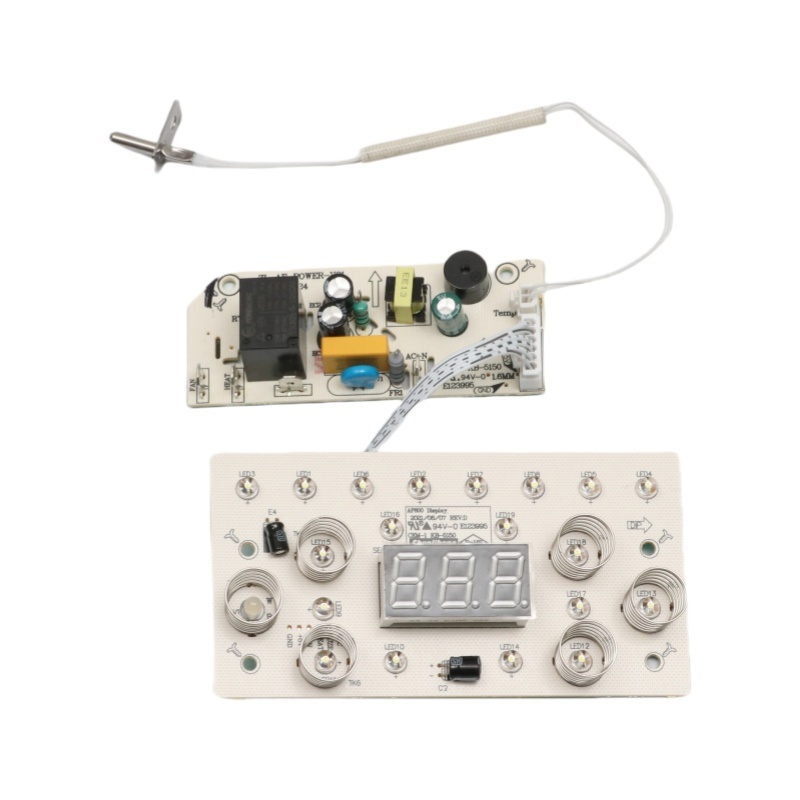
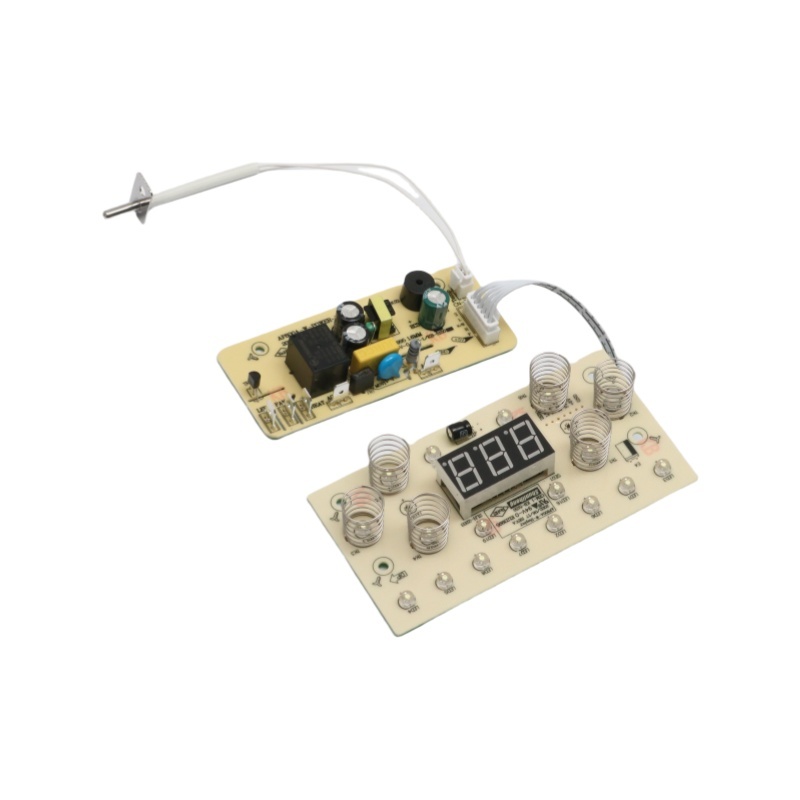
Air fryer control panel
The company focuses on the R&D, production, and sales of home appliance hardware and software, covering kitchen appliances, smart home, home textile controllers, etc. It also focuses on WIFI/Bluetooth, 5G/6G module applications, empowering smart life with innovative technologies.
Category:
Product Description
**Air Fryer Control Panel**
The air fryer has become a popular kitchen appliance, revolutionizing the way we cook. Its ability to fry, bake, grill, and roast with significantly less oil than traditional frying methods makes it a favorite among health-conscious individuals. At the heart of this modern cooking device is the control panel, a feature that can significantly enhance the user experience. In this article, we will explore the various aspects of the air fryer control panel, including its components, functions, and the overall impact on cooking efficiency.
**Understanding the Control Panel**
The control panel of an air fryer is the interface that allows users to set cooking parameters. It typically consists of buttons, dials, or a touchscreen display, depending on the model. The layout and design of the control panel can vary significantly from one brand to another, but the fundamental functions remain similar. Understanding how to navigate this panel is crucial for achieving the best cooking results.
**Key Components of the Control Panel**
1. **Temperature Control**: One of the most critical features of the control panel is the temperature setting. Most air fryers allow users to adjust the cooking temperature between 180°F to 400°F (approximately 82°C to 204°C). This range is essential for different cooking methods and food types. For instance, lower temperatures may be suitable for dehydrating fruits, while higher temperatures are ideal for achieving that crispy texture in fried foods.
2. **Time Setting**: Along with temperature, the time setting is equally important. Most air fryers come with a timer that can range from a few minutes to over an hour. Users can set the cooking time based on the type of food being prepared. The ability to set specific cooking times ensures that meals are cooked to perfection without the risk of overcooking or burning.
3. **Pre-set Cooking Programs**: Many modern air fryers come equipped with pre-set cooking programs for various dishes such as fries, chicken, fish, and baked goods. These programs are designed to take the guesswork out of cooking by automatically adjusting the temperature and time based on the selected food type. The presence of these pre-sets can be particularly beneficial for novice cooks or those looking to save time in the kitchen.
4. **Fan Speed Control**: Some advanced models also include fan speed settings. The fan is responsible for circulating hot air around the food, ensuring even cooking. By adjusting the fan speed, users can achieve different cooking results, such as crispiness or tenderness, depending on their preferences.
5. **Pause and Cancel Functions**: The ability to pause or cancel the cooking process is another valuable feature. If you need to check on your food or make adjustments, this function allows you to do so without losing your settings. It’s a convenient way to ensure that meals are cooked just the way you like them.
**User Experience and Ease of Use**
The design and functionality of the control panel can greatly influence the user experience. A well-designed control panel should be intuitive and easy to navigate. Users should be able to understand how to operate the air fryer without having to refer to the manual constantly. Touchscreen controls, for instance, may offer a sleek and modern appearance, but they can sometimes be less responsive than physical buttons.
Additionally, clear labeling of buttons and icons is crucial. For example, temperature and time controls should be easily identifiable, and pre-set programs should have descriptive labels. This clarity can enhance the cooking experience, making it more enjoyable and less frustrating.
**Safety Features**
Another aspect to consider is the safety features integrated into the control panel. Many air fryers come with an automatic shut-off function, which activates when the cooking time is complete or if the appliance overheats. Some models also include safety locks to prevent accidental opening during operation. Understanding these safety features is essential for ensuring a safe cooking environment, especially in households with children.
**Cleaning and Maintenance**
Maintaining the control panel is also an important consideration. Most air fryers are designed with easy-to-clean surfaces, but the control panel can be a bit trickier. Users should be cautious about spills or food particles getting stuck around buttons or screens. Regularly wiping down the control panel with a damp cloth can help keep it clean and functional. Additionally, ensuring that the control panel is protected from excessive moisture or heat can prolong its lifespan.
**Conclusion**
In conclusion, the air fryer control panel plays a pivotal role in the overall cooking experience. Understanding its components and functions can significantly enhance cooking efficiency and satisfaction. From temperature and time settings to pre-set cooking programs, each element of the control panel contributes to making the air fryer a versatile and user-friendly appliance.
As technology continues to evolve, we can expect even more innovative features in future air fryer models. Whether you are a seasoned chef or a beginner in the kitchen, mastering the control panel will enable you to unlock the full potential of your air fryer, making healthy cooking easier and more enjoyable.
**Air Fryer Control Panel**
The air fryer has become a popular kitchen appliance, revolutionizing the way we cook. Its ability to fry, bake, grill, and roast with significantly less oil than traditional frying methods makes it a favorite among health-conscious individuals. At the heart of this modern cooking device is the control panel, a feature that can significantly enhance the user experience. In this article, we will explore the various aspects of the air fryer control panel, including its components, functions, and the overall impact on cooking efficiency.
**Understanding the Control Panel**
The control panel of an air fryer is the interface that allows users to set cooking parameters. It typically consists of buttons, dials, or a touchscreen display, depending on the model. The layout and design of the control panel can vary significantly from one brand to another, but the fundamental functions remain similar. Understanding how to navigate this panel is crucial for achieving the best cooking results.
**Key Components of the Control Panel**
1. **Temperature Control**: One of the most critical features of the control panel is the temperature setting. Most air fryers allow users to adjust the cooking temperature between 180°F to 400°F (approximately 82°C to 204°C). This range is essential for different cooking methods and food types. For instance, lower temperatures may be suitable for dehydrating fruits, while higher temperatures are ideal for achieving that crispy texture in fried foods.
2. **Time Setting**: Along with temperature, the time setting is equally important. Most air fryers come with a timer that can range from a few minutes to over an hour. Users can set the cooking time based on the type of food being prepared. The ability to set specific cooking times ensures that meals are cooked to perfection without the risk of overcooking or burning.
3. **Pre-set Cooking Programs**: Many modern air fryers come equipped with pre-set cooking programs for various dishes such as fries, chicken, fish, and baked goods. These programs are designed to take the guesswork out of cooking by automatically adjusting the temperature and time based on the selected food type. The presence of these pre-sets can be particularly beneficial for novice cooks or those looking to save time in the kitchen.
4. **Fan Speed Control**: Some advanced models also include fan speed settings. The fan is responsible for circulating hot air around the food, ensuring even cooking. By adjusting the fan speed, users can achieve different cooking results, such as crispiness or tenderness, depending on their preferences.
5. **Pause and Cancel Functions**: The ability to pause or cancel the cooking process is another valuable feature. If you need to check on your food or make adjustments, this function allows you to do so without losing your settings. It’s a convenient way to ensure that meals are cooked just the way you like them.
**User Experience and Ease of Use**
The design and functionality of the control panel can greatly influence the user experience. A well-designed control panel should be intuitive and easy to navigate. Users should be able to understand how to operate the air fryer without having to refer to the manual constantly. Touchscreen controls, for instance, may offer a sleek and modern appearance, but they can sometimes be less responsive than physical buttons.
Additionally, clear labeling of buttons and icons is crucial. For example, temperature and time controls should be easily identifiable, and pre-set programs should have descriptive labels. This clarity can enhance the cooking experience, making it more enjoyable and less frustrating.
**Safety Features**
Another aspect to consider is the safety features integrated into the control panel. Many air fryers come with an automatic shut-off function, which activates when the cooking time is complete or if the appliance overheats. Some models also include safety locks to prevent accidental opening during operation. Understanding these safety features is essential for ensuring a safe cooking environment, especially in households with children.
**Cleaning and Maintenance**
Maintaining the control panel is also an important consideration. Most air fryers are designed with easy-to-clean surfaces, but the control panel can be a bit trickier. Users should be cautious about spills or food particles getting stuck around buttons or screens. Regularly wiping down the control panel with a damp cloth can help keep it clean and functional. Additionally, ensuring that the control panel is protected from excessive moisture or heat can prolong its lifespan.
**Conclusion**
In conclusion, the air fryer control panel plays a pivotal role in the overall cooking experience. Understanding its components and functions can significantly enhance cooking efficiency and satisfaction. From temperature and time settings to pre-set cooking programs, each element of the control panel contributes to making the air fryer a versatile and user-friendly appliance.
As technology continues to evolve, we can expect even more innovative features in future air fryer models. Whether you are a seasoned chef or a beginner in the kitchen, mastering the control panel will enable you to unlock the full potential of your air fryer, making healthy cooking easier and more enjoyable.
Keywords:
Air fryer


Ningbo Shunliheng Electronics Co., Ltd.
Address: No. 65, Haichao Road, Zhongyi Ningbo Eco-Park, Yuyao City, Zhejiang Province