Product Center
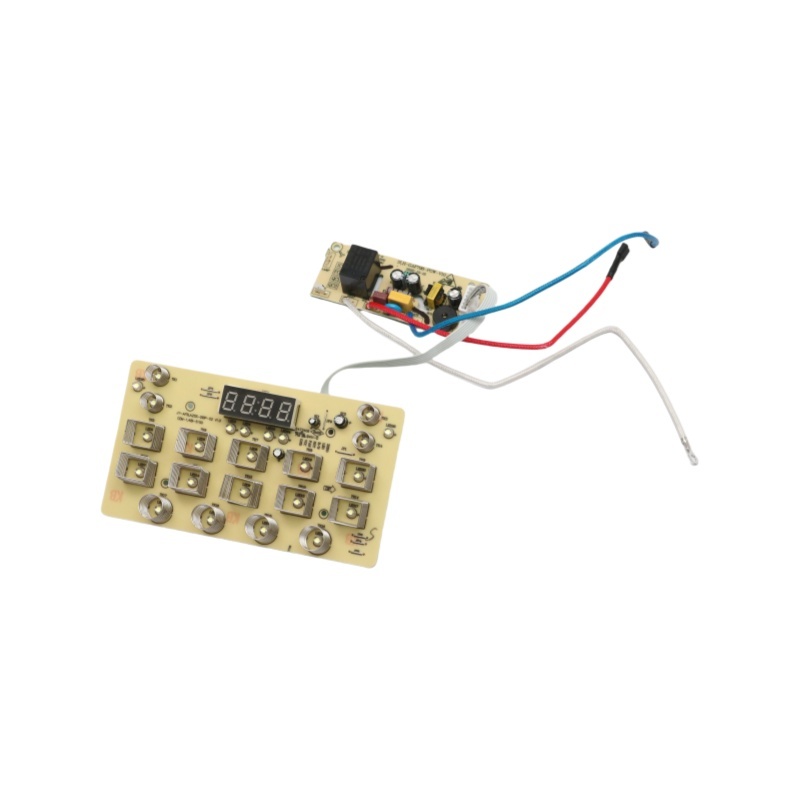
Air fryer control panel
The company focuses on the R&D, production, and sales of home appliance hardware and software, covering kitchen appliances, smart home, home textile controllers, etc. It also focuses on WIFI/Bluetooth, 5G/6G module applications, empowering smart life with innovative technologies.
Category:
Product Description
**Air Fryer Control Panel**
In recent years, air fryers have surged in popularity as a healthier alternative to traditional frying methods. These versatile kitchen appliances allow users to enjoy crispy, delicious meals with significantly less oil. One of the most crucial components of an air fryer is its control panel, which dictates how users interact with the device. This article will delve into the various features of air fryer control panels, their functionalities, and tips for effective usage.
**Understanding the Control Panel Layout**
Air fryer control panels can vary widely depending on the brand and model. However, most panels share a common layout that includes a digital display, control buttons, and sometimes a dial. The digital display typically shows the cooking time, temperature, and cooking mode, while the buttons allow users to adjust these settings. Some advanced models may also feature touch screens for a more modern experience.
The layout is designed to be user-friendly, making it accessible even for those who are not technologically savvy. Common buttons include options for power, temperature adjustment, time setting, and pre-programmed cooking functions. Understanding the layout is the first step in mastering the use of an air fryer.
**Key Features of the Control Panel**
1. **Temperature Control**: One of the most essential features of the control panel is temperature control. Most air fryers allow users to set the cooking temperature, typically ranging from 180°F to 400°F. This flexibility is vital for different cooking methods, whether baking, roasting, or frying. Users can adjust the temperature based on the recipe requirements, ensuring optimal cooking results.
2. **Timer Settings**: The timer is another crucial aspect of the control panel. Most air fryers come equipped with a built-in timer that can be set for various cooking durations. Depending on the model, timers can range from 1 to 60 minutes or even longer. Some air fryers also have an automatic shut-off feature that turns the appliance off once the timer expires, preventing overcooking and ensuring safety.
3. **Pre-Programmed Cooking Functions**: Many modern air fryers include pre-programmed cooking functions that simplify the cooking process. These settings are designed for specific foods such as fries, chicken, or fish. By selecting a pre-programmed function, users can eliminate guesswork, as the air fryer automatically adjusts the temperature and cooking time for optimal results.
4. **Adjustable Fan Speed**: Some advanced air fryers feature adjustable fan speeds, allowing users to control the airflow within the cooking chamber. This feature can be particularly beneficial for delicate foods that require a gentler cooking method. By adjusting the fan speed, users can ensure even cooking without risking damage to their meals.
5. **User-Friendly Interface**: The best air fryer control panels are designed with user experience in mind. Intuitive layouts and clear labeling make it easy for users to navigate through various settings. Additionally, some models come with backlit displays, making it easier to read in low-light conditions.
**Tips for Using the Control Panel Effectively**
1. **Familiarize Yourself with the Functions**: Before using your air fryer, take some time to familiarize yourself with the control panel. Read the user manual to understand the various settings and functions available. Knowing how to navigate the panel will make your cooking experience more enjoyable and efficient.
2. **Start with Pre-Programmed Settings**: If you're new to air frying, consider starting with pre-programmed cooking functions. These settings are designed to take the guesswork out of cooking times and temperatures. Once you gain confidence, you can experiment with manual settings to achieve your desired results.
3. **Adjust Cooking Times for Different Foods**: Different foods may require different cooking times and temperatures. When using the air fryer for the first time with a particular recipe, monitor the cooking progress closely. Adjust the time and temperature as needed based on your preferences and the specific characteristics of the food.
4. **Use the Timer Wisely**: The timer is a valuable tool for preventing overcooking. If you're unsure about the cooking time, start with a shorter duration and check the food periodically. You can always add more time if needed, but it's challenging to salvage overcooked meals.
5. **Clean the Control Panel Regularly**: To ensure the longevity of your air fryer, it's essential to keep the control panel clean. Wipe it down with a damp cloth after each use to remove any food splatters or grease. This practice will help maintain the functionality of the buttons and display.
**Conclusion**
The control panel of an air fryer is a vital component that significantly impacts the cooking experience. By understanding its features and functionalities, users can make the most of this innovative appliance. Whether you're a seasoned cook or a beginner, mastering the control panel will enhance your air frying skills and lead to delicious, healthier meals. As air fryers continue to evolve, staying informed about the latest features and technologies will ensure you are always at the forefront of this culinary trend.
**Air Fryer Control Panel**
In recent years, air fryers have surged in popularity as a healthier alternative to traditional frying methods. These versatile kitchen appliances allow users to enjoy crispy, delicious meals with significantly less oil. One of the most crucial components of an air fryer is its control panel, which dictates how users interact with the device. This article will delve into the various features of air fryer control panels, their functionalities, and tips for effective usage.
**Understanding the Control Panel Layout**
Air fryer control panels can vary widely depending on the brand and model. However, most panels share a common layout that includes a digital display, control buttons, and sometimes a dial. The digital display typically shows the cooking time, temperature, and cooking mode, while the buttons allow users to adjust these settings. Some advanced models may also feature touch screens for a more modern experience.
The layout is designed to be user-friendly, making it accessible even for those who are not technologically savvy. Common buttons include options for power, temperature adjustment, time setting, and pre-programmed cooking functions. Understanding the layout is the first step in mastering the use of an air fryer.
**Key Features of the Control Panel**
1. **Temperature Control**: One of the most essential features of the control panel is temperature control. Most air fryers allow users to set the cooking temperature, typically ranging from 180°F to 400°F. This flexibility is vital for different cooking methods, whether baking, roasting, or frying. Users can adjust the temperature based on the recipe requirements, ensuring optimal cooking results.
2. **Timer Settings**: The timer is another crucial aspect of the control panel. Most air fryers come equipped with a built-in timer that can be set for various cooking durations. Depending on the model, timers can range from 1 to 60 minutes or even longer. Some air fryers also have an automatic shut-off feature that turns the appliance off once the timer expires, preventing overcooking and ensuring safety.
3. **Pre-Programmed Cooking Functions**: Many modern air fryers include pre-programmed cooking functions that simplify the cooking process. These settings are designed for specific foods such as fries, chicken, or fish. By selecting a pre-programmed function, users can eliminate guesswork, as the air fryer automatically adjusts the temperature and cooking time for optimal results.
4. **Adjustable Fan Speed**: Some advanced air fryers feature adjustable fan speeds, allowing users to control the airflow within the cooking chamber. This feature can be particularly beneficial for delicate foods that require a gentler cooking method. By adjusting the fan speed, users can ensure even cooking without risking damage to their meals.
5. **User-Friendly Interface**: The best air fryer control panels are designed with user experience in mind. Intuitive layouts and clear labeling make it easy for users to navigate through various settings. Additionally, some models come with backlit displays, making it easier to read in low-light conditions.
**Tips for Using the Control Panel Effectively**
1. **Familiarize Yourself with the Functions**: Before using your air fryer, take some time to familiarize yourself with the control panel. Read the user manual to understand the various settings and functions available. Knowing how to navigate the panel will make your cooking experience more enjoyable and efficient.
2. **Start with Pre-Programmed Settings**: If you're new to air frying, consider starting with pre-programmed cooking functions. These settings are designed to take the guesswork out of cooking times and temperatures. Once you gain confidence, you can experiment with manual settings to achieve your desired results.
3. **Adjust Cooking Times for Different Foods**: Different foods may require different cooking times and temperatures. When using the air fryer for the first time with a particular recipe, monitor the cooking progress closely. Adjust the time and temperature as needed based on your preferences and the specific characteristics of the food.
4. **Use the Timer Wisely**: The timer is a valuable tool for preventing overcooking. If you're unsure about the cooking time, start with a shorter duration and check the food periodically. You can always add more time if needed, but it's challenging to salvage overcooked meals.
5. **Clean the Control Panel Regularly**: To ensure the longevity of your air fryer, it's essential to keep the control panel clean. Wipe it down with a damp cloth after each use to remove any food splatters or grease. This practice will help maintain the functionality of the buttons and display.
**Conclusion**
The control panel of an air fryer is a vital component that significantly impacts the cooking experience. By understanding its features and functionalities, users can make the most of this innovative appliance. Whether you're a seasoned cook or a beginner, mastering the control panel will enhance your air frying skills and lead to delicious, healthier meals. As air fryers continue to evolve, staying informed about the latest features and technologies will ensure you are always at the forefront of this culinary trend.
Keywords:
Air fryer


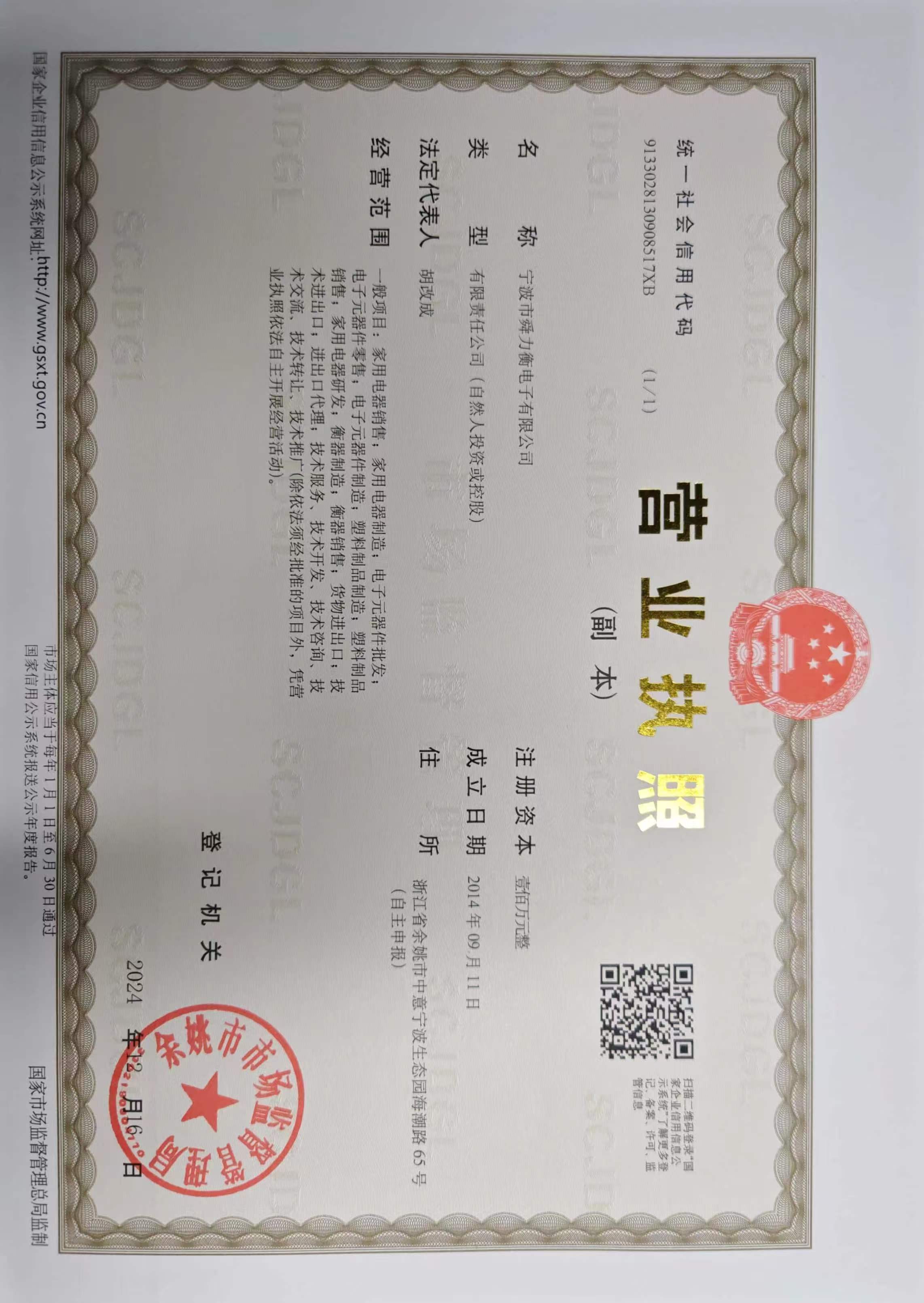
Ningbo Shunliheng Electronics Co., Ltd.
Address: No. 65, Haichao Road, Zhongyi Ningbo Eco-Park, Yuyao City, Zhejiang Province