Product Center
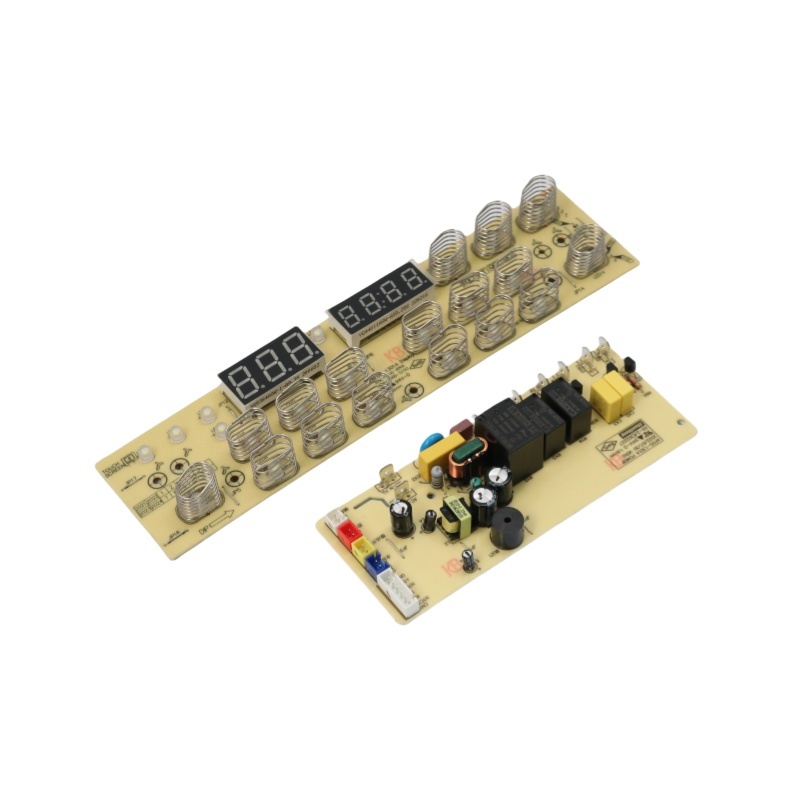
Oven control panel
The company focuses on the R&D, production, and sales of home appliance hardware and software, covering kitchen appliances, smart home, home textile controllers, etc. It also focuses on WIFI/Bluetooth, 5G/6G module applications, empowering smart life with innovative technologies.
Category:
Product Description
**Oven Control Panel**
In the modern kitchen, the oven is an essential appliance that facilitates a wide range of cooking methods, from baking and roasting to broiling and reheating. The oven control panel plays a critical role in how we interact with this appliance. Understanding its features and functionalities can greatly enhance our cooking experience, making it more efficient and enjoyable. This article delves into the various components of the oven control panel, its functionalities, and tips for effective use.
The oven control panel is typically located on the front of the oven, easily accessible for users. It usually features a combination of buttons, dials, and sometimes a digital display. Each element serves a specific purpose, allowing users to select different cooking modes, set temperatures, and program cooking times. The design and layout can vary significantly between different brands and models, but most panels share common features that are essential for operation.
One of the primary components of the oven control panel is the temperature dial or digital temperature setting. This feature allows users to set the desired cooking temperature for their dishes. For traditional ovens, a simple dial may be used, while modern ovens often feature a digital display that allows for precise temperature control. Some advanced models even offer smart technology, enabling users to control the oven remotely through a smartphone app. This innovation adds convenience and flexibility, especially for busy individuals who want to manage their cooking time effectively.
Another important feature of the oven control panel is the cooking mode selection. Most ovens come with various cooking modes such as bake, broil, convection, and sometimes even specialized settings for specific dishes like pizza or bread. Each mode has its unique characteristics. For instance, the bake mode is ideal for cakes and casseroles, while the broil mode is perfect for quickly cooking or browning the top of a dish. Understanding these modes and their applications can significantly impact the quality of the food prepared.
Timers are also a crucial aspect of the oven control panel. A timer allows users to set a specific cooking duration, alerting them when the time is up. This feature is especially useful for dishes that require precise cooking times to achieve optimal results. Some ovens even come with multiple timers, enabling users to manage different dishes simultaneously. Furthermore, many modern ovens offer a delay start feature, allowing users to set the oven to begin cooking at a predetermined time. This is particularly beneficial for busy individuals who want to have a meal ready upon returning home.
The oven control panel may also include features for cleaning and maintenance. Self-cleaning options, for example, allow users to clean the oven interior by utilizing high temperatures to burn off food residues. This feature can save considerable time and effort compared to traditional cleaning methods. Additionally, some panels provide reminders for regular maintenance, ensuring that the oven operates efficiently and safely over time.
For those interested in culinary precision, advanced ovens may include programmable settings that allow users to create custom cooking profiles. This functionality enables individuals to save their preferred cooking times and temperatures for specific recipes, making it easier to replicate successful dishes in the future. The ability to customize settings enhances the overall cooking experience, allowing users to experiment with different techniques and ingredients.
When using the oven control panel, it is essential to read the user manual that comes with the appliance. Each oven model may have unique features and settings, and understanding these can prevent misuse or accidents. Additionally, following safety guidelines is crucial. For instance, users should ensure that the oven is preheated before placing food inside, as this can affect cooking times and the final outcome of the dish.
Another tip for effective use is to familiarize oneself with the oven's hot spots. Ovens may have areas that cook food more quickly than others, and knowing these can help users rotate dishes for even cooking. Using an oven thermometer can also aid in verifying the accuracy of the temperature settings, ensuring that the food is cooked correctly.
In conclusion, the oven control panel is a vital component of any kitchen oven, encompassing various features that enhance cooking efficiency and effectiveness. From temperature settings and cooking modes to timers and cleaning functions, understanding the control panel can transform the cooking experience. By taking the time to learn how to use these features effectively, individuals can improve their culinary skills, make meal preparation more convenient, and ultimately enjoy the art of cooking even more. Whether you are a novice cook or an experienced chef, mastering the oven control panel is an essential step towards creating delicious meals with ease.
**Oven Control Panel**
In the modern kitchen, the oven is an essential appliance that facilitates a wide range of cooking methods, from baking and roasting to broiling and reheating. The oven control panel plays a critical role in how we interact with this appliance. Understanding its features and functionalities can greatly enhance our cooking experience, making it more efficient and enjoyable. This article delves into the various components of the oven control panel, its functionalities, and tips for effective use.
The oven control panel is typically located on the front of the oven, easily accessible for users. It usually features a combination of buttons, dials, and sometimes a digital display. Each element serves a specific purpose, allowing users to select different cooking modes, set temperatures, and program cooking times. The design and layout can vary significantly between different brands and models, but most panels share common features that are essential for operation.
One of the primary components of the oven control panel is the temperature dial or digital temperature setting. This feature allows users to set the desired cooking temperature for their dishes. For traditional ovens, a simple dial may be used, while modern ovens often feature a digital display that allows for precise temperature control. Some advanced models even offer smart technology, enabling users to control the oven remotely through a smartphone app. This innovation adds convenience and flexibility, especially for busy individuals who want to manage their cooking time effectively.
Another important feature of the oven control panel is the cooking mode selection. Most ovens come with various cooking modes such as bake, broil, convection, and sometimes even specialized settings for specific dishes like pizza or bread. Each mode has its unique characteristics. For instance, the bake mode is ideal for cakes and casseroles, while the broil mode is perfect for quickly cooking or browning the top of a dish. Understanding these modes and their applications can significantly impact the quality of the food prepared.
Timers are also a crucial aspect of the oven control panel. A timer allows users to set a specific cooking duration, alerting them when the time is up. This feature is especially useful for dishes that require precise cooking times to achieve optimal results. Some ovens even come with multiple timers, enabling users to manage different dishes simultaneously. Furthermore, many modern ovens offer a delay start feature, allowing users to set the oven to begin cooking at a predetermined time. This is particularly beneficial for busy individuals who want to have a meal ready upon returning home.
The oven control panel may also include features for cleaning and maintenance. Self-cleaning options, for example, allow users to clean the oven interior by utilizing high temperatures to burn off food residues. This feature can save considerable time and effort compared to traditional cleaning methods. Additionally, some panels provide reminders for regular maintenance, ensuring that the oven operates efficiently and safely over time.
For those interested in culinary precision, advanced ovens may include programmable settings that allow users to create custom cooking profiles. This functionality enables individuals to save their preferred cooking times and temperatures for specific recipes, making it easier to replicate successful dishes in the future. The ability to customize settings enhances the overall cooking experience, allowing users to experiment with different techniques and ingredients.
When using the oven control panel, it is essential to read the user manual that comes with the appliance. Each oven model may have unique features and settings, and understanding these can prevent misuse or accidents. Additionally, following safety guidelines is crucial. For instance, users should ensure that the oven is preheated before placing food inside, as this can affect cooking times and the final outcome of the dish.
Another tip for effective use is to familiarize oneself with the oven's hot spots. Ovens may have areas that cook food more quickly than others, and knowing these can help users rotate dishes for even cooking. Using an oven thermometer can also aid in verifying the accuracy of the temperature settings, ensuring that the food is cooked correctly.
In conclusion, the oven control panel is a vital component of any kitchen oven, encompassing various features that enhance cooking efficiency and effectiveness. From temperature settings and cooking modes to timers and cleaning functions, understanding the control panel can transform the cooking experience. By taking the time to learn how to use these features effectively, individuals can improve their culinary skills, make meal preparation more convenient, and ultimately enjoy the art of cooking even more. Whether you are a novice cook or an experienced chef, mastering the oven control panel is an essential step towards creating delicious meals with ease.
Keywords:
oven


Ningbo Shunliheng Electronics Co., Ltd.
Address: No. 65, Haichao Road, Zhongyi Ningbo Eco-Park, Yuyao City, Zhejiang Province