Product Center
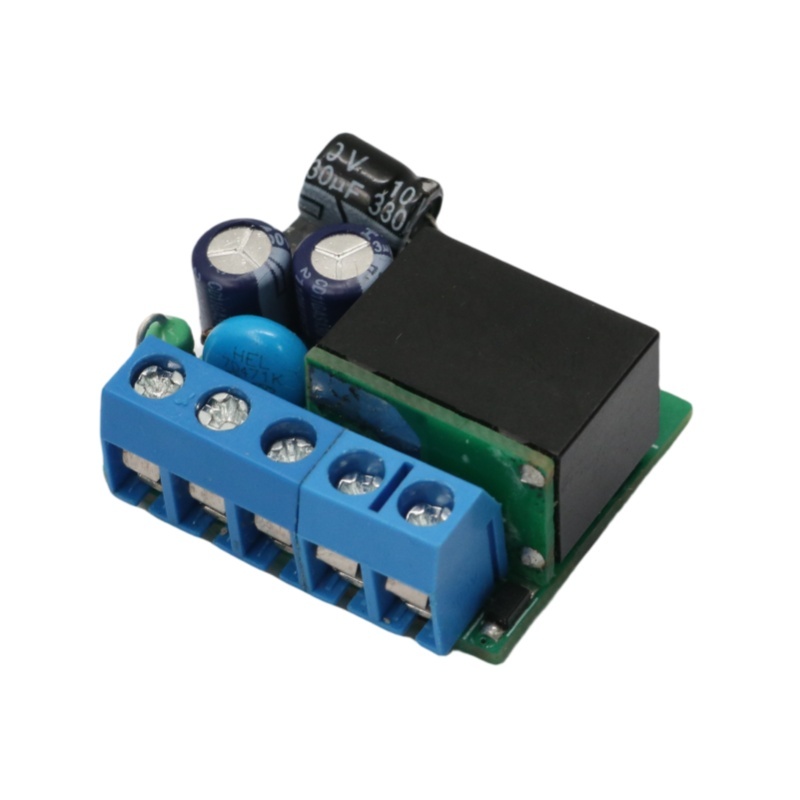
Protector
The company focuses on the R&D, production, and sales of home appliance hardware and software, covering kitchen appliances, smart home, home textile controllers, etc. It also focuses on WIFI/Bluetooth, 5G/6G module applications, empowering smart life with innovative technologies.
Category:
Product Description
**Protector**
In a world filled with uncertainties and dangers, the concept of a protector holds immense significance. A protector is not just a physical guardian but embodies the essence of safeguarding, nurturing, and ensuring the well-being of others. This article delves into the various dimensions of protection, examining the roles of protectors in different contexts, the qualities that define them, and the importance of fostering a protective environment in our communities.
The role of a protector can be observed in various spheres of life. In families, parents often assume the role of protectors, shielding their children from harm and guiding them through the complexities of life. They provide emotional support, instill values, and create a safe haven where children can thrive. Similarly, in friendships, individuals often take on the mantle of protector, standing up for one another during challenging times, offering a listening ear, and providing comfort. This mutual protection fosters deeper connections and strengthens the bonds of trust.
In a broader societal context, protectors can be found in law enforcement, military personnel, and community leaders. These individuals dedicate their lives to safeguarding others, often putting themselves at risk for the greater good. Their commitment to protecting the vulnerable and maintaining peace is vital for a functioning society. However, the role of a protector is not without its challenges. The balance between enforcing laws and respecting individual rights can be delicate, and protectors must navigate these complexities with integrity and empathy.
Qualities that define an effective protector include courage, empathy, and resilience. Courage is essential, as protectors often face situations that require them to confront danger or injustice. This bravery is not merely the absence of fear but the willingness to act despite it. Empathy allows protectors to understand the feelings and experiences of those they safeguard, enabling them to respond appropriately and compassionately. Resilience is equally important, as protectors may encounter setbacks and challenges in their efforts to protect others. The ability to bounce back and continue their mission is a hallmark of a true protector.
In addition to individual protectors, communities can also serve as protective entities. A supportive community fosters an environment where individuals feel safe and valued. Initiatives such as neighborhood watch programs, support groups, and community outreach efforts exemplify collective protection. When people come together to support one another, they create a strong safety net that can significantly reduce vulnerability and promote well-being.
Moreover, the digital age has introduced new dimensions to the concept of protection. With the rise of the internet and social media, online safety has become a pressing concern. Cyberbullying, identity theft, and online harassment are some of the threats individuals face in the digital realm. In this context, digital protectors emerge, including parents who monitor their children's online activities, educators who teach digital literacy, and tech companies that implement security measures. The responsibility of protection has expanded, requiring vigilance and proactive measures to ensure safety in both physical and virtual spaces.
While the role of a protector is crucial, it is equally important to empower individuals to protect themselves. Self-defense education, mental health resources, and life skills training can equip individuals with the tools they need to navigate challenges independently. By fostering resilience and self-efficacy, communities can cultivate a culture of empowerment where individuals feel capable of protecting themselves and others.
The concept of protection extends beyond the individual and societal levels; it also encompasses the environment. Environmental protectors advocate for the preservation of natural resources, biodiversity, and ecosystems. Their efforts are vital in combating climate change and ensuring a sustainable future for generations to come. This form of protection underscores the interconnectedness of all living beings and the responsibility we share in safeguarding our planet.
In conclusion, the role of a protector is multifaceted and vital in various contexts. Whether it is a parent safeguarding their child, a law enforcement officer ensuring public safety, or an environmental advocate fighting for the planet, protectors play a crucial role in fostering security and well-being. By embodying qualities such as courage, empathy, and resilience, they inspire others to engage in protective actions. Moreover, the collective efforts of communities and the empowerment of individuals further enhance the protective framework that supports a thriving society. As we navigate the complexities of modern life, recognizing and valuing the role of protectors can lead to a more compassionate and secure world for all.
**Protector**
In a world filled with uncertainties and dangers, the concept of a protector holds immense significance. A protector is not just a physical guardian but embodies the essence of safeguarding, nurturing, and ensuring the well-being of others. This article delves into the various dimensions of protection, examining the roles of protectors in different contexts, the qualities that define them, and the importance of fostering a protective environment in our communities.
The role of a protector can be observed in various spheres of life. In families, parents often assume the role of protectors, shielding their children from harm and guiding them through the complexities of life. They provide emotional support, instill values, and create a safe haven where children can thrive. Similarly, in friendships, individuals often take on the mantle of protector, standing up for one another during challenging times, offering a listening ear, and providing comfort. This mutual protection fosters deeper connections and strengthens the bonds of trust.
In a broader societal context, protectors can be found in law enforcement, military personnel, and community leaders. These individuals dedicate their lives to safeguarding others, often putting themselves at risk for the greater good. Their commitment to protecting the vulnerable and maintaining peace is vital for a functioning society. However, the role of a protector is not without its challenges. The balance between enforcing laws and respecting individual rights can be delicate, and protectors must navigate these complexities with integrity and empathy.
Qualities that define an effective protector include courage, empathy, and resilience. Courage is essential, as protectors often face situations that require them to confront danger or injustice. This bravery is not merely the absence of fear but the willingness to act despite it. Empathy allows protectors to understand the feelings and experiences of those they safeguard, enabling them to respond appropriately and compassionately. Resilience is equally important, as protectors may encounter setbacks and challenges in their efforts to protect others. The ability to bounce back and continue their mission is a hallmark of a true protector.
In addition to individual protectors, communities can also serve as protective entities. A supportive community fosters an environment where individuals feel safe and valued. Initiatives such as neighborhood watch programs, support groups, and community outreach efforts exemplify collective protection. When people come together to support one another, they create a strong safety net that can significantly reduce vulnerability and promote well-being.
Moreover, the digital age has introduced new dimensions to the concept of protection. With the rise of the internet and social media, online safety has become a pressing concern. Cyberbullying, identity theft, and online harassment are some of the threats individuals face in the digital realm. In this context, digital protectors emerge, including parents who monitor their children's online activities, educators who teach digital literacy, and tech companies that implement security measures. The responsibility of protection has expanded, requiring vigilance and proactive measures to ensure safety in both physical and virtual spaces.
While the role of a protector is crucial, it is equally important to empower individuals to protect themselves. Self-defense education, mental health resources, and life skills training can equip individuals with the tools they need to navigate challenges independently. By fostering resilience and self-efficacy, communities can cultivate a culture of empowerment where individuals feel capable of protecting themselves and others.
The concept of protection extends beyond the individual and societal levels; it also encompasses the environment. Environmental protectors advocate for the preservation of natural resources, biodiversity, and ecosystems. Their efforts are vital in combating climate change and ensuring a sustainable future for generations to come. This form of protection underscores the interconnectedness of all living beings and the responsibility we share in safeguarding our planet.
In conclusion, the role of a protector is multifaceted and vital in various contexts. Whether it is a parent safeguarding their child, a law enforcement officer ensuring public safety, or an environmental advocate fighting for the planet, protectors play a crucial role in fostering security and well-being. By embodying qualities such as courage, empathy, and resilience, they inspire others to engage in protective actions. Moreover, the collective efforts of communities and the empowerment of individuals further enhance the protective framework that supports a thriving society. As we navigate the complexities of modern life, recognizing and valuing the role of protectors can lead to a more compassionate and secure world for all.
Keywords:
Protector


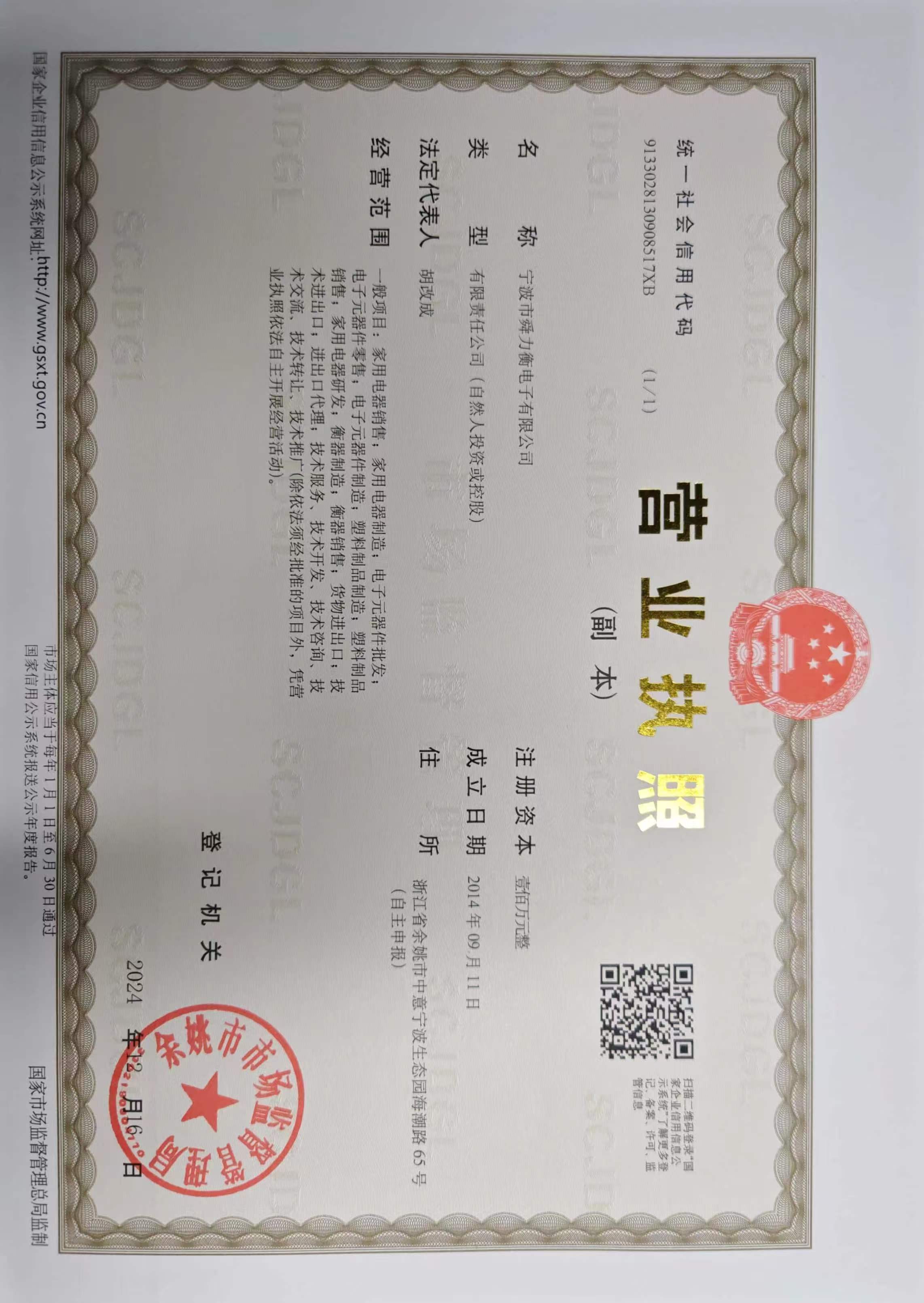
Ningbo Shunliheng Electronics Co., Ltd.
Address: No. 65, Haichao Road, Zhongyi Ningbo Eco-Park, Yuyao City, Zhejiang Province