Product Center
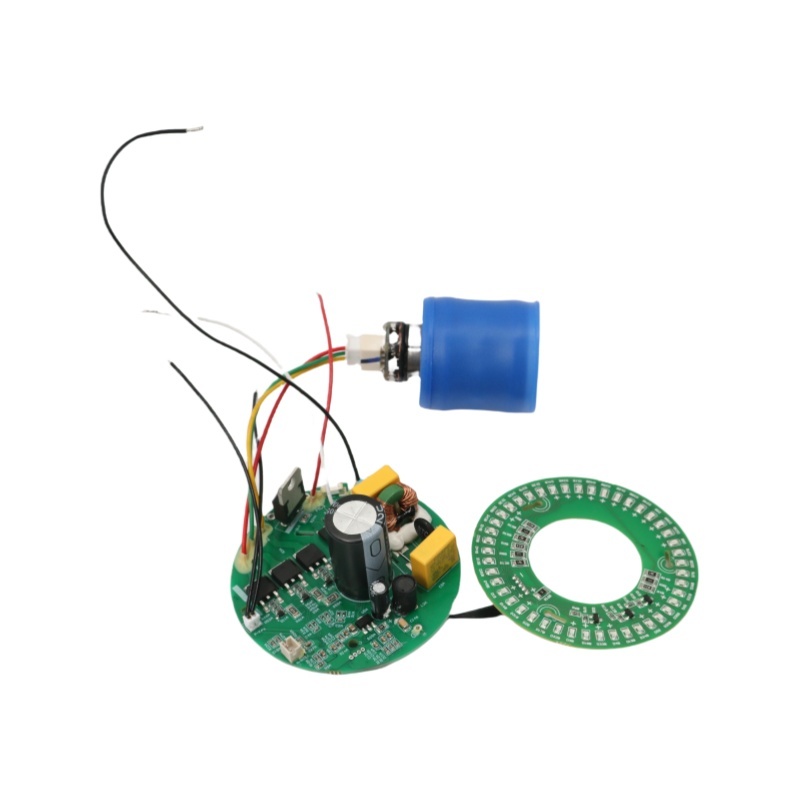
Hair dryer control panel
The company focuses on the R&D, production, and sales of home appliance hardware and software, covering kitchen appliances, smart home, home textile controllers, etc. It also focuses on WIFI/Bluetooth, 5G/6G module applications, empowering smart life with innovative technologies.
Category:
Product Description
**Hair Dryer Control Panel**
In the realm of personal grooming, the hair dryer stands out as an essential tool for achieving a polished look. Its control panel, often overlooked, plays a crucial role in the functionality and versatility of the device. Understanding the features and functions of a hair dryer control panel can significantly enhance the user experience, allowing individuals to tailor their styling routine to meet their specific hair needs.
**Basic Components of the Control Panel**
At first glance, the control panel of a hair dryer may appear simple, but it typically consists of several key components. The most prominent features include the power button, heat settings, speed settings, and sometimes additional buttons for specialized functions.
The power button is the most fundamental aspect of the control panel. It allows the user to turn the device on and off. Next, the heat settings are critical for achieving different styling results. Most hair dryers come with at least two heat settings: low and high. Some advanced models offer a third setting, often referred to as "cool." The cool setting is particularly beneficial for setting hairstyles, as it helps to lock in the style while reducing frizz.
Speed settings are another important feature found on the control panel. These typically range from low to high, allowing users to control the airflow. A lower speed setting is ideal for fine or fragile hair, while a higher setting is more suitable for thick or coarse hair that requires more drying power.
**Specialized Features**
As technology advances, many hair dryers now come equipped with specialized features that enhance their usability. These features are often accessible through the control panel and can make a significant difference in the drying and styling process.
One popular addition is the ionization feature, which helps to reduce static and frizz by emitting negative ions during the drying process. This is particularly beneficial for individuals with curly or frizzy hair, as it promotes smoother, shinier results. Some hair dryers even have a dedicated button for activating the ionization feature, allowing users to switch it on or off based on their preferences.
Another innovative feature found on some control panels is the temperature control sensor. This technology automatically adjusts the heat output based on the moisture level of the hair, preventing overheating and damage. This is especially important for those who regularly use heat styling tools, as it helps maintain hair health over time.
**User-Friendly Design**
The layout of the control panel is also essential for ease of use. Many modern hair dryers feature ergonomic designs that place buttons within easy reach, allowing users to make adjustments without interrupting their styling routine. This is particularly important for individuals who multitask while drying their hair, as they can quickly switch between settings without losing focus.
Additionally, some hair dryers incorporate LED indicators or digital displays on their control panels. These features provide clear feedback about the current settings, making it easier for users to understand and adjust their preferences. A well-designed control panel should not only be functional but also intuitive, enhancing the overall user experience.
**Maintenance and Care**
While the control panel of a hair dryer is designed for durability, regular maintenance is essential to ensure its longevity. Users should periodically check for any debris or hair that may accumulate around the buttons or vents, as this can interfere with functionality.
Cleaning the control panel should be done gently, using a soft cloth and mild cleaning solution if necessary. Avoid using harsh chemicals or abrasive materials, as these can damage the surface and affect the performance of the buttons.
**Conclusion**
In summary, the control panel of a hair dryer is a vital component that significantly impacts the user experience. By understanding the various features and functions available, users can make informed choices that enhance their hair drying and styling routine. From basic controls to specialized features, a well-designed control panel not only improves usability but also contributes to healthier hair.
As technology continues to evolve, we can expect to see even more innovative features integrated into hair dryer control panels, further enhancing the way we care for our hair. Whether you are a casual user or a styling enthusiast, taking the time to familiarize yourself with your hair dryer’s control panel can lead to better results and a more enjoyable grooming experience.
**Hair Dryer Control Panel**
In the realm of personal grooming, the hair dryer stands out as an essential tool for achieving a polished look. Its control panel, often overlooked, plays a crucial role in the functionality and versatility of the device. Understanding the features and functions of a hair dryer control panel can significantly enhance the user experience, allowing individuals to tailor their styling routine to meet their specific hair needs.
**Basic Components of the Control Panel**
At first glance, the control panel of a hair dryer may appear simple, but it typically consists of several key components. The most prominent features include the power button, heat settings, speed settings, and sometimes additional buttons for specialized functions.
The power button is the most fundamental aspect of the control panel. It allows the user to turn the device on and off. Next, the heat settings are critical for achieving different styling results. Most hair dryers come with at least two heat settings: low and high. Some advanced models offer a third setting, often referred to as "cool." The cool setting is particularly beneficial for setting hairstyles, as it helps to lock in the style while reducing frizz.
Speed settings are another important feature found on the control panel. These typically range from low to high, allowing users to control the airflow. A lower speed setting is ideal for fine or fragile hair, while a higher setting is more suitable for thick or coarse hair that requires more drying power.
**Specialized Features**
As technology advances, many hair dryers now come equipped with specialized features that enhance their usability. These features are often accessible through the control panel and can make a significant difference in the drying and styling process.
One popular addition is the ionization feature, which helps to reduce static and frizz by emitting negative ions during the drying process. This is particularly beneficial for individuals with curly or frizzy hair, as it promotes smoother, shinier results. Some hair dryers even have a dedicated button for activating the ionization feature, allowing users to switch it on or off based on their preferences.
Another innovative feature found on some control panels is the temperature control sensor. This technology automatically adjusts the heat output based on the moisture level of the hair, preventing overheating and damage. This is especially important for those who regularly use heat styling tools, as it helps maintain hair health over time.
**User-Friendly Design**
The layout of the control panel is also essential for ease of use. Many modern hair dryers feature ergonomic designs that place buttons within easy reach, allowing users to make adjustments without interrupting their styling routine. This is particularly important for individuals who multitask while drying their hair, as they can quickly switch between settings without losing focus.
Additionally, some hair dryers incorporate LED indicators or digital displays on their control panels. These features provide clear feedback about the current settings, making it easier for users to understand and adjust their preferences. A well-designed control panel should not only be functional but also intuitive, enhancing the overall user experience.
**Maintenance and Care**
While the control panel of a hair dryer is designed for durability, regular maintenance is essential to ensure its longevity. Users should periodically check for any debris or hair that may accumulate around the buttons or vents, as this can interfere with functionality.
Cleaning the control panel should be done gently, using a soft cloth and mild cleaning solution if necessary. Avoid using harsh chemicals or abrasive materials, as these can damage the surface and affect the performance of the buttons.
**Conclusion**
In summary, the control panel of a hair dryer is a vital component that significantly impacts the user experience. By understanding the various features and functions available, users can make informed choices that enhance their hair drying and styling routine. From basic controls to specialized features, a well-designed control panel not only improves usability but also contributes to healthier hair.
As technology continues to evolve, we can expect to see even more innovative features integrated into hair dryer control panels, further enhancing the way we care for our hair. Whether you are a casual user or a styling enthusiast, taking the time to familiarize yourself with your hair dryer’s control panel can lead to better results and a more enjoyable grooming experience.
Keywords:
Hair dryer


Ningbo Shunliheng Electronics Co., Ltd.
Address: No. 65, Haichao Road, Zhongyi Ningbo Eco-Park, Yuyao City, Zhejiang Province