
Product Center
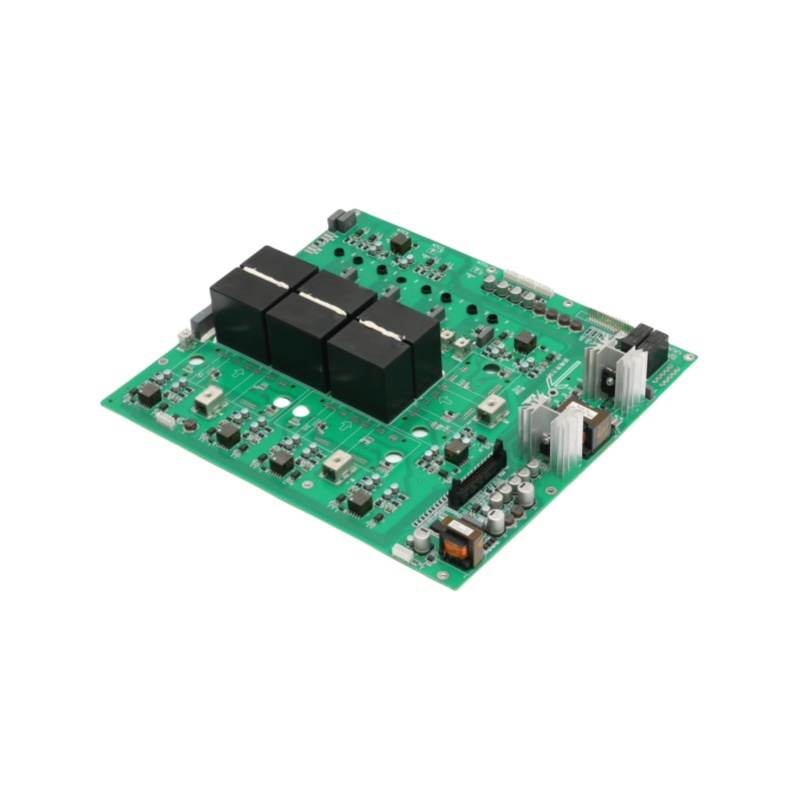
Photovoltaic panels
The company focuses on the R&D, production, and sales of home appliance hardware and software, covering kitchen appliances, smart home, home textile controllers, etc. It also focuses on WIFI/Bluetooth, 5G/6G module applications, empowering smart life with innovative technologies.
Category:
Product Description
**Photovoltaic Panels**
In recent years, the demand for renewable energy sources has surged, and among these, photovoltaic (PV) panels have emerged as a leading technology for harnessing solar energy. Photovoltaic panels convert sunlight directly into electricity, providing a sustainable and eco-friendly alternative to fossil fuels. This article will explore the workings of photovoltaic panels, their benefits, challenges, and the future of solar energy.
**How Photovoltaic Panels Work**
Photovoltaic panels are composed of many solar cells, which are typically made from silicon. When sunlight strikes these solar cells, it excites electrons, creating an electric current. This phenomenon is known as the photovoltaic effect. The basic components of a PV panel include the solar cells, a protective layer, a backing material, and an inverter.
The solar cells are arranged in a grid-like pattern and are encapsulated between layers of glass and plastic to protect them from environmental factors. The inverter plays a crucial role by converting the direct current (DC) produced by the solar cells into alternating current (AC), which is the standard form of electricity used in homes and businesses.
**Benefits of Photovoltaic Panels**
The advantages of photovoltaic panels are numerous. First and foremost, they provide a clean source of energy. Unlike traditional energy sources such as coal and natural gas, PV panels generate electricity without emitting greenhouse gases, thereby contributing to the reduction of global warming.
Moreover, the installation of photovoltaic panels can lead to significant cost savings. While the initial investment may be substantial, the long-term savings on electricity bills can be considerable. Many governments also offer incentives, such as tax credits and rebates, to encourage the adoption of solar energy, making it more financially accessible.
In addition, photovoltaic panels can increase energy independence. By generating their own electricity, homeowners and businesses can reduce their reliance on the grid and protect themselves from fluctuating energy prices. This self-sufficiency can be particularly advantageous in remote areas where access to traditional power sources is limited.
**Challenges Facing Photovoltaic Technology**
Despite their many benefits, photovoltaic panels are not without challenges. One of the primary concerns is the intermittency of solar energy. Solar power generation is dependent on sunlight, which means that energy production can fluctuate based on weather conditions and time of day. This intermittency necessitates the development of energy storage solutions, such as batteries, to ensure a consistent power supply.
Another challenge is the environmental impact of manufacturing photovoltaic panels. The production process involves the use of hazardous materials and energy-intensive procedures, which can offset some of the environmental benefits of solar energy. Efforts are underway to improve manufacturing practices and develop more sustainable materials, but this remains an area of concern.
Additionally, the initial costs of purchasing and installing photovoltaic panels can be prohibitive for some individuals and businesses. Although prices have decreased significantly over the past decade, upfront costs can still be a barrier to widespread adoption. Innovative financing solutions, such as solar leasing and power purchase agreements, are helping to alleviate this issue.
**The Future of Photovoltaic Panels**
Looking ahead, the future of photovoltaic panels appears bright. Technological advancements are continually improving the efficiency and affordability of solar cells. For example, research is being conducted on bifacial solar panels, which can capture sunlight on both sides, and perovskite solar cells, which promise to deliver higher efficiencies at lower costs.
Moreover, as global awareness of climate change grows, the demand for renewable energy sources will likely continue to rise. Governments around the world are setting ambitious targets for reducing carbon emissions and transitioning to renewable energy. This shift will undoubtedly drive further investment and innovation in photovoltaic technology.
In addition, the integration of photovoltaic panels with smart grid technology is opening up new possibilities for energy management. Smart grids can optimize energy distribution and consumption, making it easier for consumers to manage their solar energy production and usage effectively.
**Conclusion**
Photovoltaic panels represent a crucial component of the transition to a sustainable energy future. By harnessing the power of the sun, they offer a clean, renewable source of electricity that can help combat climate change and reduce our dependence on fossil fuels. While challenges remain, ongoing advancements in technology and growing public support for renewable energy are paving the way for a brighter future. As we continue to innovate and invest in solar energy, photovoltaic panels will undoubtedly play a significant role in shaping the energy landscape for generations to come.
**Photovoltaic Panels**
In recent years, the demand for renewable energy sources has surged, and among these, photovoltaic (PV) panels have emerged as a leading technology for harnessing solar energy. Photovoltaic panels convert sunlight directly into electricity, providing a sustainable and eco-friendly alternative to fossil fuels. This article will explore the workings of photovoltaic panels, their benefits, challenges, and the future of solar energy.
**How Photovoltaic Panels Work**
Photovoltaic panels are composed of many solar cells, which are typically made from silicon. When sunlight strikes these solar cells, it excites electrons, creating an electric current. This phenomenon is known as the photovoltaic effect. The basic components of a PV panel include the solar cells, a protective layer, a backing material, and an inverter.
The solar cells are arranged in a grid-like pattern and are encapsulated between layers of glass and plastic to protect them from environmental factors. The inverter plays a crucial role by converting the direct current (DC) produced by the solar cells into alternating current (AC), which is the standard form of electricity used in homes and businesses.
**Benefits of Photovoltaic Panels**
The advantages of photovoltaic panels are numerous. First and foremost, they provide a clean source of energy. Unlike traditional energy sources such as coal and natural gas, PV panels generate electricity without emitting greenhouse gases, thereby contributing to the reduction of global warming.
Moreover, the installation of photovoltaic panels can lead to significant cost savings. While the initial investment may be substantial, the long-term savings on electricity bills can be considerable. Many governments also offer incentives, such as tax credits and rebates, to encourage the adoption of solar energy, making it more financially accessible.
In addition, photovoltaic panels can increase energy independence. By generating their own electricity, homeowners and businesses can reduce their reliance on the grid and protect themselves from fluctuating energy prices. This self-sufficiency can be particularly advantageous in remote areas where access to traditional power sources is limited.
**Challenges Facing Photovoltaic Technology**
Despite their many benefits, photovoltaic panels are not without challenges. One of the primary concerns is the intermittency of solar energy. Solar power generation is dependent on sunlight, which means that energy production can fluctuate based on weather conditions and time of day. This intermittency necessitates the development of energy storage solutions, such as batteries, to ensure a consistent power supply.
Another challenge is the environmental impact of manufacturing photovoltaic panels. The production process involves the use of hazardous materials and energy-intensive procedures, which can offset some of the environmental benefits of solar energy. Efforts are underway to improve manufacturing practices and develop more sustainable materials, but this remains an area of concern.
Additionally, the initial costs of purchasing and installing photovoltaic panels can be prohibitive for some individuals and businesses. Although prices have decreased significantly over the past decade, upfront costs can still be a barrier to widespread adoption. Innovative financing solutions, such as solar leasing and power purchase agreements, are helping to alleviate this issue.
**The Future of Photovoltaic Panels**
Looking ahead, the future of photovoltaic panels appears bright. Technological advancements are continually improving the efficiency and affordability of solar cells. For example, research is being conducted on bifacial solar panels, which can capture sunlight on both sides, and perovskite solar cells, which promise to deliver higher efficiencies at lower costs.
Moreover, as global awareness of climate change grows, the demand for renewable energy sources will likely continue to rise. Governments around the world are setting ambitious targets for reducing carbon emissions and transitioning to renewable energy. This shift will undoubtedly drive further investment and innovation in photovoltaic technology.
In addition, the integration of photovoltaic panels with smart grid technology is opening up new possibilities for energy management. Smart grids can optimize energy distribution and consumption, making it easier for consumers to manage their solar energy production and usage effectively.
**Conclusion**
Photovoltaic panels represent a crucial component of the transition to a sustainable energy future. By harnessing the power of the sun, they offer a clean, renewable source of electricity that can help combat climate change and reduce our dependence on fossil fuels. While challenges remain, ongoing advancements in technology and growing public support for renewable energy are paving the way for a brighter future. As we continue to innovate and invest in solar energy, photovoltaic panels will undoubtedly play a significant role in shaping the energy landscape for generations to come.
Keywords:
Photovoltaic panels


Ningbo Shunliheng Electronics Co., Ltd.
Address: No. 65, Haichao Road, Zhongyi Ningbo Eco-Park, Yuyao City, Zhejiang Province